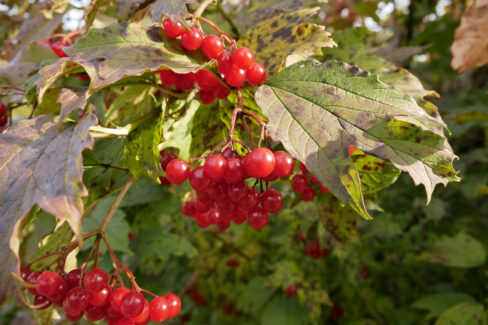
Packed with vitamins and native to North America, cranberries are quickly becoming a favorite “snack fruit” for home gardeners. One of the best things about these little powerhouses? They’re surprisingly low-maintenance. Once you get them settled, they don’t ask for much!
The Perfect Spot
If you want a bumper crop, you’ll want to pick a spot that gets full sun to very light partial shade. Think of it this way: the more sun those berries soak up, the sweeter and more aromatic they’ll be at harvest time. Plus, plenty of sunlight ensures the fruit ripens evenly across the whole bush.
Cranberry bushes are pretty compact, usually topping out at about 8 inches tall. Generally, you can fit four to six plants per square yard, though that depends on the specific variety you choose. Some modern cultivars bred specifically for home gardens grow a bit larger—meaning you’ll need fewer plants to get a great yield, but each individual plant will need a little more elbow room.
Soil Secrets
Cranberries love “wet feet,” which can be a bit tricky when you’re planting them in a sunny spot. To keep the soil from drying out under the sun, your best friend is a thick layer of mulch. As for the soil itself, it should be loose, well-draining, and rich in nutrients.
If you’re dealing with heavy clay soil, it will hold moisture well, but it also runs the risk of becoming waterlogged, which can lead to root rot. If that sounds like your yard, try creating a drainage layer of coarse stones or gravel at the bottom of your planting hole before adding your soil. If your garden soil is already pretty good at holding water, just mix in some high-quality compost to give the plants the nutrient boost they crave.
Getting Them in the Ground
Back in their homeland of the USA, commercial cranberry farmers use a pretty cool method: they flood the fields during harvest! The water creates a vortex that pulls the ripe berries off the vines so they can be skimmed right off the surface.
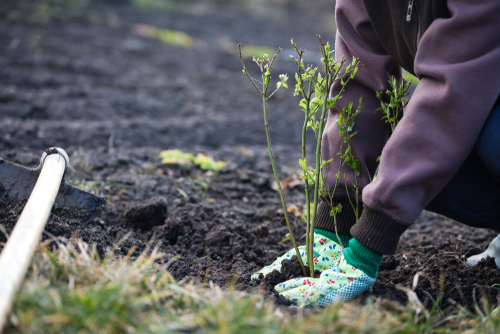
In your backyard, things are a bit simpler. Start by digging a hole about twice the size of the root ball. If your plant looks a little thirsty or the root ball feels dry, give it a good soak in a bucket of water for a few hours before planting.
Set your cranberry bush in the hole, fill it back in with soil, and press down firmly to get rid of air pockets. Since these bushes stay low to the ground, you won’t need to worry about stakes or supports. Just make sure to keep the soil consistently moist for the first few weeks while the roots are getting established. Happy planting!