Native to North America, the cranberry is quickly becoming a favorite in backyard gardens everywhere. They’re actually tougher than many of their berry cousins and tend to produce a much bigger harvest. While big commercial farms have a pretty wild way of gathering them, you can easily get a great harvest at home if you know what to look for.
Flooded Fields
Cranberries are one of the few berries that are actually easy to harvest on an industrial scale. There’s a reason they’re a superstar in the food industry! The way they’re harvested commercially is unique—you won’t see this happening with any other berry, not even with their close relative, the lingonberry.
Usually, berry picking is back-breaking work that requires tons of people picking by hand. But commercial cranberries are harvested using water. This works because of two cool features: the berries have a very tough skin, and their insides are mostly made of air pockets. Those air pockets act like little life jackets, making the berries float. Farmers take advantage of this by simply flooding the fields once the fruit is ripe.
They use machines to create water currents that shake the berries loose from the vines, and the air pockets bring them straight to the surface. The water on these fields can get nearly two feet deep! Once they’re floating, the berries are skimmed off and collected. A nice bonus? The water wash cleans off most of the dirt right then and there.
When to Harvest
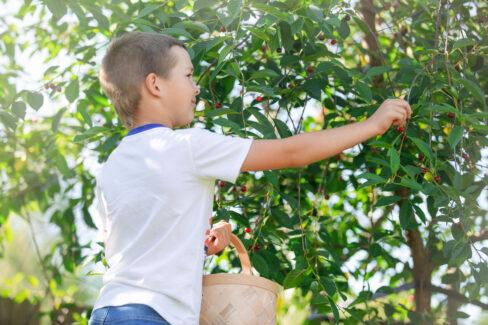
Since most of us aren’t planning to flood our backyards, we usually harvest our garden cranberries by hand. To get that perfect, tart flavor, timing is everything. Here are a few signs that your cranberries are ready for the kitchen:
Check for Ripeness:
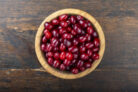
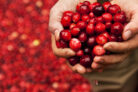
- The skin should be a deep, dark red.
- The berries should feel plump and firm to the touch.
- If you slice one open, the flesh should be red all the way through.
How to Harvest Your Cranberries
Once your berries have reached that perfect stage, it’s time to get picking! Just pluck them gently from the vine—try not to squeeze too hard. You only want to keep the berries that look healthy and undamaged. Keep an eye out for any signs of fungal disease, which can sometimes affect the fruit.
If a berry is affected by fungus, it’ll have a nasty, musty taste even if it looks ripe. Just a few “off” berries can ruin a whole recipe, and unfortunately, that funky flavor doesn’t go away even if you cook the cranberries down into a sauce or jam.