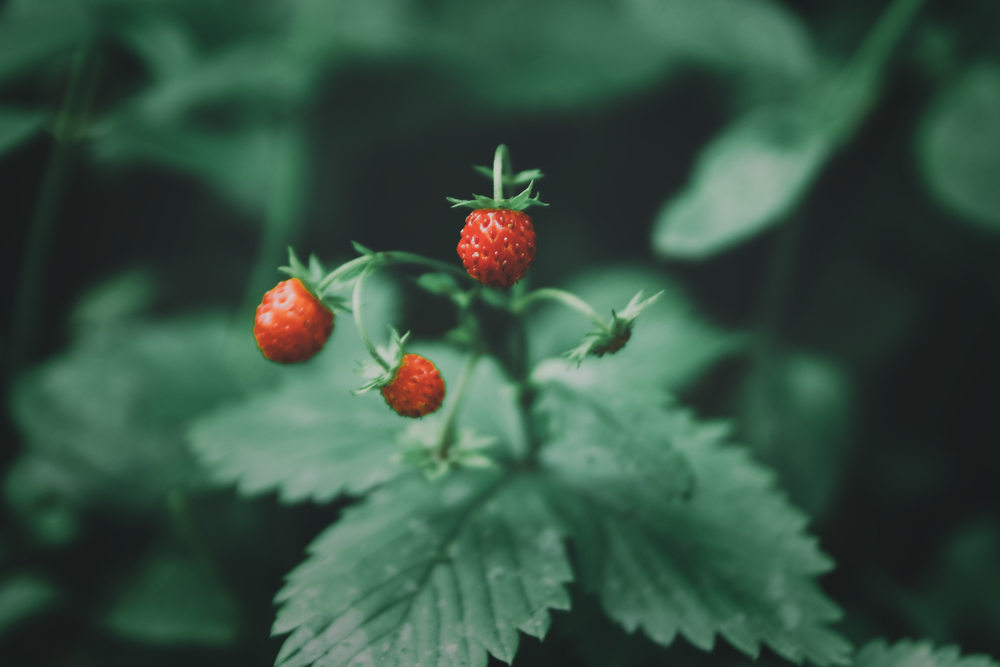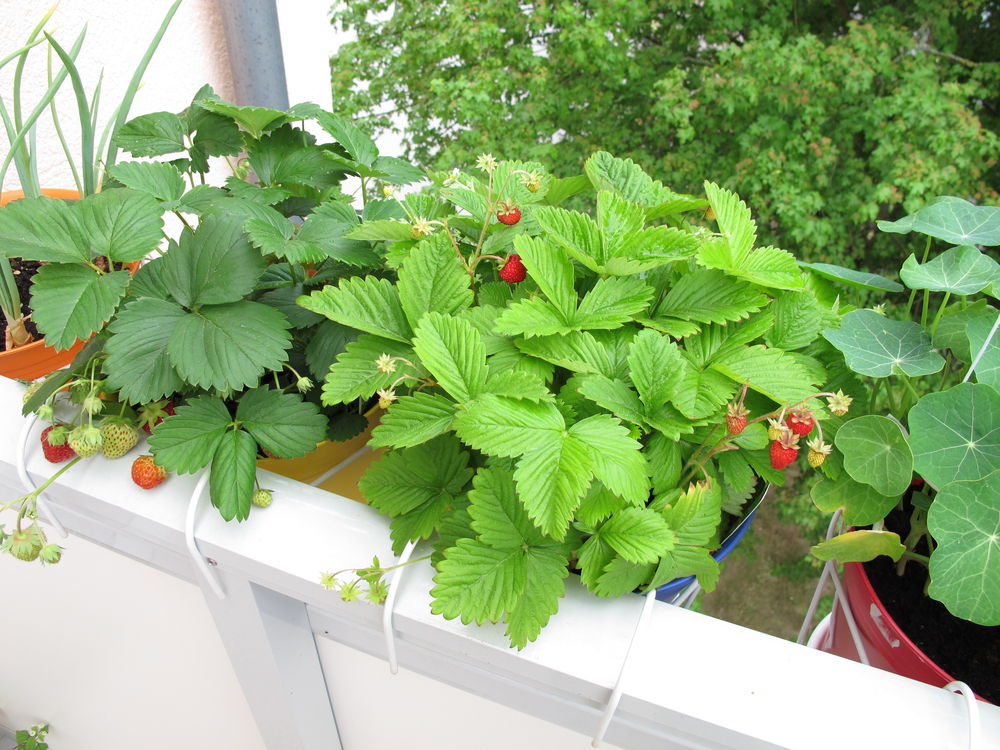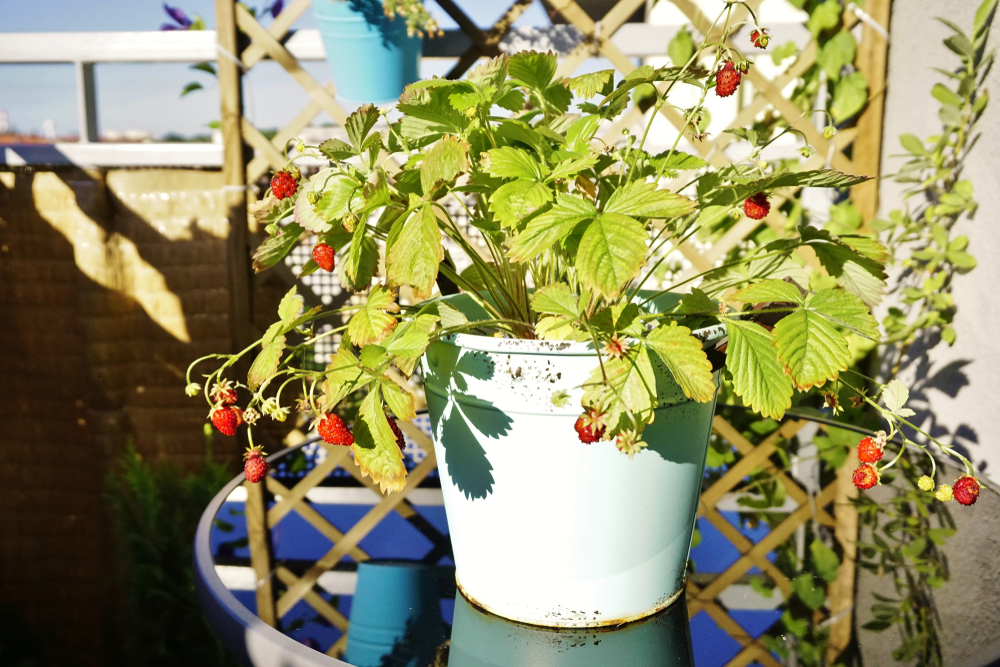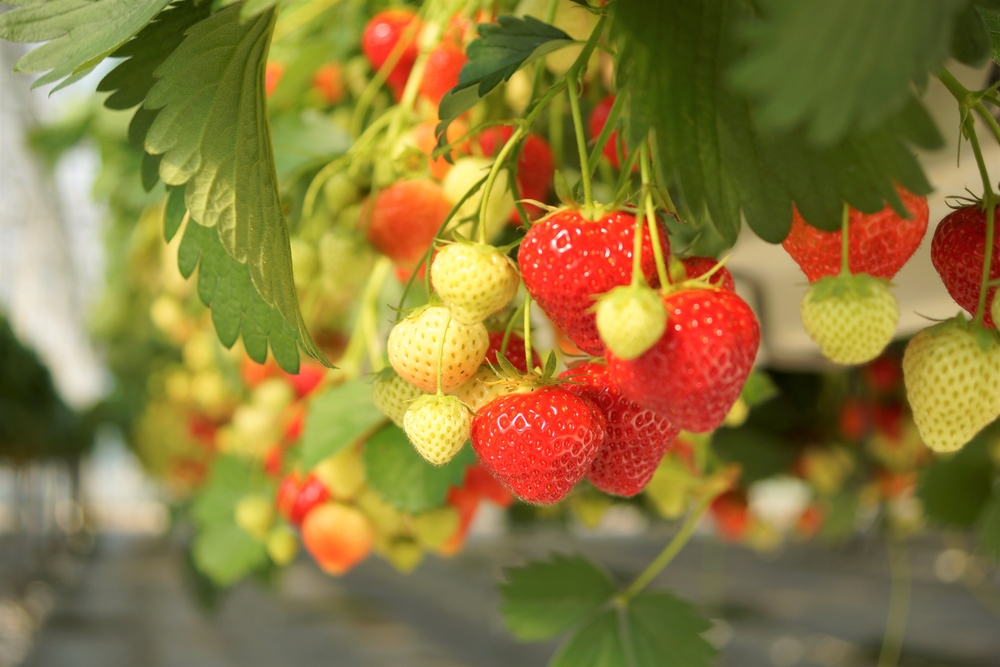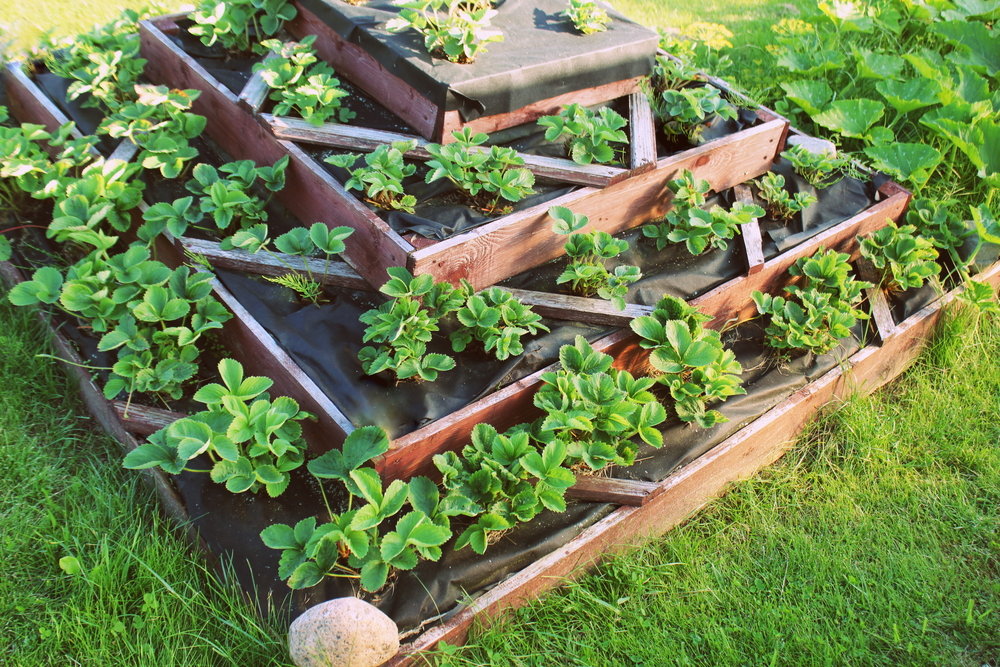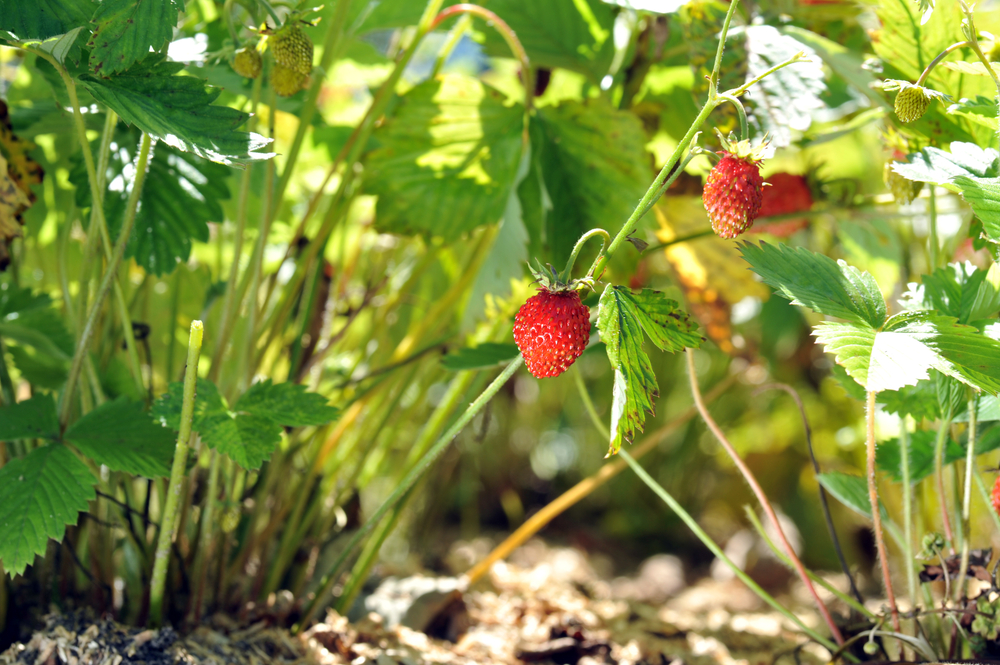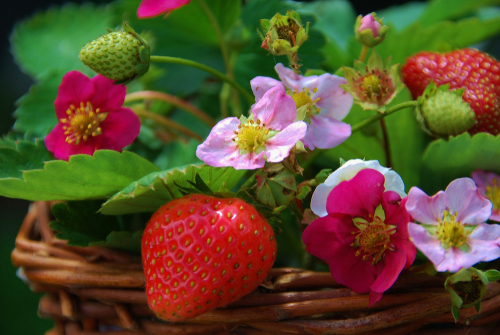
Growing alpine strawberries (often called everbearing strawberries) is becoming a huge trend, and honestly, it’s easy to see why! They’re basically the perfect mashup of a wild forest strawberry and your classic garden variety. The best part? You don’t even need a massive backyard to grow them. These little gems thrive just as well on a balcony or a small patio.
Choosing Your Strawberry Varieties
There are tons of varieties out there, so you’ve got plenty of options. While the berries are smaller than the giant ones you see at the grocery store, the flavor is on a whole different level—they are absolutely delicious. Plus, these plants are tough as nails and will keep pumping out fruit almost non-stop throughout the season.
Here are a few of my personal favorites:
- Hummi Praliné: These produce high-quality red berries with a massive mid-to-late season harvest.
- Ostara: If you want something a bit bigger, this variety produces larger red berries consistently from July all the way through October.
- Merosa: This one is a showstopper with beautiful pink blossoms. It looks amazing in a hanging basket, and the fruit tastes just like wild strawberries.
- Wädenswil: Known for an incredibly intense aroma and an early harvest.
How to Grow Your Own
Just like regular garden strawberries, these guys crave a sunny spot. The more sun they get, the sweeter and more plentiful your harvest will be. Aim for a sunny patch in your garden or a south-facing balcony. They love soil that is rich in organic matter, full of nutrients, and nice and loose. Pro tip: Prep your soil at least two weeks before planting to let it settle.
Mix in some compost and organic fertilizer (like horn meal) and give it a good fluffing. If you’re growing them in pots, drainage is key! You don’t want your plants getting “wet feet,” so add a layer of gravel, broken pottery, or small twigs at the bottom of the container. I also highly recommend mulching with straw or bark. This keeps the soil warm and moist while keeping your berries clean and off the damp ground.
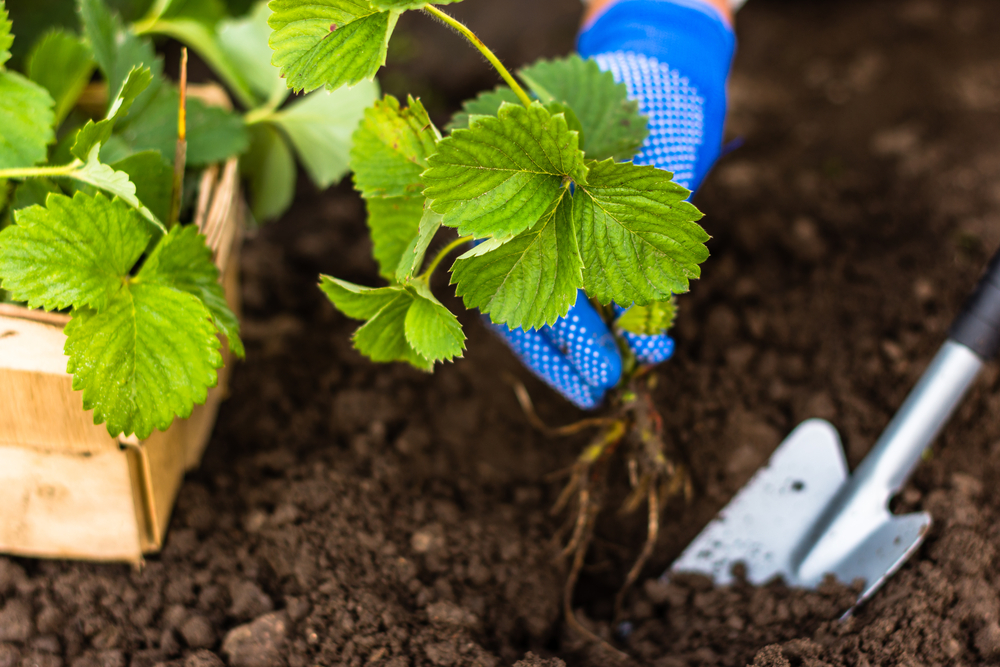
When planting, make sure the “crown” (the little nub where the leaves meet the roots) is sitting just above the soil line—don’t bury it too deep! Space them about 8 to 10 inches apart. When winter rolls around, give them a cozy layer of straw or brush for protection. If yours are in pots, move them onto an insulated surface (like a wooden pallet) and wrap the container in bubble wrap or garden fleece to keep the roots from freezing.