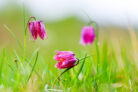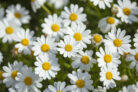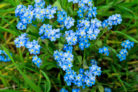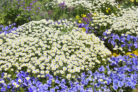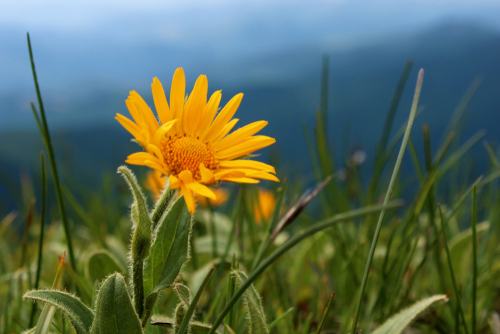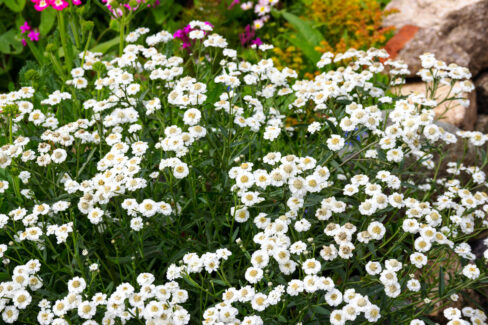
Daisies have been making a huge comeback in home gardens lately, and honestly, I’m here for it! Whether they’re popping up in your lawn or tucked into a flower bed, these little guys just radiate cheerfulness. Plus, they look absolutely charming in balcony planters with their airy vibe and nonstop blooms.
Buying Seeds
You can find daisy seeds at pretty much any local garden center or online shop. Usually, you’ll run into three main types:
- Common Lawn Daisies (the classic wild look)
- Cultivated varieties of the Common Daisy (often fluffier or larger)
- Swan River Daisies (the blue variety)
Harvesting Your Own Seeds
If you already have wild daisies growing in your yard, you can propagate them the easy way without spending a dime:
- Pick the flowers just as they start to wilt.
- Scatter the flower heads (stems and all) over the area where you want new ones to grow.
After that, just let nature do its thing! These pretty meadow flowers are great at “self-planting” once they get a foothold.
Sowing in the Garden
When planting in a lawn, “broadcasting” is the way to go. The best trick is to mow your grass short first, then scatter the seeds with a gentle flick of the wrist. Since the seeds are tiny and super light, try mixing them with a little bit of sand. It gives you more “bulk” to hold onto so you can spread them more evenly.
If you’re adding *Bellis perennis* to a garden bed, the process is pretty much the same—just be a bit more precise with where you’re aiming. One important tip: daisies are “light germinators,” meaning they need sunlight to sprout. Don’t bury them under soil! If you’re worried about birds snacking on your seeds, just toss a fine mesh net over the area.
Sowing in Pots
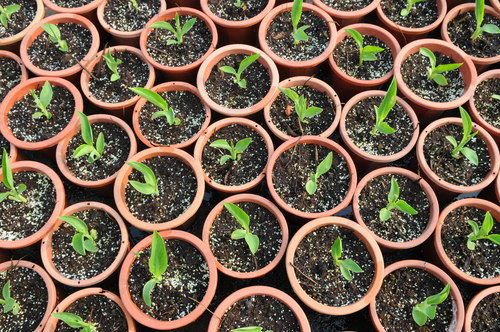
How many seeds you’ll need for your balcony planters depends on the size of the pot. A good rule of thumb is to aim for about an inch of space between seeds. Once they sprout and grow into little seedlings, you can thin them out or move them into their own individual pots (a process we gardeners call “pricking out”).
This usually takes about two to three weeks. During this time, keep your potted seeds in a bright spot at around 65°F (18°C). Make sure the soil stays moist—don’t let it bone dry out!
Timing
The sweet spot for sowing is between March and June. However, you can also do a late-summer planting in August or September. Just keep in mind that no matter when you sow them, the real bloom show won’t start until the following year.
Other Daisy Varieties
If you’re planting Blue Daisies (Swan River) or Spanish Daisies, remember that they aren’t frost-hardy. You’ll want to wait until mid-May—once the threat of frost has totally passed—to sow them outside. Other than their sensitivity to cold, you can treat them exactly like the classic varieties when it comes to planting and care.