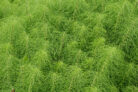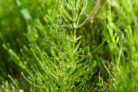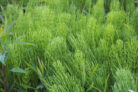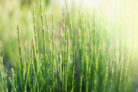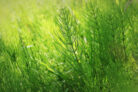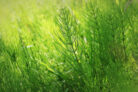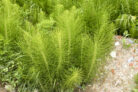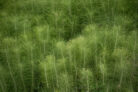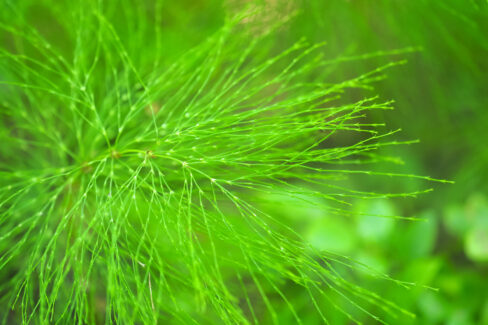
Horsetail (Equisetum arvense) is truly a living fossil—it’s one of the oldest plants on the planet! With its unique, slightly prehistoric look, this spore-producing plant is actually a relative of the fern. Back in the day, people used its silica-rich stems to scrub down pewter mugs and tinware, which is why you’ll often hear it called “Shavegrass” or “Pewterwort.”
Choose Your Spot Wisely
When it comes to picking a spot, horsetail isn’t too picky about sun versus light shade. What really matters is the soil. If your garden has dry, loose, or sandy soil, horsetail probably won’t be very happy. This plant craves moisture and thrives in heavy, clay-like ground.
One word of caution before you start digging: horsetail is a survivor. Once it gets settled, it’s notoriously difficult to remove. If you want to keep it from taking over your entire yard, I highly recommend planting it in a large container or installing a sturdy root barrier (rhizome barrier) to keep its wandering roots in check.
Prepping the Soil
To help your horsetail really flourish, look for a spot with damp, heavy soil and a slightly acidic pH. The best part? You don’t need to do much prep work. If the conditions are right (meaning wet and heavy), horsetail will make itself at home and start spreading before you know it.
Getting It in the Ground
Here’s a tip that goes against most gardening advice: skip the compost! Unlike your veggies or flowers, horsetail actually prefers “lean” or nutrient-poor soil. Adding compost can actually make it harder for the plant to get established. However, do give it a very thorough watering right after planting—this plant is a total water-lover.
Does Horsetail Bloom?
If you’re waiting for colorful petals, you’ll be waiting a long time. Horsetail doesn’t have a blooming season because it doesn’t produce flowers at all. Instead, it sends up specialized fertile stalks in the spring that release spores. Between those spores and its fast-growing underground roots, it handles multiplication all on its own.
How to Use Horsetail in Your Garden
Horsetail is a secret weapon for organic gardeners. It’s fantastic for natural pest control and boosting the health of your other plants. You can brew a “horsetail tea” or decoction and use it as a spray for your roses. It works wonders if they’re struggling with aphids or fungal issues like powdery mildew.
Quick Summary:
- It grows in shade but prefers sunny spots.
- It’s an “indicator plant” for wet, poorly drained soil.
- Use a root barrier or pots to prevent it from spreading uncontrollably.
- Never fertilize it—not during planting, and not later on!
- Keep the soil consistently moist.
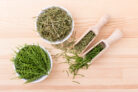
Pro Tip: Horsetail is super easy to dry out so you can save it for making garden sprays later in the season!