The ivy family has some seriously gorgeous varieties that make fantastic houseplants. Of course, living in a pot is a bit different than growing wild outdoors, but don’t let that intimidate you! Having the right info is half the battle—so let’s dive in.
Choosing the Right Ivy and the Perfect Spot
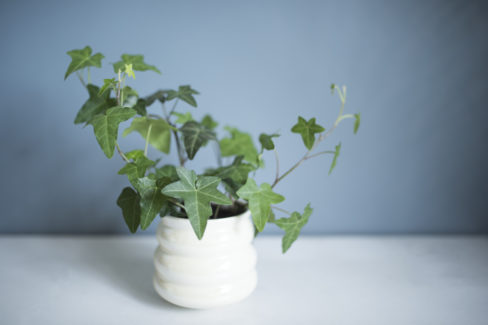
Technically, you can grow almost any variety indoors, but a quick heads-up: ivy is toxic, so keep it out of reach if you have little ones or curious pets. Classic green English ivy is a shade-lover, making it a great pick for a dim hallway. However, the variegated (multi-colored) varieties are way more popular for indoors. Not only do they look decorative, but they also love a bright, sunny spot in the living room. In fact, they need about four hours of morning or evening sun to keep those beautiful leaf patterns vibrant. Just avoid harsh, direct midday sun, or you’ll end up with yellow leaves.
Pro Tip:
If you put ivy in your bedroom, you might actually sleep better! It’s a natural air purifier that helps filter out toxins and even reduces mold spores in the air.
Ivy Loves Humidity
Ivy (botanically known as *Hedera*) thrives in humid air, which is why it absolutely loves a bright bathroom. But it’ll do just fine in other rooms too, as long as you keep it hydrated. Here’s the trick to getting the watering right:
- Keep the soil consistently moist.
- Water it as soon as the top layer of soil feels dry.
- Avoid “wet feet” (standing water).
- Use pots with plenty of drainage holes.
- Empty any leftover water from the saucer right away.
- Use lukewarm water—it’s much gentler on the roots than cold tap water.
Don’t Forget the Fertilizer
Outdoors, ivy is pretty self-sufficient, but indoors it needs a little boost. Between March and September, give it some liquid fertilizer every two weeks. To keep the growth tight and healthy (and avoid “leggy” stems), I recommend using a slightly lower dose than what’s listed on the bottle.
Pruning for a Happy Plant
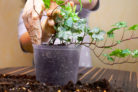
Ivy is incredibly resilient when it comes to pruning, so feel free to trim it back several times a year to keep it shaped. You can even train a young plant into a decorative bonsai!
Bonus: You can use those trimmings to propagate new plants. Just take some slightly woody cuttings and start your own little ivy nursery.
Repotting and Winter Care
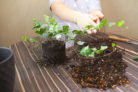
Once a year in the spring, you should repot your ivy into fresh soil. Since new potting mix is usually loaded with nutrients, hold off on fertilizing for a few weeks afterward.
During the winter, keep your ivy away from hot radiators. Dry heater air is the enemy—it causes brown leaves or brown spots and makes the plant vulnerable to diseases and pests like aphids or spider mites.