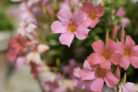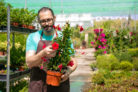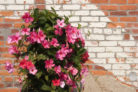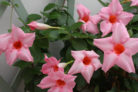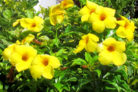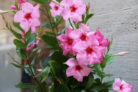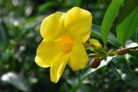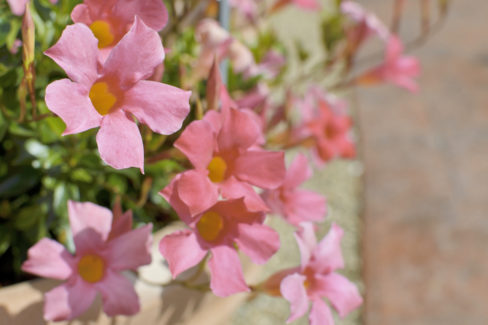
Dipladenia (also known as Mandevilla) has quickly become one of the most popular choices for summer balconies and patios. It’s easy to see why—those stunning, trumpet-shaped blooms are absolute showstoppers! However, if you want your plant to reach its full flowering potential, you’ve got to keep it happy with the right spot and a little TLC.
Location
Dipladenias are true heat-seekers. They handle summer temperatures beautifully, and they really start to thrive once the thermometer hits about 70°F (20°C). But don’t confuse “heat-loving” with “sun-scorched.” While they love light, some varieties can be a bit sensitive to the intense, direct midday sun.
The sweet spot for a location is somewhere with plenty of bright light, but protected from that harsh afternoon glare. It’s also a good idea to keep your Mandevilla tucked away from heavy wind and rain.
They can handle partial shade if it’s warm enough, but keep in mind that less light usually means fewer flowers.
Growth Habits and Placement
When choosing a spot, you also need to consider how your specific variety likes to grow. These plants come in a few different “styles”:
- Climbing varieties (can reach up to 15 feet!): Perfect for trellises, privacy screens, or hanging baskets.
- Mid-sized varieties (up to 3 feet): These grow in a pillar shape and usually don’t need extra support.
- Compact varieties (up to 14 inches): Ideal for window boxes, garden beds, or small pots.
You’ll often see Mandevilla sold in decorative shapes, like:
- Pyramids
- Hearts
Since these are naturally vining plants, just remember that you’ll need to do a little pruning or “vine-guiding” to keep those shapes looking sharp.
Watering
Mandevilla is actually pretty chill when it comes to water. It can handle short dry spells because it stores water in its leaves and roots. That said, for the best results, try to water regularly so the root ball stays consistently moist. This keeps the plant happy and ensures the roots can pump enough hydration to all those leaves and blossoms.
Just be careful not to overdo it—they absolutely hate “wet feet” (standing water). Pro tip: Dipladenias prefer lukewarm water, and if you can use rainwater or filtered water (low lime content), they’ll love you for it!
Fertilizing
To keep those blooms coming all season long, your Mandevilla is going to need some extra fuel. I recommend fertilizing once a week with a high-quality liquid fertilizer designed for flowering container plants.
Overwintering
Keep in mind that Mandevilla is a tropical beauty. Most varieties start to struggle once temperatures drop to around 45°F (8°C). If you want to keep yours for next year, you’ll need to move it to a cozy indoor spot for the winter before the first cold snap hits.