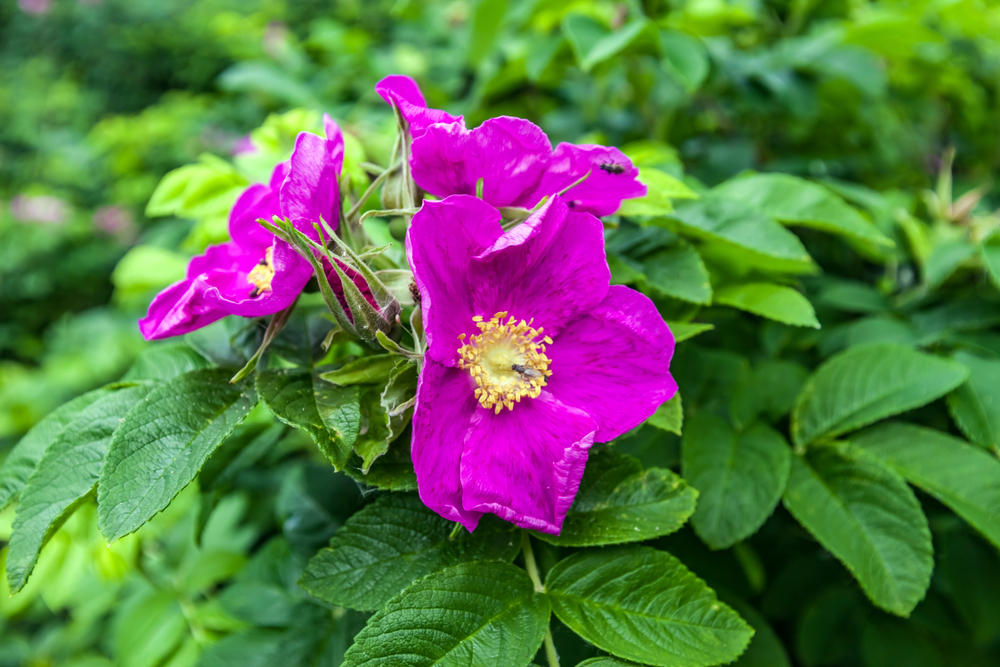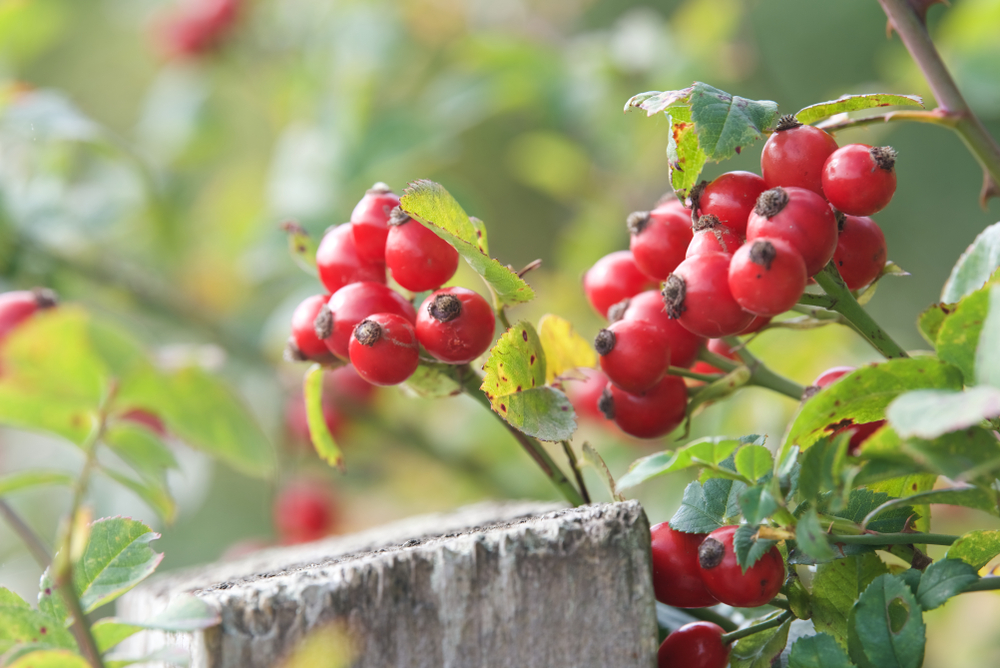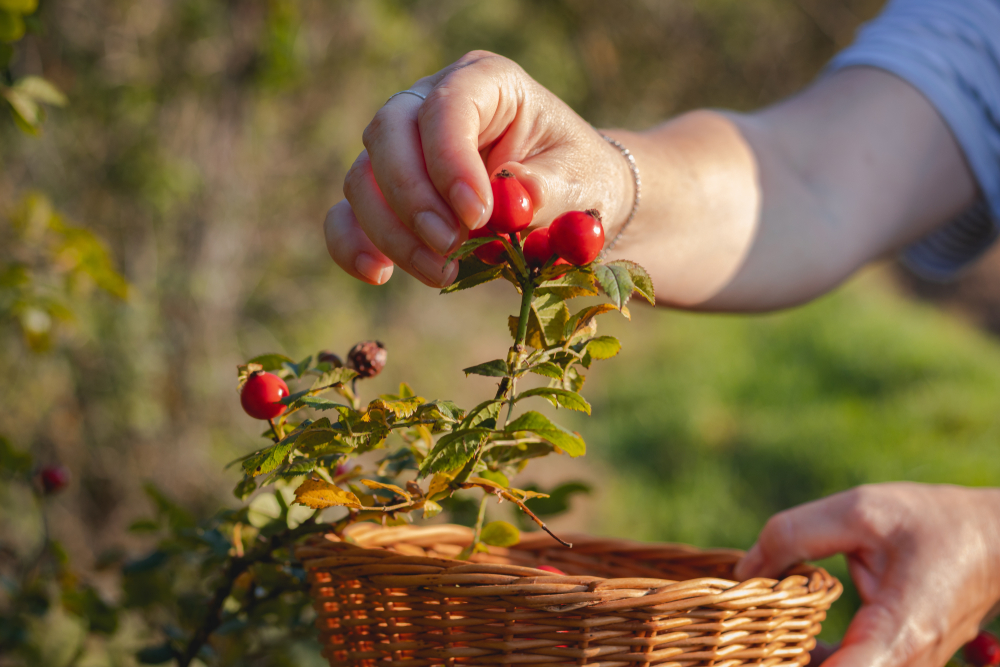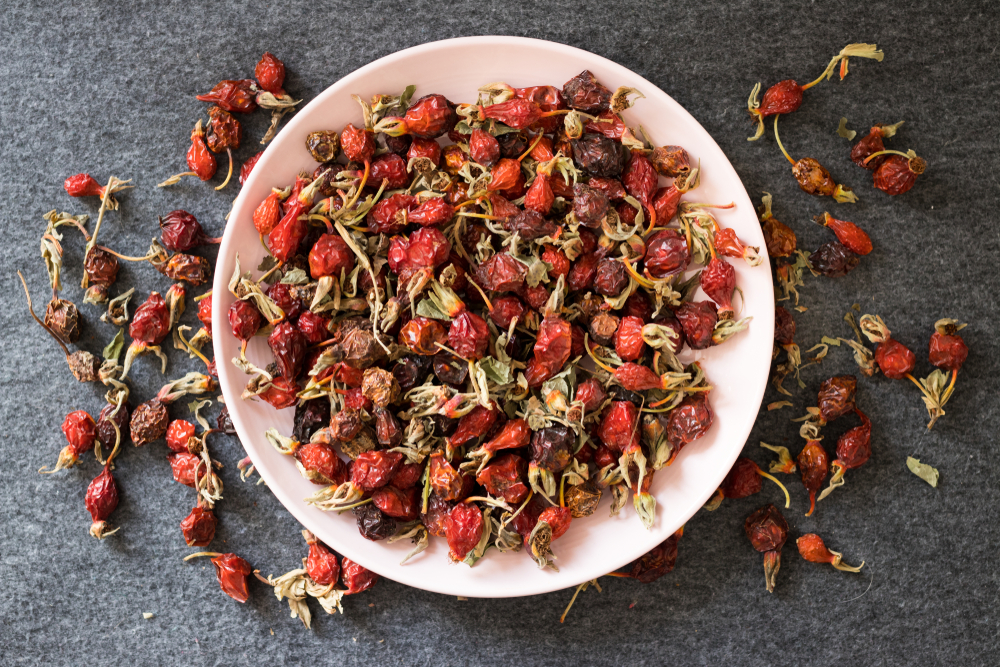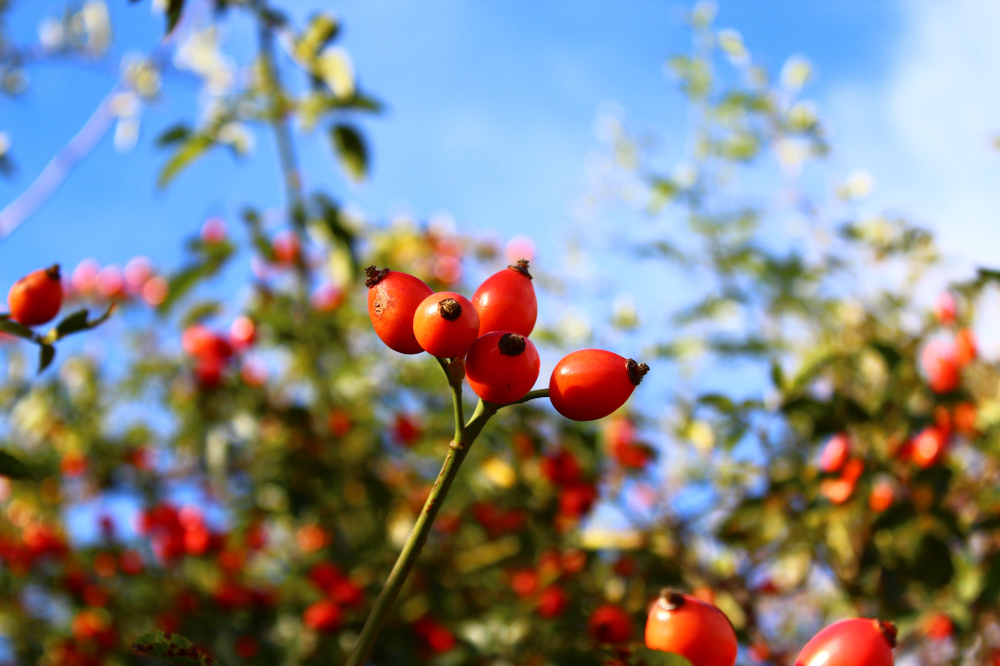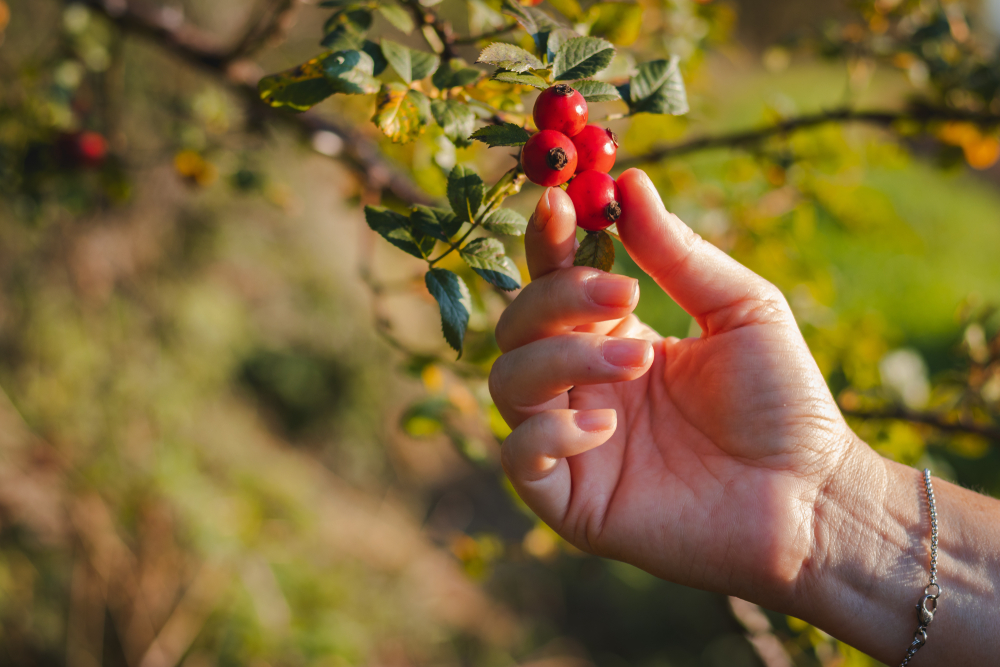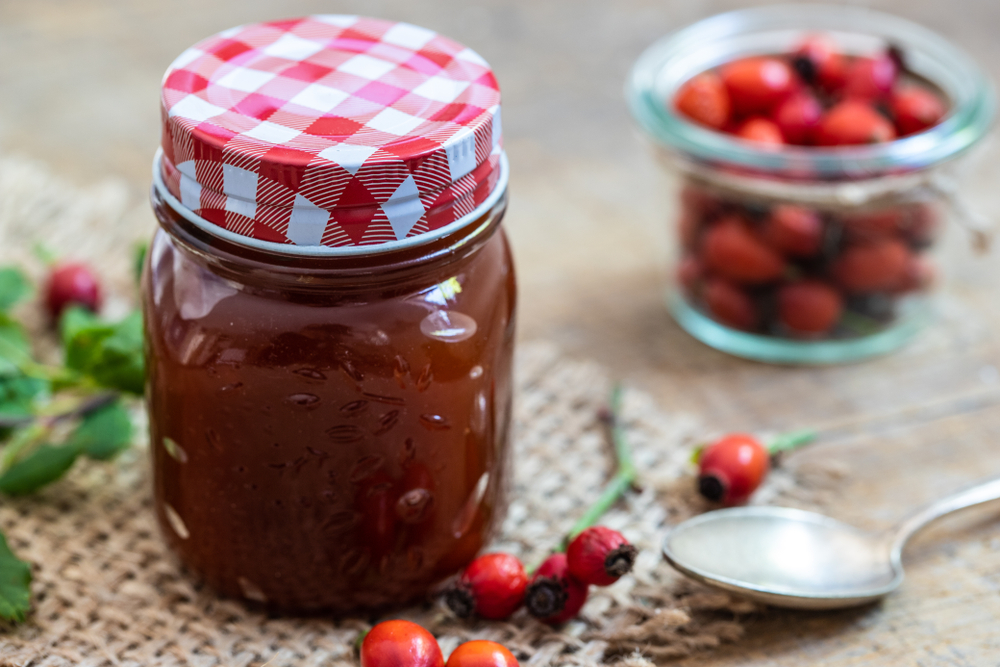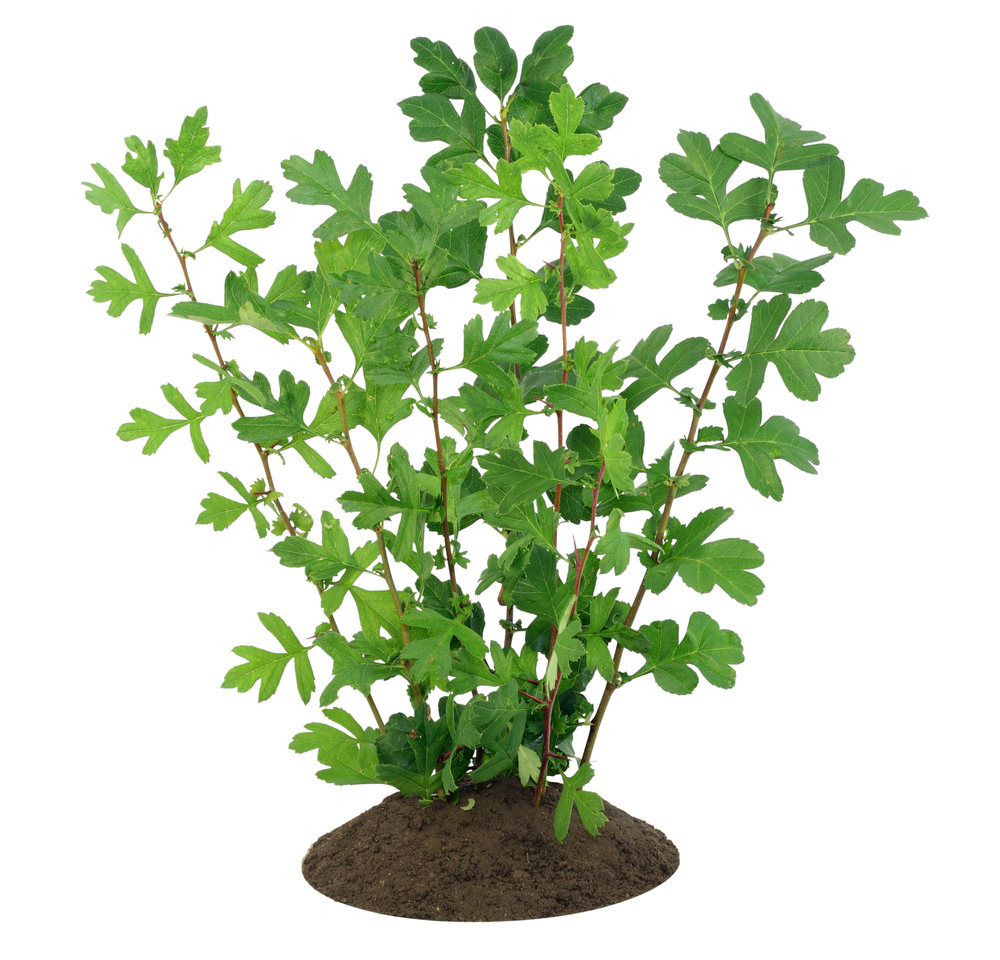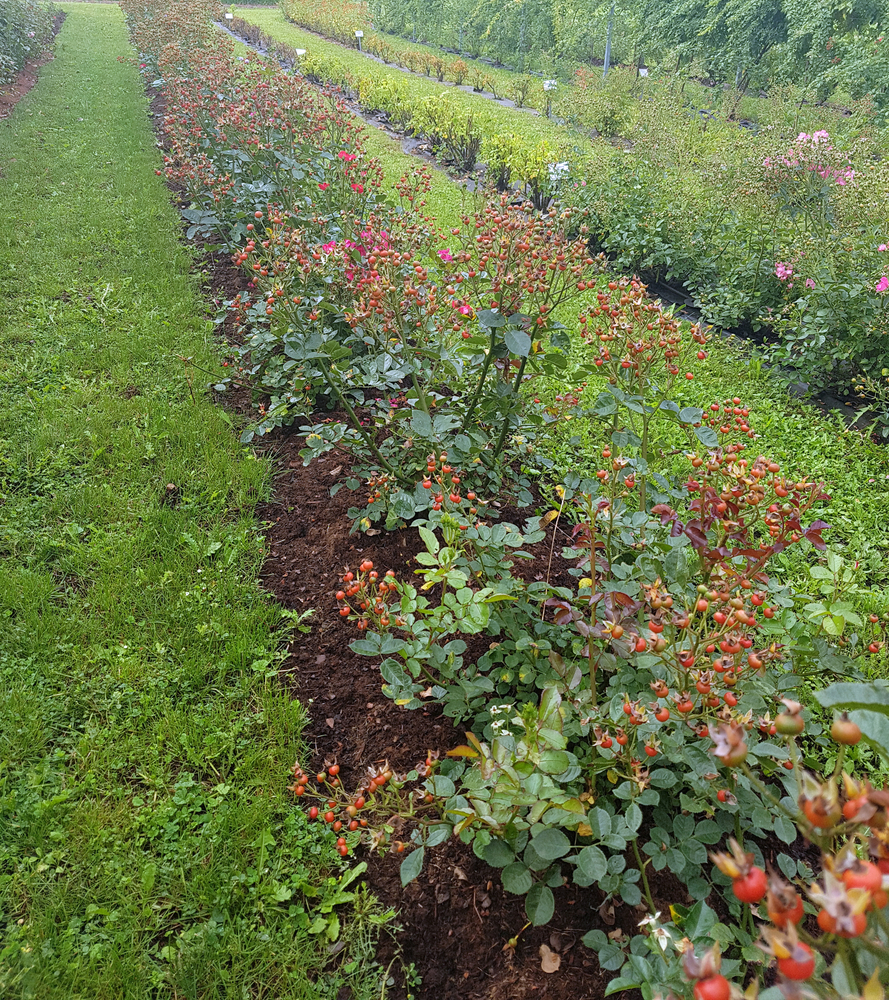
Thinking about planting rose hips so you can enjoy an endless supply of fruit and those gorgeous blooms? I’ve rounded up all the essential tips you need to get started right here.
For a Big Harvest, Pick the Right Variety
If you’re looking to harvest a bumper crop the year after planting, your choice of variety is key. While wild Dog Roses (*Rosa canina*) or Beach Roses (*Rosa rugosa*) are classics, they aren’t always the best fit for home gardens because their harvest can be a bit thin. Instead, there are several cultivated varieties that are absolute rockstars in a backyard setting:
- Hybrid Tea Rose ‘Johann Strauß’ (*Rosa odorata* ‘Johann Strauß’)
- Musk Rose ‘Puccini’ (*Rosa moschata* ‘Puccini’)
- Musk Rose ‘Wilhelm’ (*Rosa moschata* ‘Wilhelm’)
- Shrub Rose ‘Snow Star’ (*Rosa* ‘Snow Star’)
- Shrub Rose ‘Juanito’ (*Rosa* ‘Juanito’)
- Mandarin Rose (*Rosa moyesii*)
If you’re working with a smaller space, the low-growing shrub roses are your best bet. If you want maximum fruit production, ‘Johann Strauß’ and ‘Puccini’ are the heavy hitters. You can certainly grow wild roses, but keep in mind they take up a ton of room and don’t produce nearly as much fruit. The varieties listed above were bred to bloom prolifically, which naturally leads to a massive amount of rose hips.
Timing is Everything
Once your seedlings have established themselves after propagation, you’ll need to pick the right window to move them outside. Fall is the ideal time for planting because the young plants are sturdy enough by then. The same rule applies if you’re starting with potted roses from a nursery.
Soil and Location
The great news is that roses aren’t particularly picky about their soil. Here’s what they’re looking for:
- Chalky or lime-rich soil
- Lots of sunshine (they love it!)
- Partial shade is okay, but only if the spot faces south or west
- Spacing: Give them about 5 feet (1.5 m) of room
One pro tip: avoid planting them under low-hanging trees or roof overhangs. These beauties can grow up to 10 feet (3 m) tall and need the head space!
How to Plant Your Rose Hips
First, loosen up the soil at your chosen site and mix in some mineral fertilizer, compost, or well-rotted manure. This gives your plants the nutrient boost they need to thrive. Dig a hole, set the plant in, and backfill with soil. Don’t worry about being too delicate—roses are surprisingly tough! Give them a good, deep watering, and you’re all set.