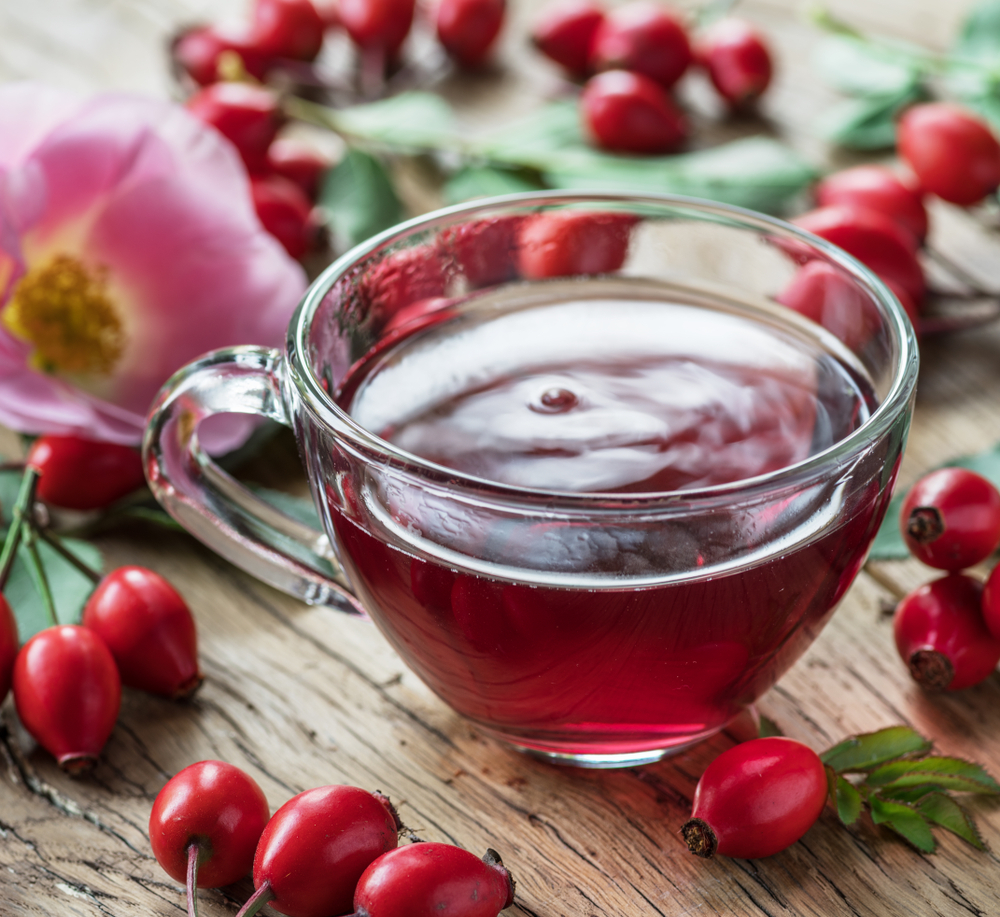
If you’ve had a bumper crop of rose hips this year, drying them is hands-down the best way to make that harvest last. It’s a super simple way to preserve them so you can whip up homegrown tea, boost your smoothies, or even put together some rustic fall decor.
Getting Ready: Harvesting and Prepping
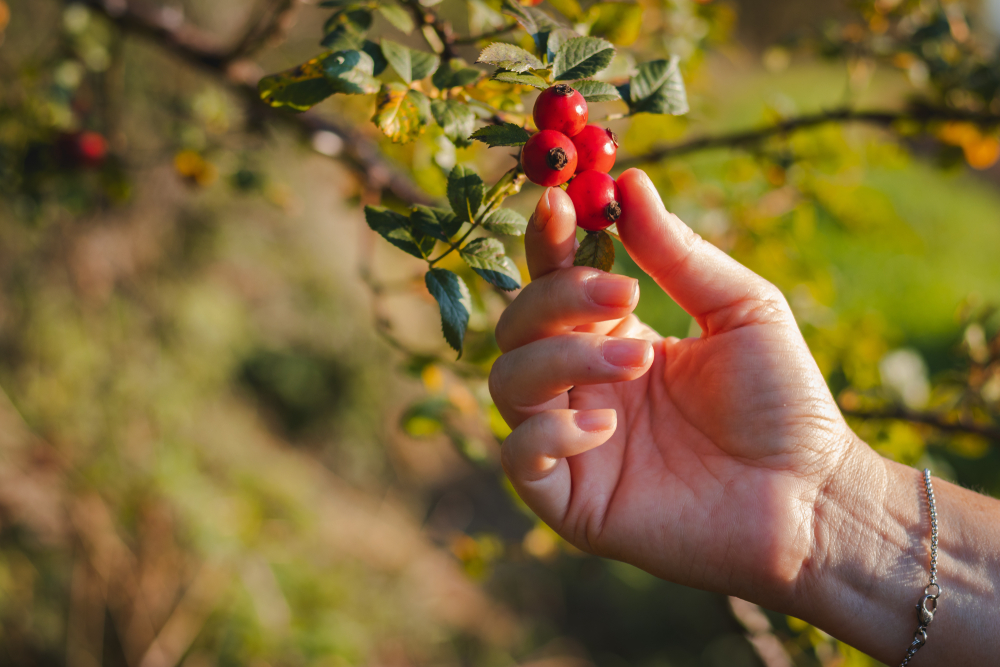
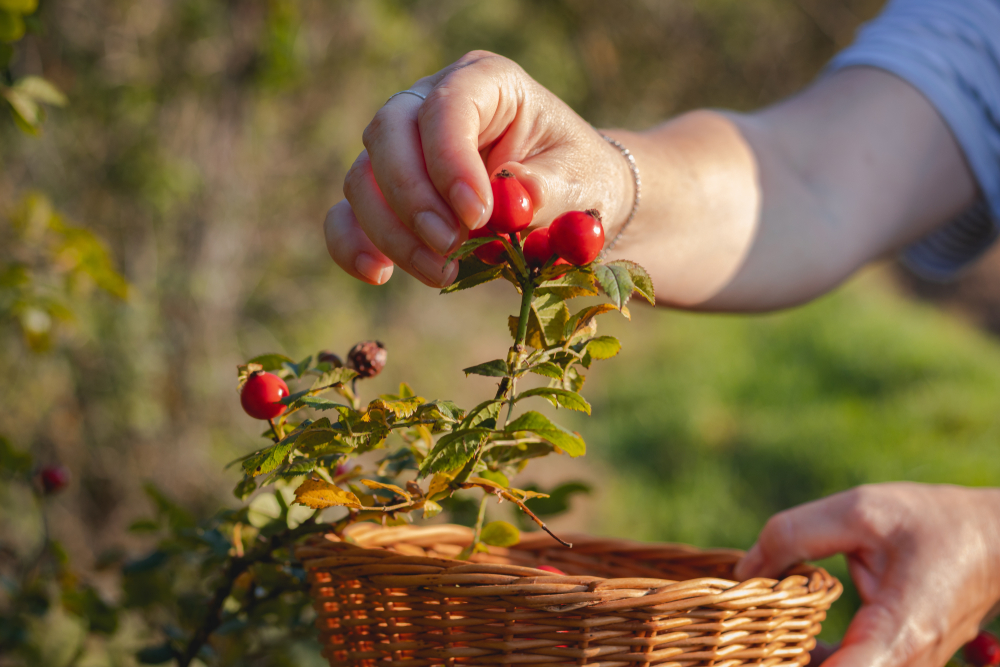
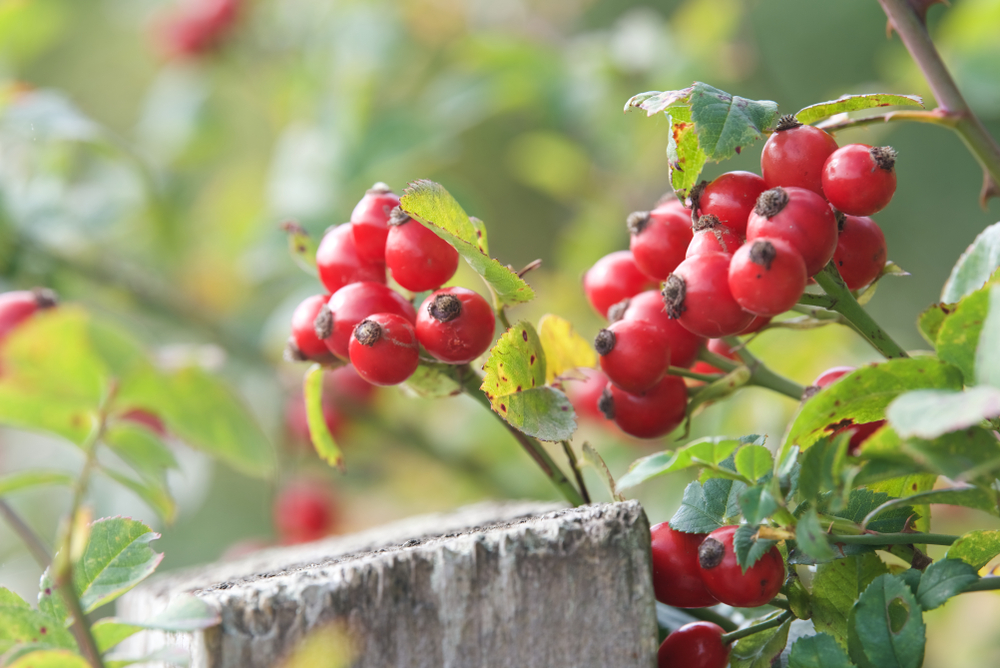
The secret to great dried rose hips is all in the timing of your harvest. If you aren’t planning on making jam right away, I recommend waiting until late October or early November. By then, the fruits have developed a lovely balance of sweetness and tang, and they’re just the right texture for drying. Pro tip: wear a sturdy pair of gardening gloves—those thorns don’t mess around!
Now, do you need to de-seed them? Only if you plan on eating them or using them in recipes. If they’re strictly for tea or infusions, you can leave the seeds right where they are. But if you want to use them for snacks or cooking, here’s the drill:
- Grab a sharp paring knife.
- Give the rose hips a good wash.
- Pat them completely dry.
- Slice them lengthwise.
- Scoop out the seeds with a small spoon.
- Wear dish gloves! The tiny hairs inside rose hips are basically nature’s itching powder, and your hands will thank you.
Once the seeds are out, make sure the pieces are halved or chopped. This smaller size helps them dry out much faster and more evenly.
How to Dry Your Rose Hips
One of the coolest things about drying rose hips is that you’re locking in all that goodness. Since you aren’t boiling them, you keep a huge amount of that Vitamin C intact. Once your fruit is prepped and dry to the touch, you can use one of these methods:
- A food dehydrator
- Your kitchen oven
- A warm radiator
The golden rule here is to keep the temperature at or below 100°F (40°C). Anything hotter and you’ll start losing those precious vitamins. Spread your rose hips out in a single layer on parchment paper or newspaper. If you’re using the oven, prop the door open just a crack with a wooden spoon—this lets the moisture escape and prevents them from getting mushy or moldy.
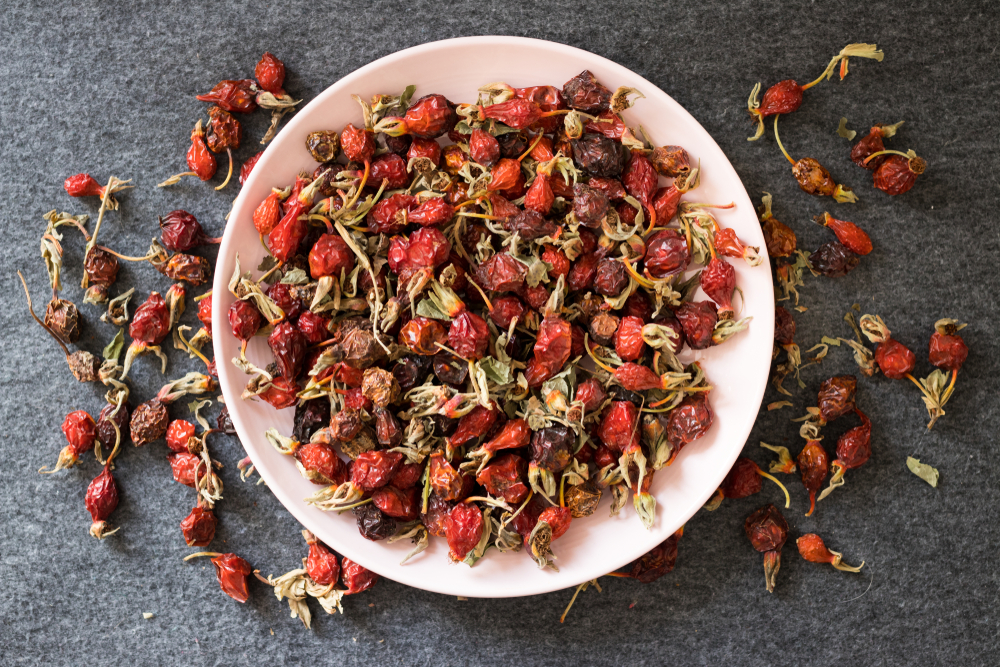
If you aren’t in a rush, you can just spread them out on a table in a well-ventilated room. The time it takes really depends on the humidity in your house. You want them to be bone-dry so they don’t spoil later, but feel free to experiment with different “levels” of dryness to see which flavor profile you like best for your tea.
Storing Your Harvest
Once they’re nice and crispy, move them into airtight containers. Glass Mason jars are my personal favorite, but any container with a tight seal works. Stored this way in a cool, dark place, your rose hips will stay fresh and flavorful for over a year!