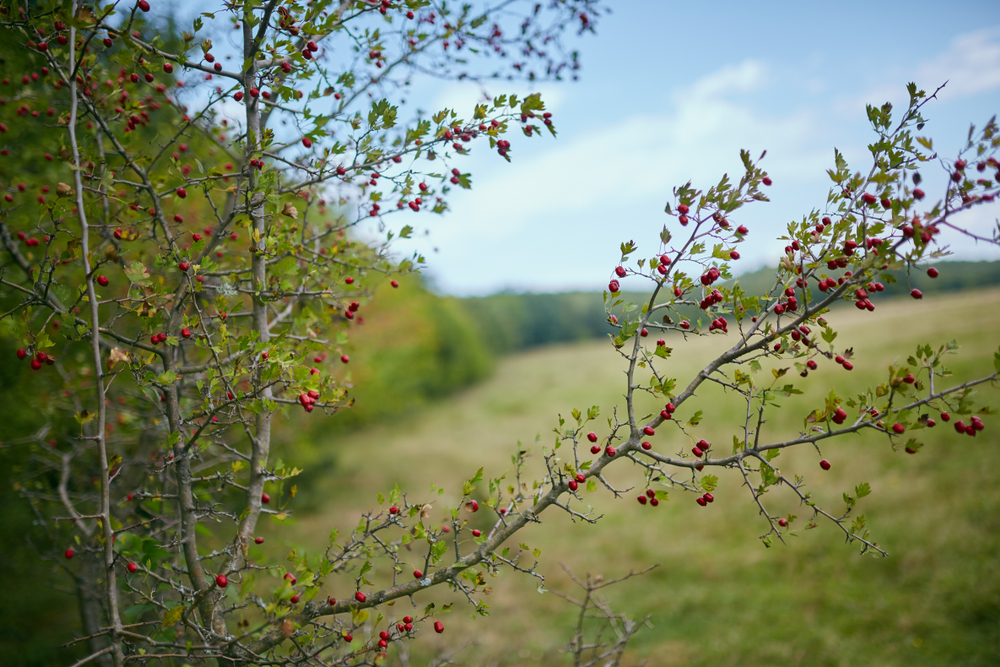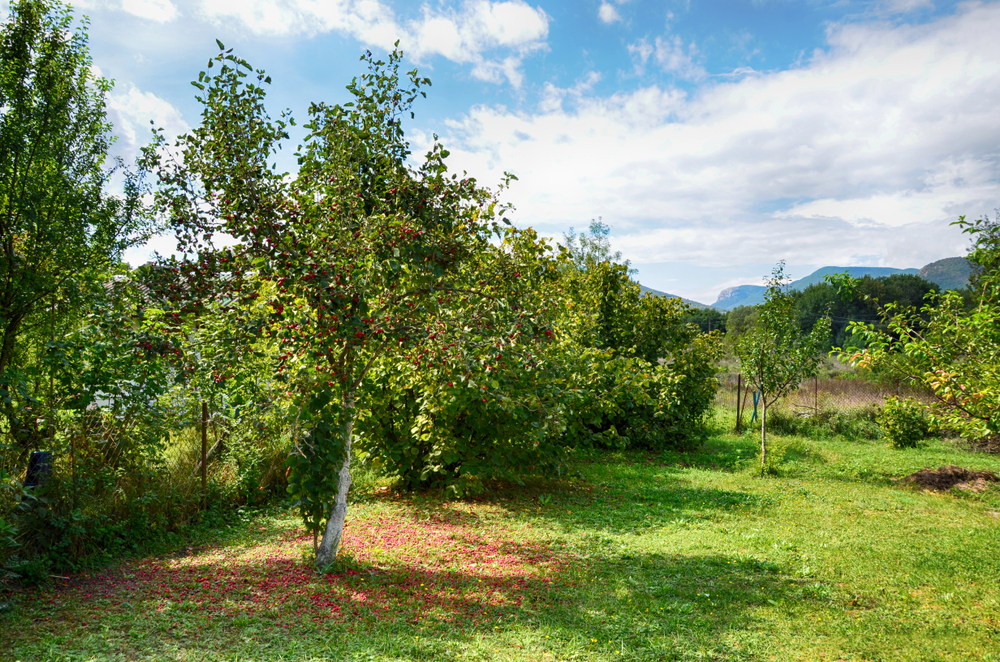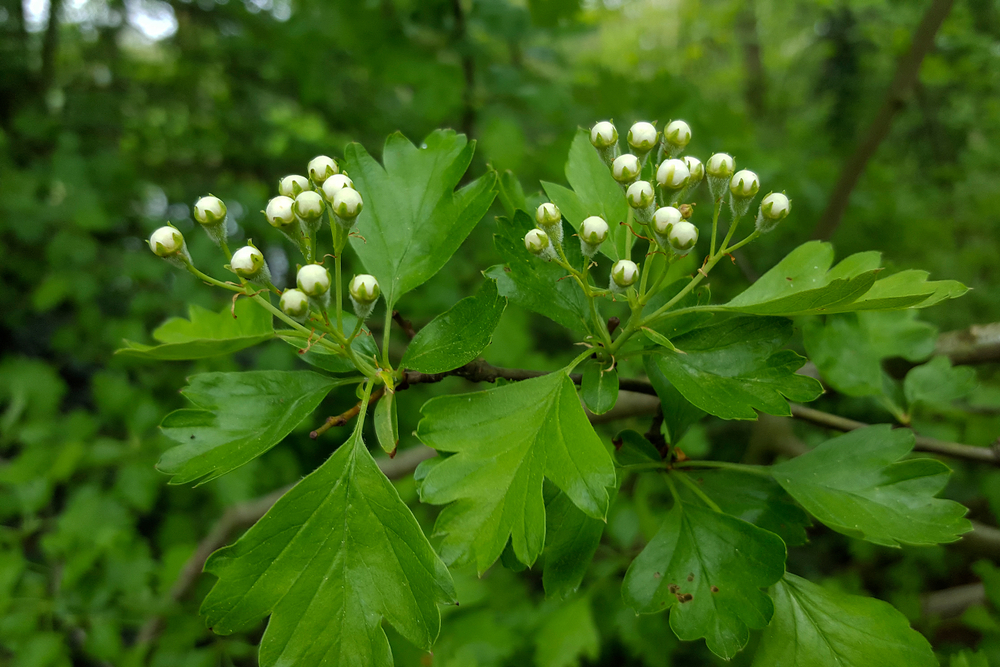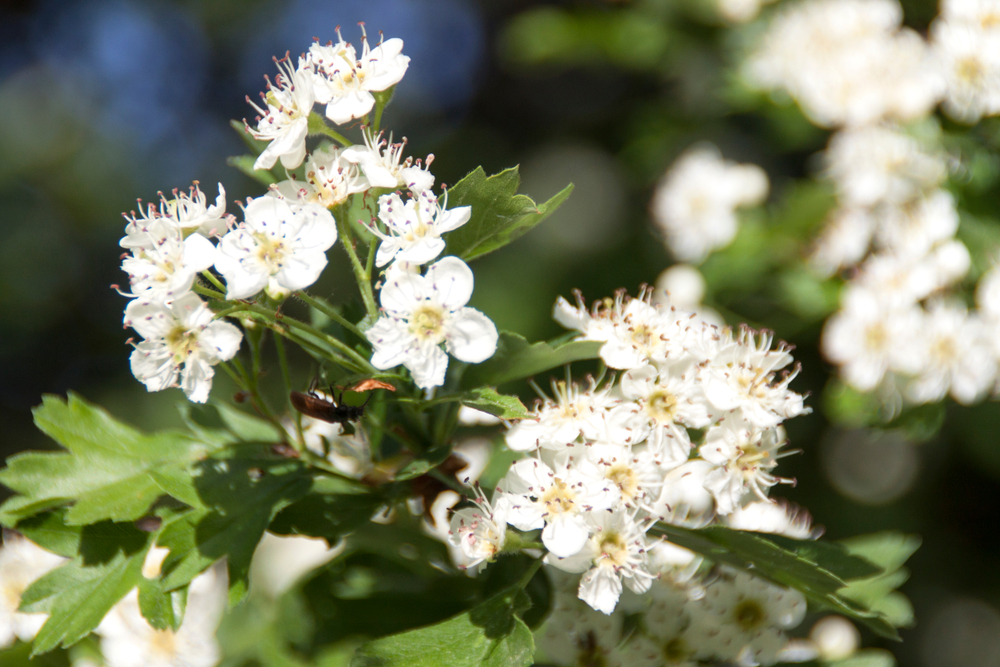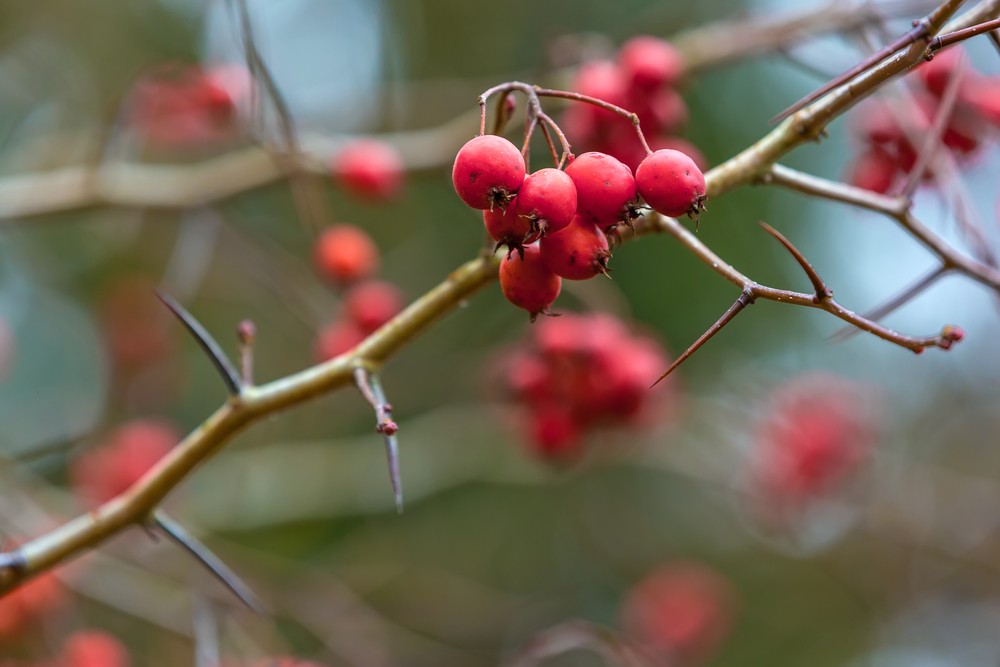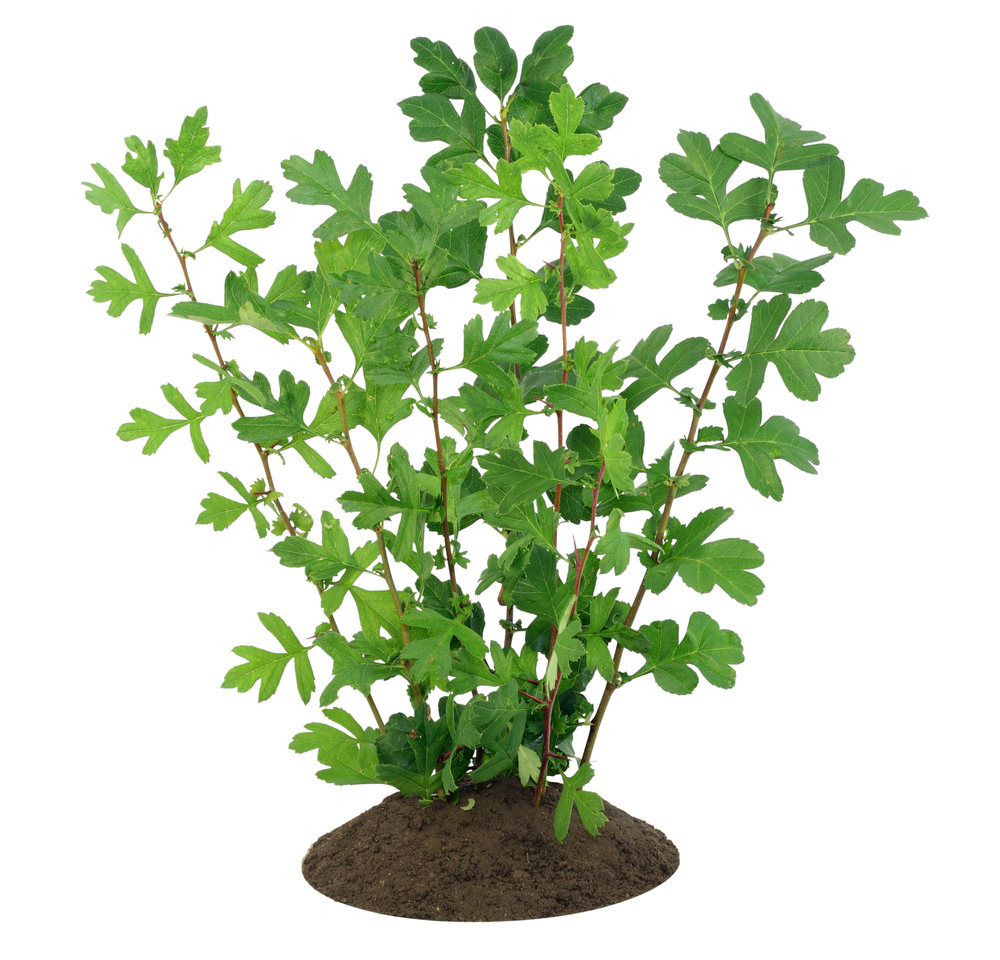
Hawthorn is a stunning ornamental shrub that doubles as a fantastic hedge plant. With its delicate white blossoms and vibrant red berries, it’s a real showstopper in any yard. The best part? It’s incredibly low-maintenance and a breeze to plant.
The Best Time to Plant
First things first, you’ll want to pick the perfect spot for your hawthorn—check out our dedicated article on that for the full scoop. When hawthorn is first starting out, it needs a lot of energy to get those roots firmly established in the soil. That’s why I recommend planting your shrub in the fall. This allows the plant to focus all its strength on building a solid root system rather than trying to produce flowers and fruit at the same time.
September is usually the “sweet spot” for planting. By then, the blooming season is over, but the first frost is still a ways off. Even though hawthorn is famous for being winter-hardy and tough against the cold, you really want to give it a few frost-free weeks to settle in after planting. If you’re curious about the blooming cycle of the hawthorn, we’ve got more details for you here.
Prepping the Soil and Your Plant
About two weeks before you plan to get your hands dirty, go ahead and prep the soil. This gives the ground some time to settle. Mix in some compost or horn meal to give it a nutrient boost. If your soil feels a bit heavy, you can work in some sand to help with drainage.
Right before planting, it’s a great idea to give your hawthorn a 30-minute soak in a bucket of water. To make it a real “power soak,” stir in a little compost and peat. This step is especially important if you’re working with bare-root plants. If your hawthorn came in a pot, just gently loosening the root ball with your hands is usually enough.
Getting Your Hawthorn in the Ground
When it comes to digging the hole, aim for about one-and-a-half times the width of the root ball. You’ll want the topsoil depth to be around 24 inches. Once the hole is ready, set your hawthorn in straight and fill it back up with soil. Try to make sure there aren’t any air pockets around the roots, and give the soil a gentle press down to secure it.
All that’s left is to give it a good, deep watering. If you’re planting your hawthorn as part of a hedge or near other shrubs, make sure to give it some breathing room—at least 8 feet of space between plants is ideal. Depending on where you shop, you might also see hawthorn sold under names like:
- Quickthorn,
- May-tree, or
- Whitethorn.