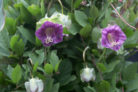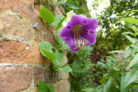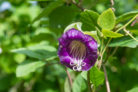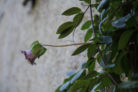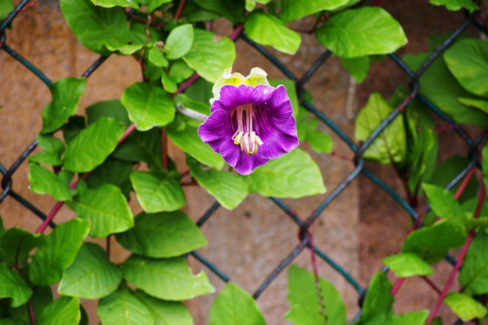
Originally hailing from Mexico, the Cup and Saucer Vine is a total rockstar for anyone looking for a low-maintenance plant that grows like crazy. This climber can reach several feet in height and gets absolutely covered in gorgeous bell-shaped flowers. It’s a real showstopper in any garden, as long as you keep a few simple planting tips in mind!
Finding the Perfect Spot
If you stick it in the deep shade, your Cup and Saucer Vine won’t bloom much—if at all. To get the best results, give your plant a spot in full sun to very light shade. Ideally, you want a place with good airflow so the leaves dry off quickly after a rain shower (this helps keep diseases away), but try to avoid spots with harsh, cold winds. A sunny, breezy location is exactly what this vine craves.
Prepping the Soil
These vines love soil that is loose and well-draining. You want it to stay fresh and slightly moist, but never soggy. If your garden soil feels a bit heavy or compacted, just mix in some sand to loosen things up. To give your plant a head start, toss a handful of compost or some horn meal into the planting hole. This provides plenty of nutrients so you won’t even have to worry about fertilizing for the first few weeks.
Pro tip: Add a layer of mulch (like dried leaves or grass clippings) around the base. This helps lock in moisture so you don’t have to water quite as often. That said, don’t ditch the watering can entirely! These thirsty vines need a good drink, especially when they’re soaking up that full summer sun.
Quick Highlights:
- Ideal Spot: Sunny to partial shade, warm, and protected from wind and heavy rain.
- Soil: Fresh to moist, well-draining, and rich in organic matter.
- Timing: Wait until after the last frost to plant outdoors.
Planting Step-by-Step
Whether you started your seeds indoors or picked up a plant at the local nursery, don’t move it outside until the danger of frost has passed in May. The same goes for plants you’ve overwintered from last year. These beauties are not frost-hardy and will die off if the temperature drops below freezing, even for a short time.
While you’re digging the hole, let the root ball soak in a bucket of water so it’s nice and hydrated. Add your compost or organic fertilizer to the hole, then set the plant in so the soil reaches the first set of leaves. Don’t forget to provide a trellis or support for it to climb, and give it a thorough watering once it’s in the ground.
Quick Tip: The Cup and Saucer Vine also does great in large containers on a patio!