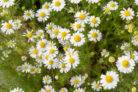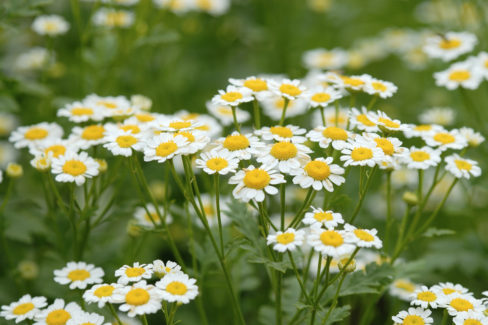
German Chamomile is a superstar in the world of healing herbs, and it’s a total workhorse in the kitchen, too. Whether you’re brewing a soothing cup of tea, tossing fresh blooms into a wild herb salad, or extracting your own essential oils, this hardy annual is a must-have for any home garden. The best part? It’s surprisingly easy to grow and harvest. Here’s everything you need to know to get your chamomile patch thriving.
What’s the best spot for chamomile?
Chamomile is a total sun-worshipper, so you’ll want to pick the brightest spot in your garden. If your yard is a bit short on direct light, don’t worry—a partially shaded spot can work just fine as long as the area stays bright throughout the day.
What kind of soil does it prefer?
For happy plants, aim for soil that is loamy or slightly sandy. Chamomile isn’t a fan of “wet feet,” so make sure the soil drains well. It prefers a pH level that’s anywhere from slightly acidic to basic (between 6.5 and 8). If you’re lucky enough to have rich, dark chernozem (black earth) in your garden, that’s where your chamomile will really shine.
When should I start planting?
You’ve got two windows for sowing seeds directly outdoors: early May in the spring or mid-September in the fall. If you decide to sow in September, just make sure to give the young plants some protection from excessive winter moisture. Before you scatter your seeds, loosen the soil a bit and mix in some well-aged compost to give them a nutrient boost.
Should I start seeds indoors?
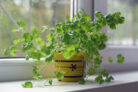
If you want to get a head start on the growing season, you can definitely start your seeds on a sunny windowsill in March. Once the weather warms up in May, they’ll be ready to move to their permanent home outside.
How do I actually sow the seeds?
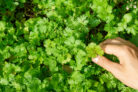
Here’s a pro tip: Chamomile seeds are “light germinators,” which means they need light to wake up. Don’t bury them under a layer of dirt! Just press them gently into the loosened soil so they stay put. You should start seeing tiny green sprouts popping up in about five days.
Can I grow chamomile in pots?
Absolutely! Chamomile does great in containers. Just keep an eye on the watering—while you want to give them a regular drink, remember that chamomile actually prefers things on the drier side. Be careful not to overwater.
How does chamomile spread?
This herb is a bit of a free spirit. Once it’s established, it usually takes care of its own reproduction through self-seeding. If you let a few flowers go to seed at the end of the season, you’ll likely see new plants popping up all on their own next year.
Who are the best garden neighbors for chamomile?
Chamomile is a great companion plant! It gets along famously with leeks, onions, celery, kohlrabi, and most types of cabbage. It also makes a fantastic “garden squad” when planted alongside nasturtiums and potatoes.