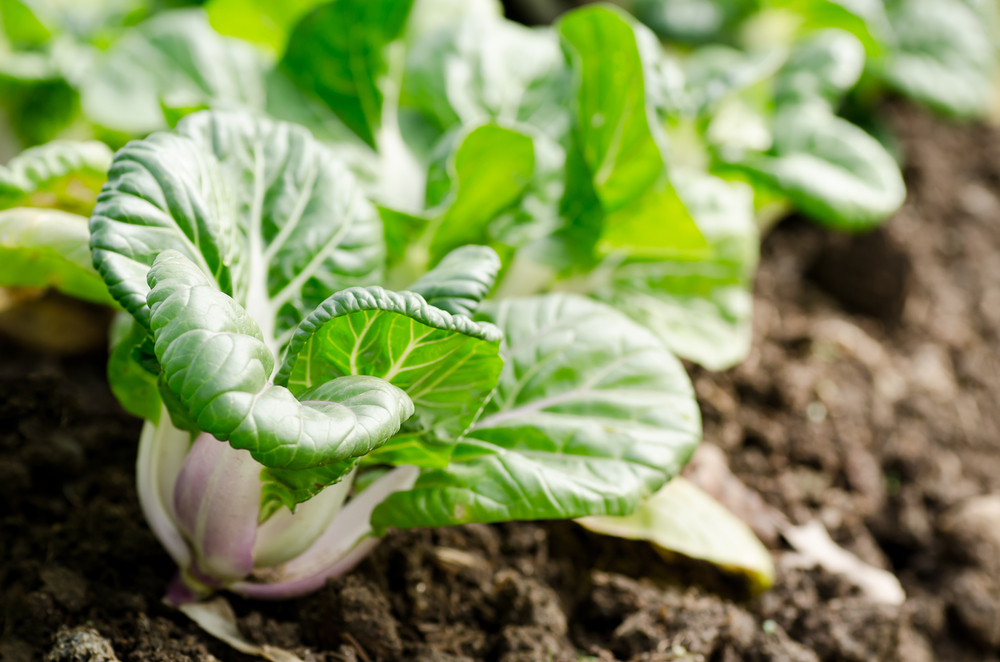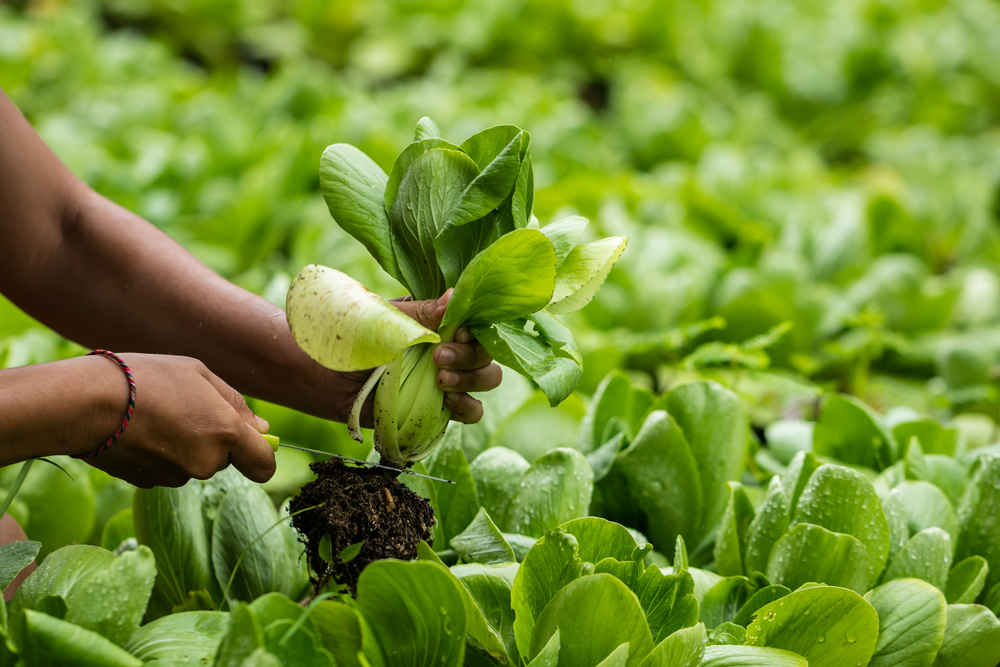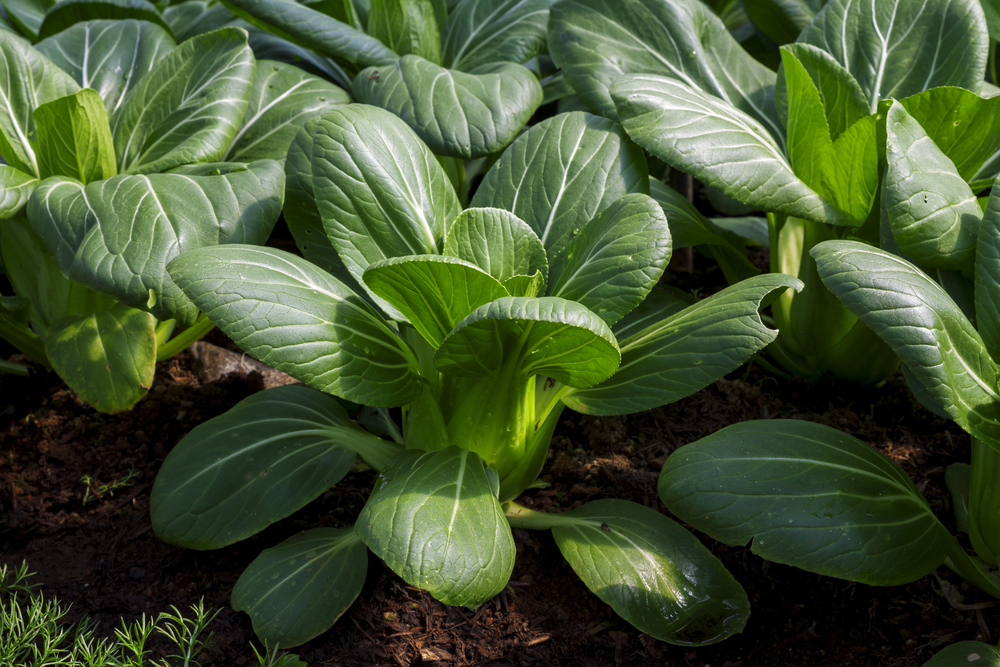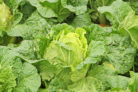
Pak choi (or bok choy) is a Chinese cabbage variety that’s been gaining a ton of fans in our neck of the woods lately. It’s a total game-changer for anyone who loves getting creative in the kitchen. Are you ready to add some crunch to your garden? Here is everything you need to know about growing your own pak choi.
The Best Time to Plant Pak Choi
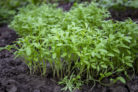
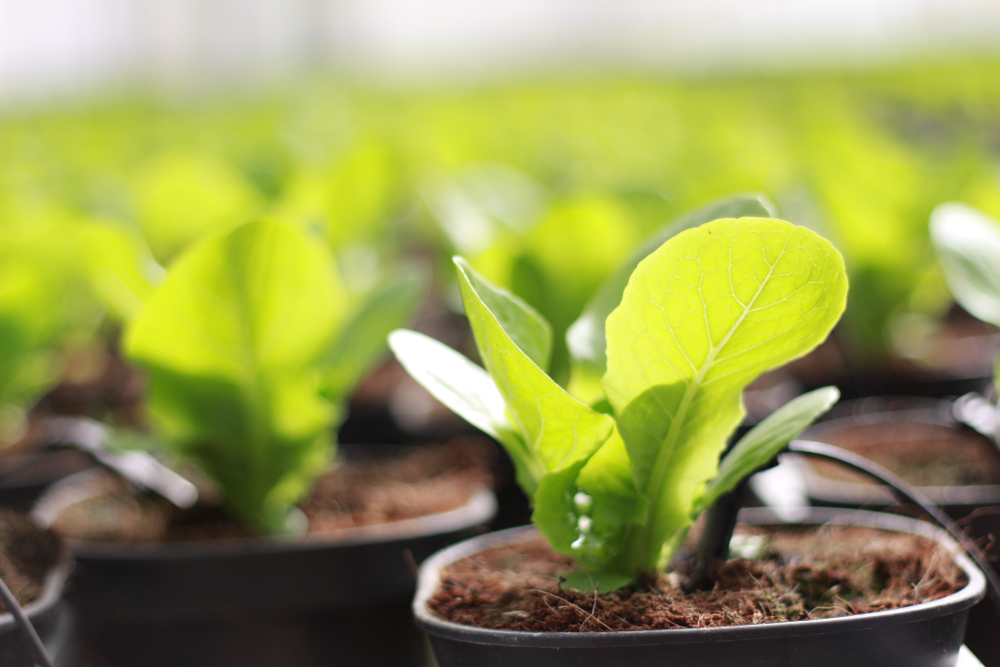
You can get a head start on the season by starting your pak choi indoors as early as April—a sunny windowsill is the perfect spot. Sow the seeds in small starter trays (pro tip: egg cartons work great, too!) and keep them somewhere warm and bright. The biggest thing to watch for here is moisture; those seeds need consistent watering and should never be allowed to dry out if you want them to germinate.
Once we hit mid-May and the threat of frost has passed, you can move your little seedlings outdoors. Pak choi is pretty sensitive to the cold, so definitely wait until the weather has stabilized. The cool thing about this veggie is that it’s ready to harvest in just five to eight weeks. Because it grows so fast, you can actually do “succession planting”—meaning you can start new seeds every few weeks through June, July, and even August for a continuous supply.
Location, Spacing, and Garden Buddies
If pak choi had a wishlist, it would be two things: lots of sun and plenty of warmth. You’ll want to pick a spot that’s sheltered from the wind with soil that is rich in organic matter (humus) and nutrients. If you’re short on yard space, don’t worry—pak choi does fantastic in containers on a patio or balcony.
When you’re transplanting, give your plants some breathing room. Aim for a distance of at least 10 to 12 inches (25-30 cm) between them. If they’re too crowded, they’ll end up competing for nutrients and won’t grow as large. It also helps to think about “companion planting.” Pak choi plays well with:
- Peas
- Spinach
- Endive
- Beans
- Tomatoes
In the gardening world, neighbors matter! Not every plant gets along. For instance, you’ll want to keep pak choi away from radishes or other members of the cabbage family, as they don’t usually harmonize well in the same bed.
Planting, Care, and Feeding
Pak choi loves loose, airy soil, so give your garden bed a good turn with a fork before planting. It really struggles in compacted, heavy dirt. To prep the soil, just mix in some good quality compost. Once your seedlings are in the ground, give them a good soak and keep the soil consistently moist moving forward.
Just a heads-up: don’t go overboard with the hose. “Moist” is the goal, but “soggy” is a death sentence for the roots. If you’re growing in pots, make sure you have plenty of drainage holes. Since pak choi is a “heavy feeder” (meaning it has a big appetite for nutrients), that initial compost is a great start, but you should top it off about every three weeks to keep the plants thriving and lush.