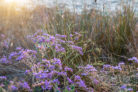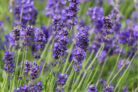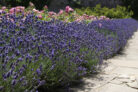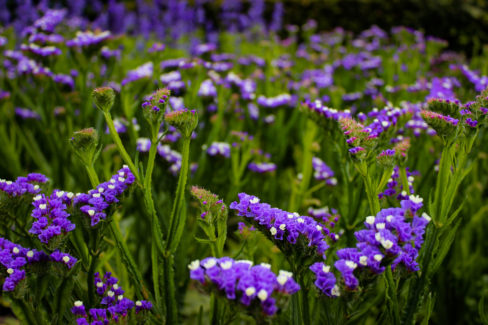
Don’t let the name fool you—Sea Lavender (also known as Statice) actually has nothing to do with the common lilac bushes you see in every backyard. It actually belongs to the *Limonium* genus within the Plumbago family, which boasts over 300 different species. This low-maintenance beauty, with its colorful clusters of tiny flowers, is the perfect solution for those tricky, dry spots in your garden where the soil is too poor for more “diva-ish” plants to survive.
Tips for Planting Your Sea Lavender
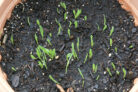
Whether you call it Sea Lavender or Statice, you can start these from seed in trays during early spring. Once they’re ready, you can move them to the garden just like any store-bought perennial. Here’s what you need to keep in mind to get them off to a great start:
- Pick a spot that gets full, glorious sun.
- Make sure the soil is well-loosened to accommodate the plant’s long taproot.
- Wait until the soil is nice and warm before planting—basically, once the sun has some real strength behind it.
- Dig your planting hole about twice as large as the root ball.
- Add a drainage layer of gravel or broken terracotta pieces at the bottom; Sea Lavender absolutely hates “wet feet” (standing water).
- Gently loosen the root ball with your hands before putting it in the ground to help it settle in.
- Keep the soil nutrient-poor—no fancy compost needed here!
- Keep the soil slightly moist only until the plant has established itself.
Growing in Containers
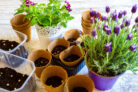
If you’re planning to grow Sea Lavender in pots, drainage is your number one priority. Avoid saucers or decorative outer pots where water can pool up. You’ll also want a fairly deep pot so that taproot has plenty of room to grow. I highly recommend using unglazed terracotta pots; they allow moisture to evaporate through the sides, which these plants love.
The Perfect Soil
The ideal soil for Sea Lavender is deep and well-draining. A sandy, slightly alkaline substrate that isn’t too rich in nutrients is perfect. Whatever you do, make sure the water can drain away freely. This plant much prefers being too dry over being too wet!
Care and Maintenance
Sea Lavender is one of those “set it and forget it” plants, making it a dream for beginner gardeners. Once it’s settled into the right spot, you won’t need to worry about fertilizer or regular watering. Just keep it lightly moist during the initial growth phase. When you do water, aim for the base of the plant—getting the flowers and leaves wet can lead to sun scorch. Sea Lavender is quite winter-hardy, though plants in pots might need a little extra protection during a deep freeze.