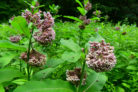
The Common Milkweed (botanical name *Asclepias syriaca*), often called the “Parrot Plant” because of its unique seed pods, is actually a North American native that feels right at home in many gardens. If you’ve already got one of these exotic-looking beauties in your yard, you’ll be happy to know that propagating it is pretty straightforward!
How to Propagate Your Parrot Plant
This extraordinary flower is easy to multiply if you’re lucky enough to have seeds or established plants from a friend’s garden. You might have noticed it’s gotten harder to find in some garden centers lately; in certain regions like the EU, it’s actually restricted because it spreads so vigorously and can crowd out local species. However, if you already have it in your garden, you’re free to keep enjoying it and growing more for your own space.
There are three main ways to get more Parrot Plants:
- From seed
- From cuttings
- By division
Starting from Seed
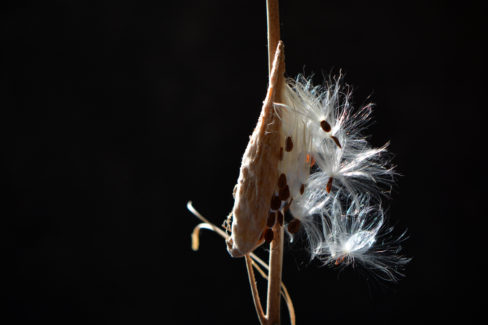
You can harvest seeds directly from the ripe, bumpy pods of the plant. Each seed is attached to a silky white “parachute” designed to catch the wind—that’s nature’s way of spreading them around! You can start these seeds indoors any time of year. To get the best results, give them about a week of “stratification” in the fridge (this cold snap helps break their dormancy). After that, sow them in trays with seed-starting mix. Just barely cover them with soil, as they need light to germinate. Keep them in a bright spot at about 60-70°F and keep the soil moist; you should see sprouts in 2 to 3 weeks. Once they have four leaves, transplant them into individual pots. Make sure to keep these young plants frost-free during their first winter.
Growing from Cuttings
This is a super simple method. When you’re cutting back your plants in the fall, you’ll have plenty of semi-woody stems to work with. Take a piece about 4 to 6 inches long, strip off the lower leaves, and pop it into a glass of water to root. If you prefer, you can plant the cutting directly into a pot of moist potting soil—just make sure to keep it well-watered while it establishes itself.
Division
The third method is dividing the rootstock. Simply dig up the plant and split the root ball down the middle with a sharp spade. You can also just cut off individual sections of the rhizomes (the underground stems). Replant these in a sunny to partially shaded spot, or give them a new home in a large container.