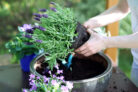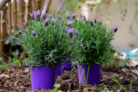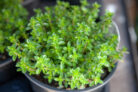
Lavender isn’t just for the rolling hills of Provence! You can easily grow this fragrant beauty right in your own backyard. The best part? You don’t need to keep buying new plants. Propagating lavender from cuttings is actually super simple. Here’s my go-to guide on how to grow your lavender collection for free.
The Best Time to Take Lavender Cuttings
If you want the best results, aim to take your lavender cuttings in either the spring or mid-summer. These are the times when you’re usually already out there pruning or harvesting blooms anyway. Instead of tossing that garden waste in the compost bin, use those clippings to start new plants!
I personally love taking cuttings in the spring. It gives the “babies” plenty of time to establish a strong root system before the winter chill sets in. However, if you’re growing your lavender in a greenhouse or as an indoor plant, late summer cuttings work great too since they’ll be protected from the elements.
How to Prep Your Lavender Cuttings
- Grab a pair of clean, sharp garden shears.
- Look for healthy shoots that haven’t branched out yet.
- Aim for cuttings that are about 3 to 4 inches long.
- Snip off the very tip of the shoot—this encourages the plant to grow bushier later on.
- Strip off all the leaves from the bottom half of the stem.
How to Root Your New Lavender Plants
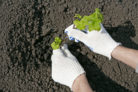
Start by filling a seed-starting tray or small pot with a mix of potting soil and sand (lavender loves drainage!). Moisten the soil and lightly press it down to get rid of any big air pockets. Poke a small hole, slide your cutting in until the soil reaches the first set of leaves, and give it a gentle mist with a spray bottle.
Place your pots in a bright spot with plenty of indirect light and good airflow. Keep them at a comfortable room temperature. You’ll need to water them regularly to keep the soil slightly damp, but be careful not to overdo it! Lavender hates “wet feet,” and soggy soil will rot the new roots before they even start. Once you see new growth and the cuttings feel sturdy, you can transplant them into larger pots or find them a permanent home in your garden.