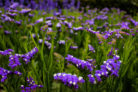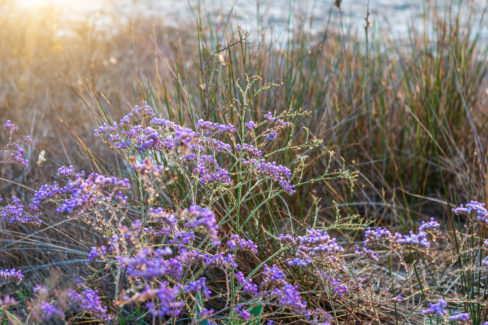
Sea Lavender (also known as Statice) is the ultimate “set it and forget it” plant for those tricky, dry spots in your yard where nothing else seems to grow. It’s incredibly low-maintenance and, once established in the ground, can handle freezing temperatures down to -18°F (-28°C) without breaking a sweat. However, if you’re growing your Sea Lavender in containers, you’ll need to give it a little extra TLC to get it through the winter.
How Sea Lavender Braves the Cold
Plants in the *Limonium* genus are built tough. They grow long taproots that anchor them into poor soil or sandy coastal dunes. This deep root system is exactly why they’re so hardy—frost rarely reaches deep enough into the earth to bother them. Just a heads-up: if you’ve just planted new perennials, give them a bit of light protection for their first winter since their roots haven’t had the chance to dive deep yet.
Container Gardening and Winter Care
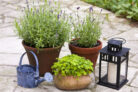
When Sea Lavender is grown in pots or planters, it’s much more vulnerable to the cold. The root ball can freeze solid pretty quickly, which is usually game over for the plant. If you want your potted Sea Lavender to return next year, follow these steps:
- Move the pot to a spot shielded from harsh winds and heavy rain.
- Elevate the pot by placing it on a piece of Styrofoam or wood to insulate it from the cold ground.
- Wrap the container in burlap, garden fleece, or bubble wrap. Rule of thumb: the smaller the pot, the thicker the insulation needs to be.
- Cover the base of the stems with some evergreen boughs or brush.
Prepping for the Off-Season
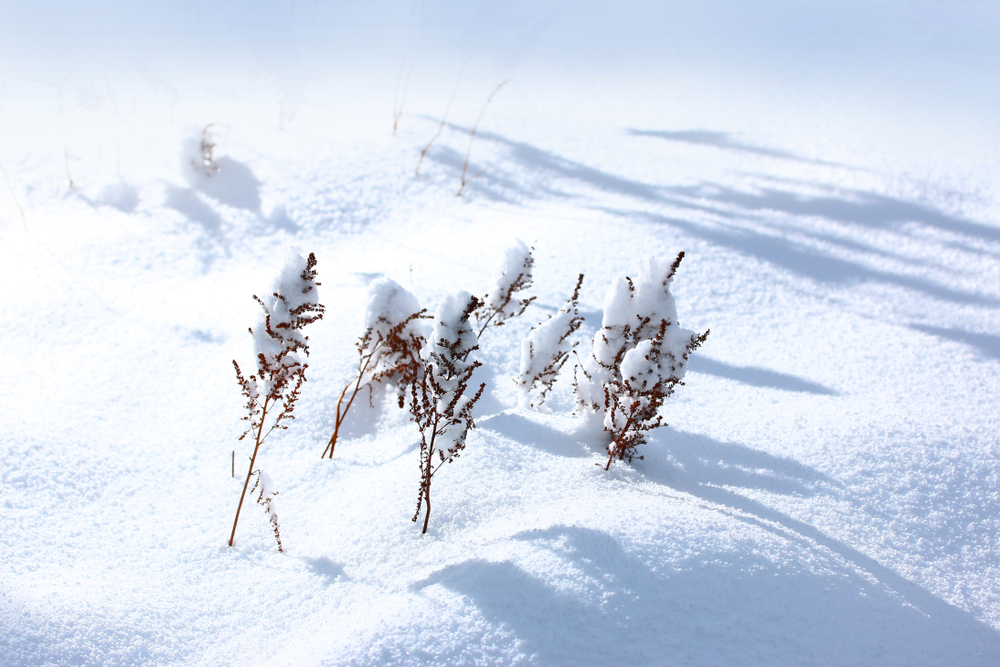
In late fall, you’ll want to cut your Sea Lavender back close to the ground. Pro tip: the dried flowers look amazing in autumn bouquets, so don’t let them go to waste! Once you’ve trimmed it back, cover the remaining stems with a layer of mulch, leaves, or pine branches. While this helps with the cold, it’s actually more important for keeping excess winter rain away from the crown.
On the flip side, don’t let the soil get bone-dry. “Dry freezes” can actually damage the plant, so if you have a long stretch without rain or snow, give it a little water on a day when the temperature is above freezing.
Springing Back to Life
To give your Sea Lavender the best start in the spring, make sure to remove the winter mulch or covers early enough. If you leave them on too long as the sun gets stronger, you risk trapping moisture and causing mold. Around April, hit the plant with a good all-purpose fertilizer to fuel that fresh new growth!