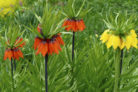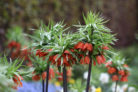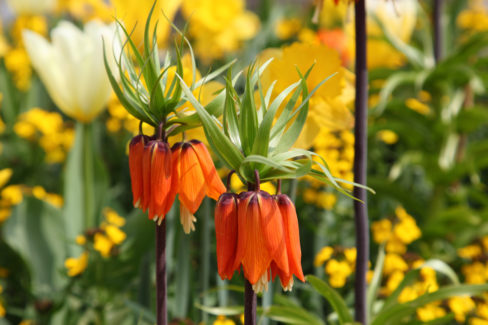
The Crown Imperial isn’t exactly a “set it and forget it” kind of plant, but don’t let that intimidate you! If you get the bulb planting right from the start, you’ll be rewarded with a stunning display of vibrant, regal blooms. Follow these tips and tricks to get your garden looking like royalty.
When to Plant Your Crown Imperial
The sweet spot for planting Crown Imperial bulbs is between August and October. This gives the plant plenty of time to establish a strong root system before the ground freezes. Once those bulbs are in the dirt, leave them there! The Crown Imperial is hardy and actually *needs* a cold snap to thrive. If you try to overwinter the bulbs indoors, you’ll miss out on that essential chilling period, which usually results in fewer flowers come springtime—and nobody wants to miss out on those gorgeous bells!
How to pick the perfect spot:
- Sunny locations with plenty of warmth
- Avoid the shade of other large, leafy plants
- Loose soil with excellent drainage
- Nutrient-rich earth
Setting the Stage for Success
To give your plants the best start, you’ll want to make sure the soil is nice and loose. One of my favorite pro tips is creating a drainage layer. Dig a hole about 8 inches deep and toss a layer of sand at the bottom before placing the bulb. This layer acts like a safety net, allowing heavy rain to drain away so the roots don’t sit in water. If you’re planting in containers, mixing some sand into your potting soil works wonders—just make sure your pot has plenty of drainage holes!
“Wet feet” (standing water) is the quickest way to stress out a Crown Imperial. Because of this, you don’t need to go overboard with the watering. Usually, you only need to grab the watering can during long dry spells. When you do water, try to use soft water or rainwater. If you’re using tap water, let it sit out for a couple of days first to let the minerals settle.
For feeding, I recommend using an organic fertilizer twice a year. Compost is great, or you can use a mineral-rich fertilizer. Give them their first “meal” in early spring as soon as you see those first green shoots peeking through the soil. Once the blooming season wraps up in May or June, give them a second feeding. This ensures the plant stays healthy and strong, which is especially important for newly planted bulbs!