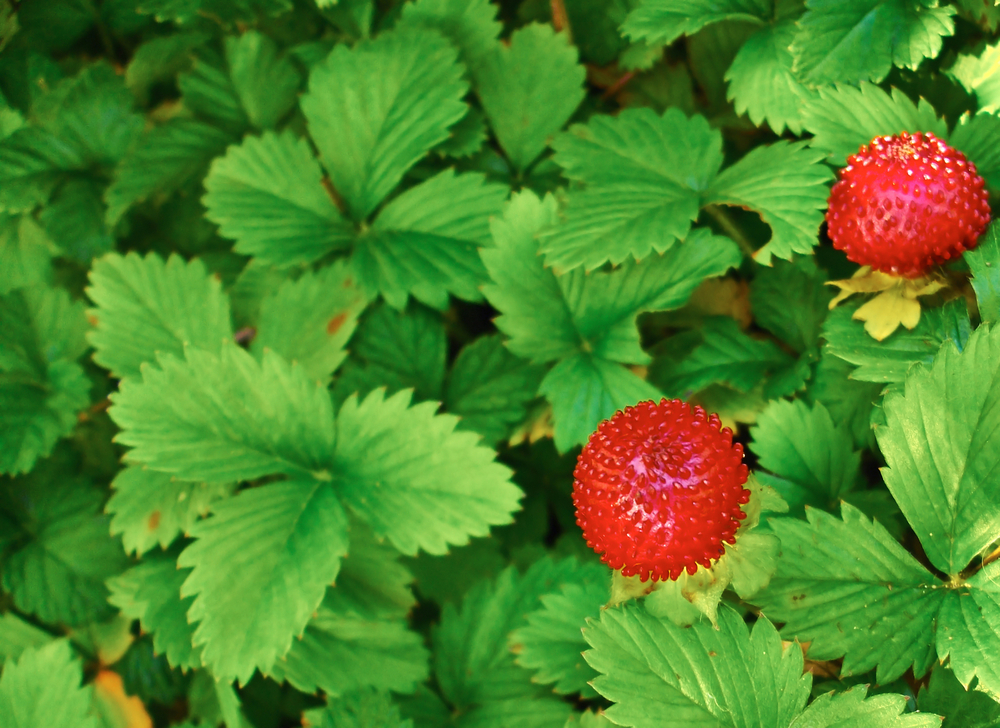
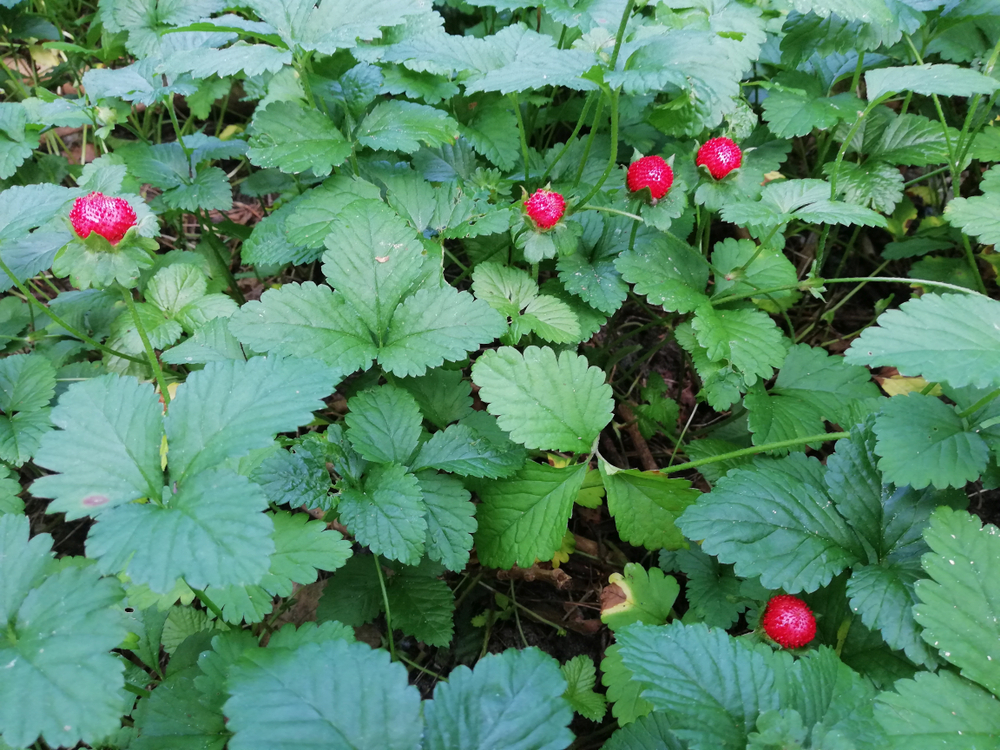
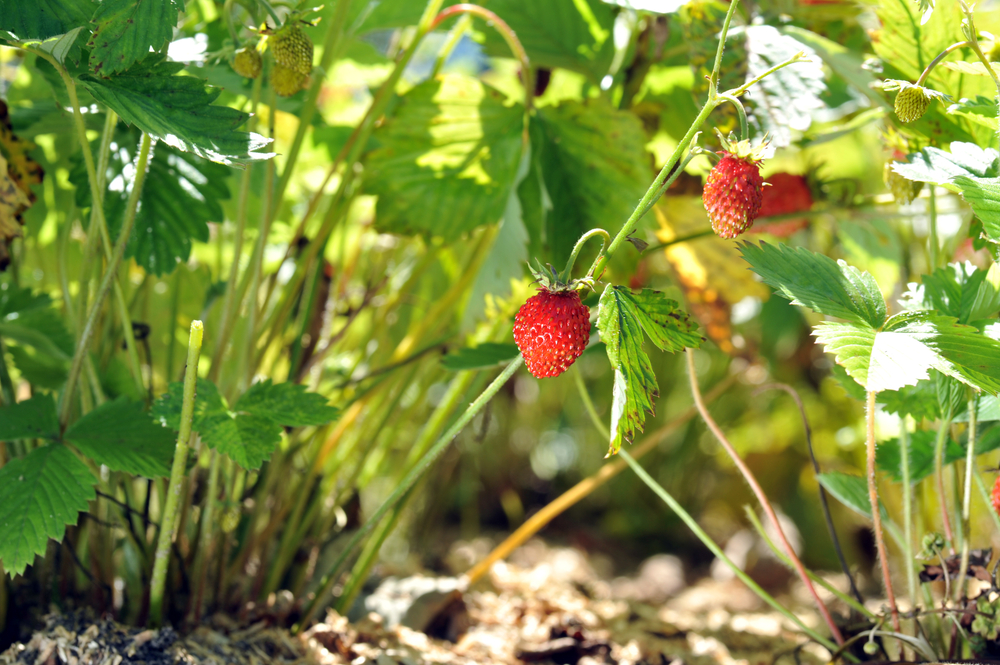
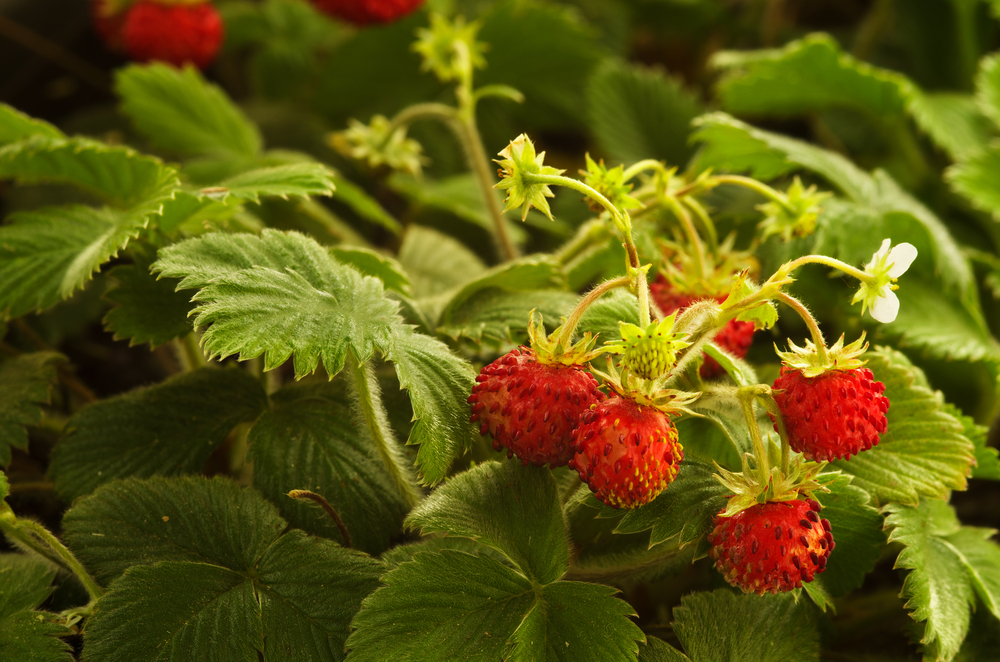
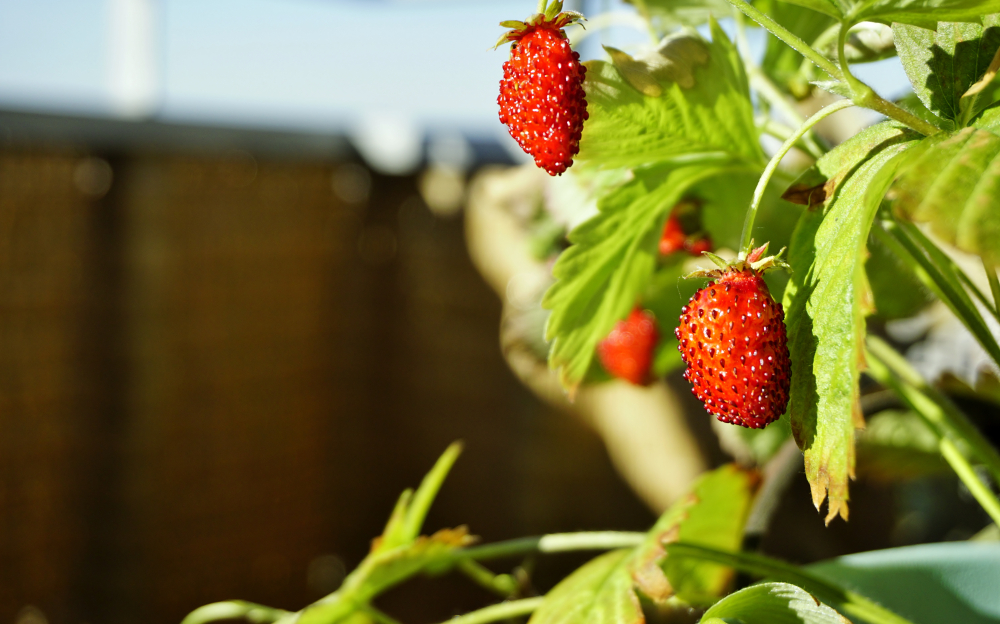
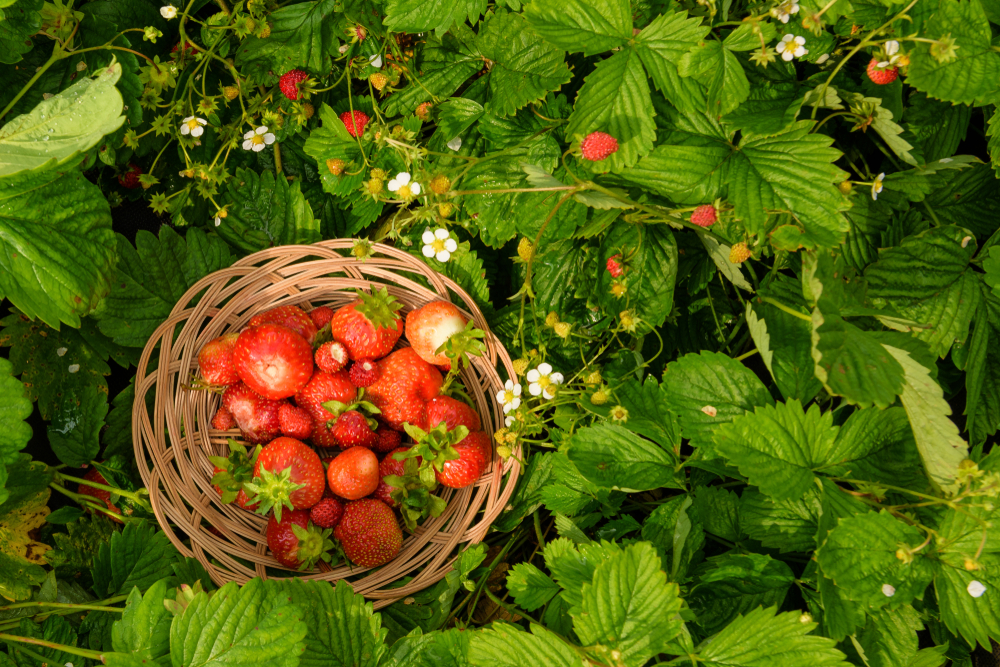
As the name suggests, wild strawberries (or alpine strawberries) are usually found tucked away in forests under the shade of trees and shrubs. But here’s the good news: you can totally bring that woodland magic into your own backyard! If you’re looking to grow these tiny, flavor-packed berries at home, here’s everything you need to know to get started.
The Best Varieties for Your Garden Beds
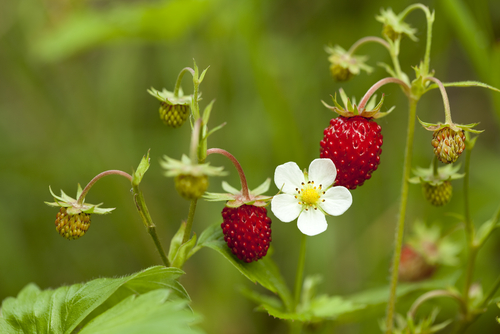
Before you start digging, you’ll want to pick the right variety. While they all pack a punch in the flavor department, some are better suited for garden life than others. The ‘Waldkönigin’ (Forest Queen) is probably the most popular choice for home gardeners. It produces stunning, bright white blossoms followed by deep red, aromatic fruits. It’s not just delicious; it’s a real showstopper in any flower bed.
Here are a few other great varieties to consider:
- ‘Kyrel’: Known for its unique, elongated fruit shape.
- ‘Rosa Perle’: A super hardy, low-maintenance option with pretty pinkish-red berries.
- ‘Alpine Yellow’: Just like the name says, these berries are yellowish-cream, but don’t let the color fool you—they are incredibly sweet and aromatic.
- ‘Florika’: This robust variety is a fantastic choice if you’re looking for a fruiting groundcover.
Finding the Perfect Spot
Most garden strawberries are total sun-worshippers—they need those rays to develop their sugar. Wild strawberries, however, are a bit different. Since their natural habitat is the forest floor, they actually thrive in partial shade and don’t need nearly as much direct sun. This makes them perfect for “intercropping” or planting underneath taller plants.
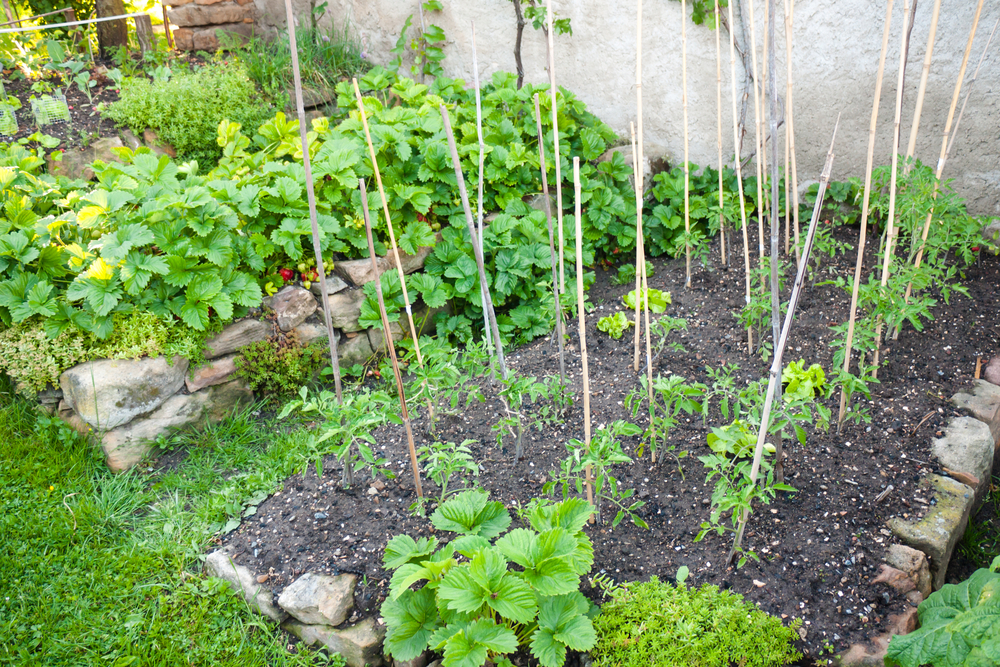
Ideally, you want to find a spot with dappled sunlight. They aren’t big fans of extreme heat or that intense, scorching midday sun. You can plant your wild strawberries right next to berry bushes, pole beans, tomatoes, or even sunflowers. This mimics their natural environment perfectly! Plus, those taller plants act as a windbreak for the delicate strawberry vines.
One pro tip: make sure to mulch the soil. You don’t want those precious berries sitting directly on damp dirt, which can lead to mold. Using bark mulch or even pine needles will help keep the fruit clean and give your garden that authentic forest vibe.