Strawberries are actually pretty flexible when it comes to when you can stick them in the ground. While there’s definitely a “sweet spot” for planting, don’t panic if you miss it—you’ve got options! Here is everything you need to know to get your berry patch up and running.
Strawberry Planting Season is Summer Season
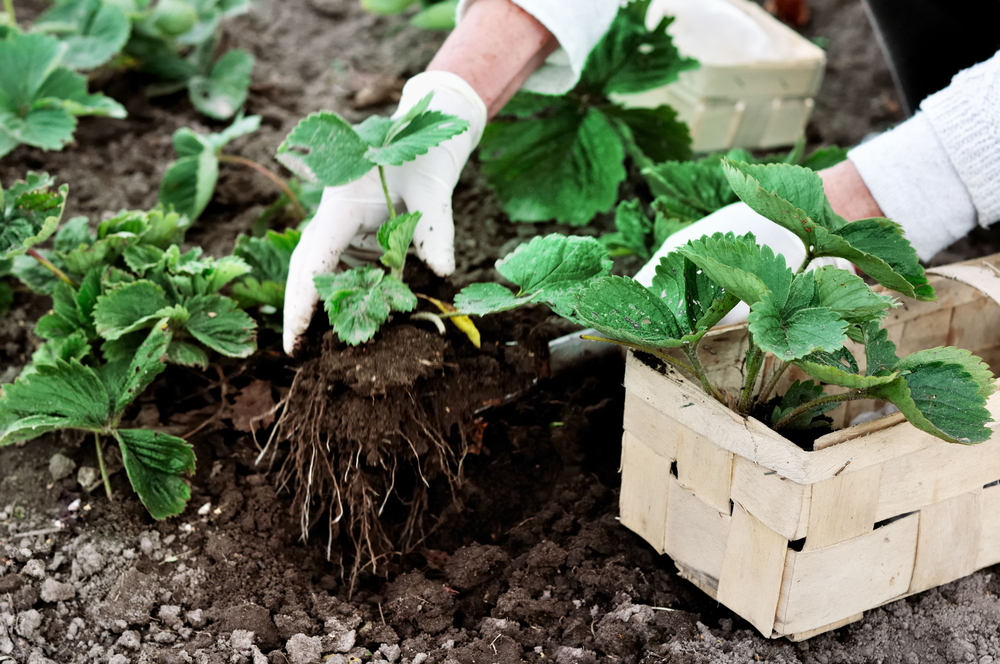
Believe it or not, the absolute best time to plant strawberries is actually in the heat of the summer, specifically between July and August. If you plant then, you’re setting yourself up for a great harvest the following year. If you already have an established patch, you might even find yourself harvesting this year’s berries and planting new ones at the same time! The window usually opens in June and runs through August, though if you’re having a particularly mild September, you can still get away with planting then too.
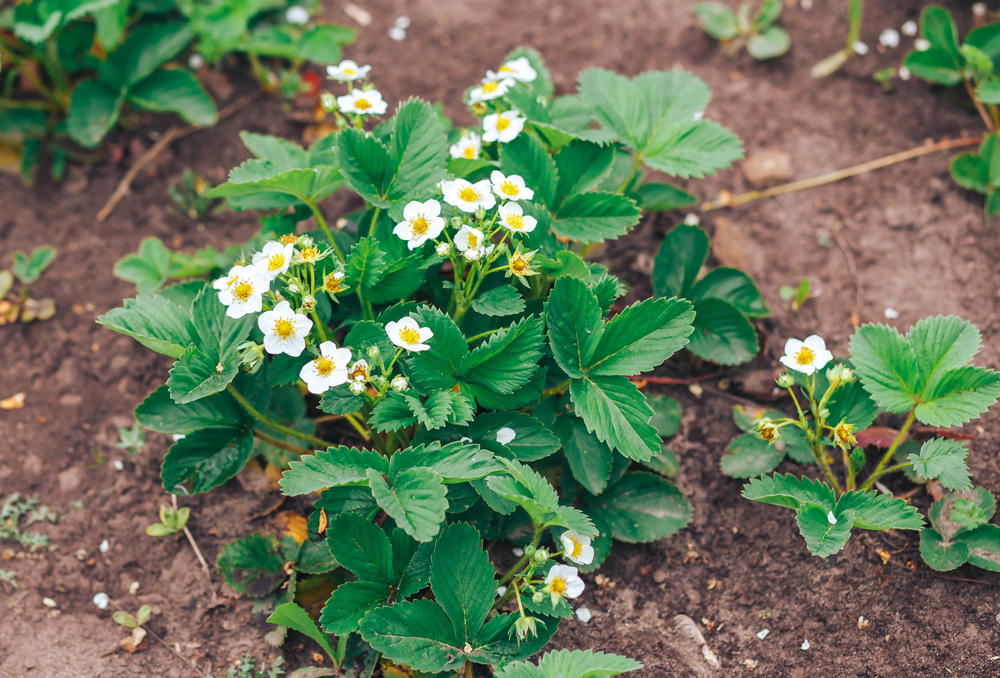
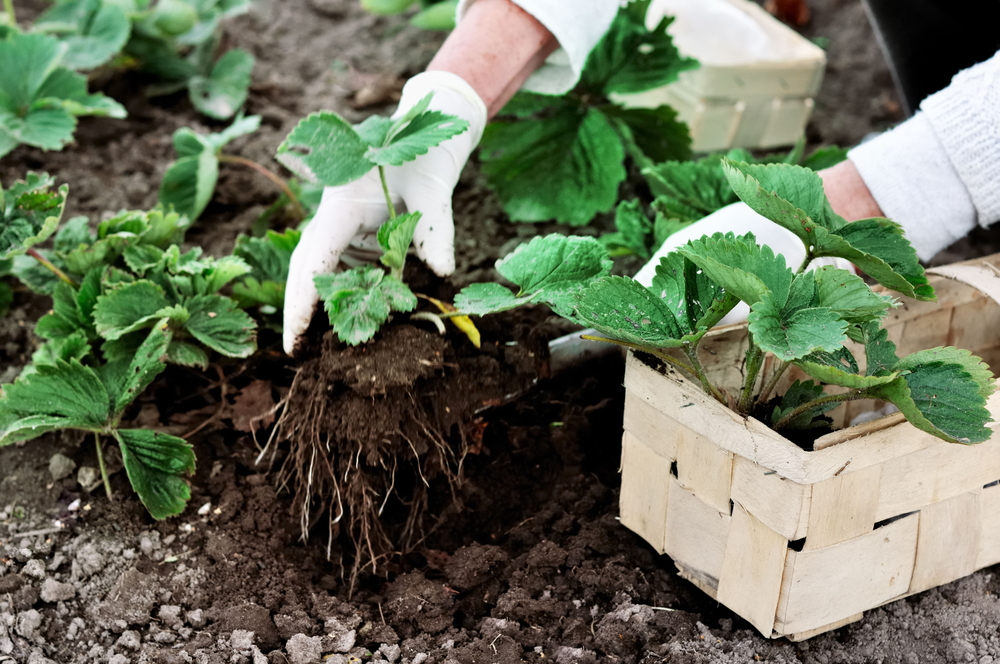
If summer slipped away from you, don’t worry—you can also plant in March or April. Strong young plants can still thrive even if the timing isn’t perfect. Just keep in mind that while you might get a few berries the same year, the harvest won’t be huge. The plants simply haven’t had enough time to develop a ton of blossoms. When shopping for young plants, look for a sturdy “heart” (the center bud) and at least three healthy green leaves. You’ll also want to make sure the root system looks strong and well-established.
Frigo Plants: The April to June Shortcut
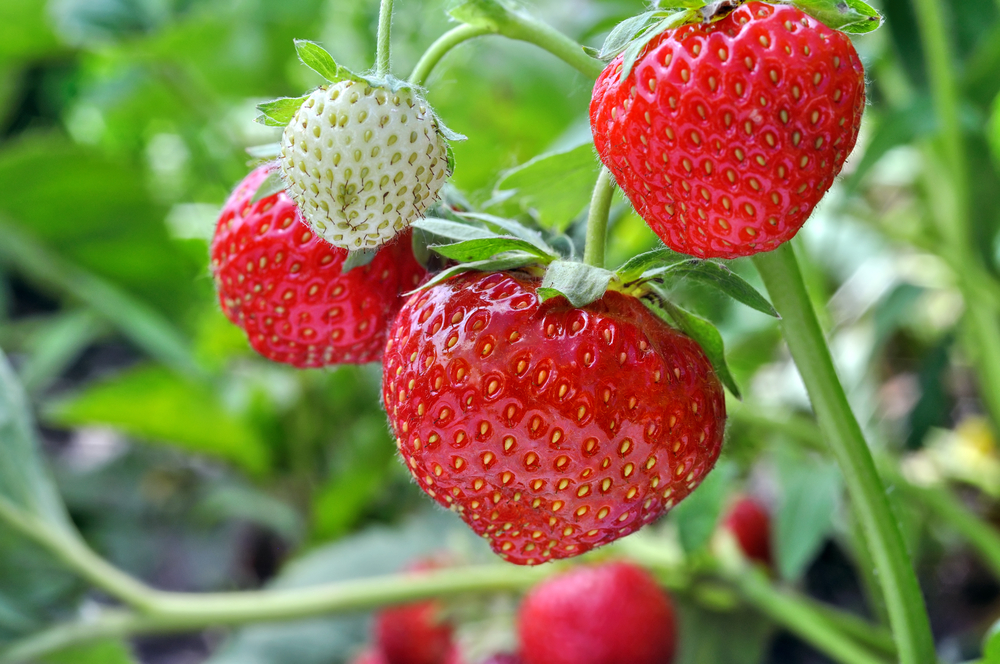
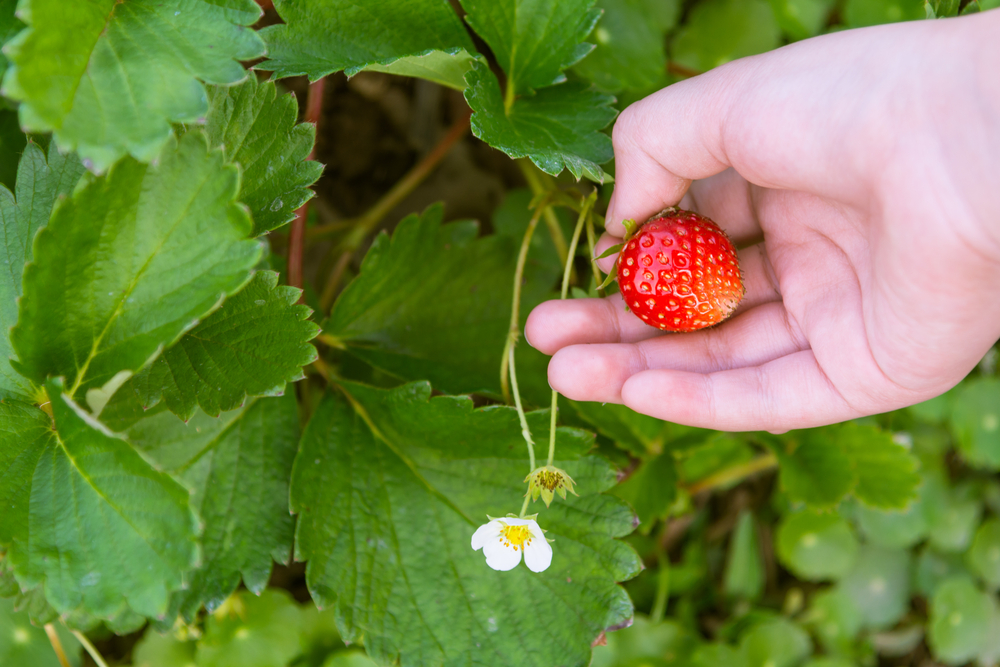
Have you heard of “Frigo” plants? They’re a bit of a pro-gardener secret. These are standard strawberry plants that were dug up in the winter, trimmed back, and kept in cold storage. The cool thing about them is that they’ll give you ripe fruit just eight weeks after planting! This works because the runners were left on the mother plant until very late in the season, giving them plenty of time to develop flower buds before they were chilled.
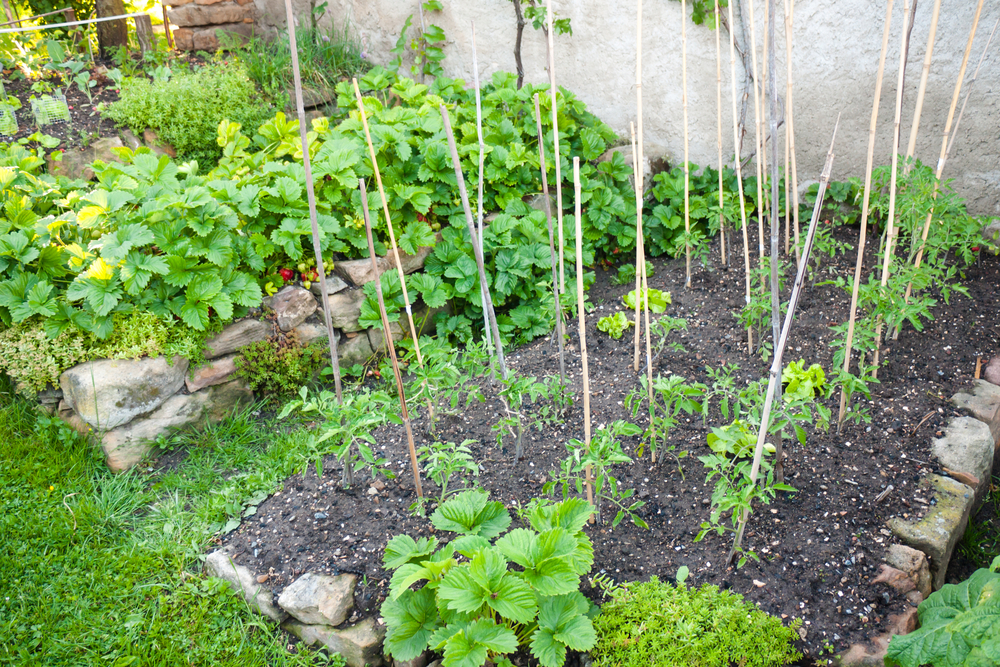
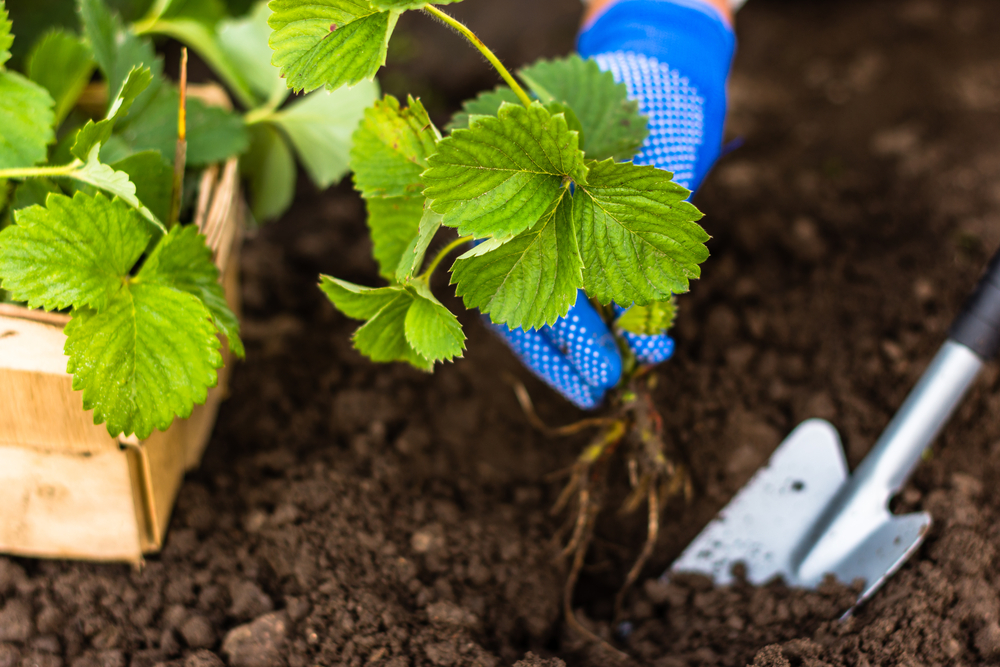
To give your Frigos the best start, mix a little compost and horn meal (or a similar organic fertilizer) into the soil. Space your plants about 10 to 12 inches apart. If you’re planting in rows, leave about two feet (60 cm) between the rows so you have plenty of room to walk, water, and—most importantly—pick your berries. No matter the variety, make sure you don’t bury the heart of the plant; that center bud needs to sit right above the soil line.
Getting Your Strawberries Through the Winter
Since summer-planted strawberries won’t give you a full harvest until the following year, they are naturally built to be winter-hardy. Depending on the variety, you can keep harvesting from the same plants for up to four years!
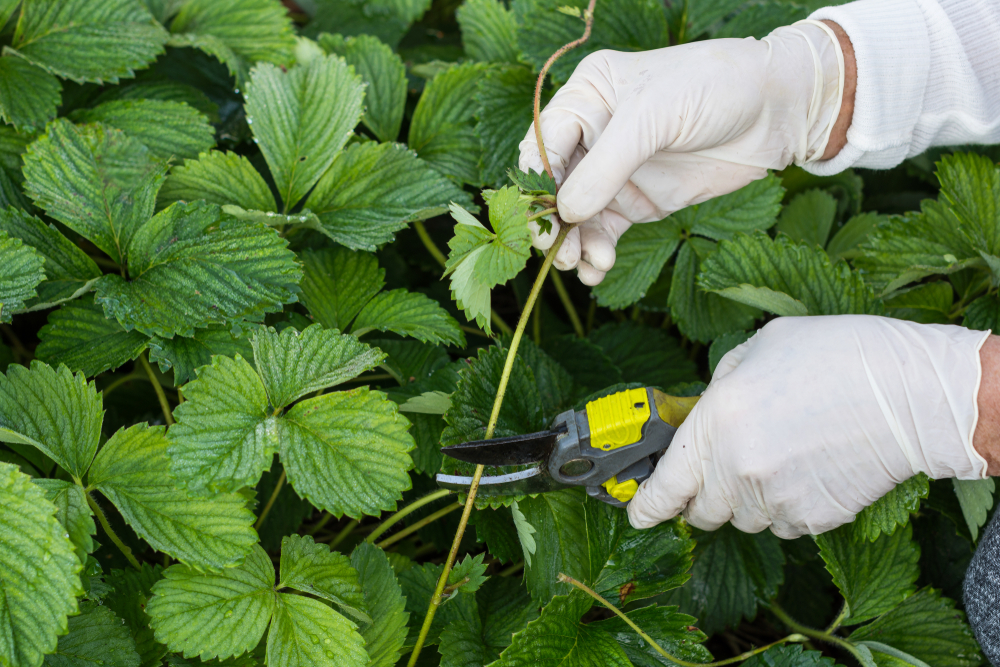
In late autumn, prune the plants back, being careful not to damage the heart bud. Protect the soil from freezing by laying down a mulch layer of straw or brushwood. One pro tip: make sure to clear away any withered leaves or debris sitting on the soil, as these can be a breeding ground for pests and diseases over the winter.