If you’re tired of those bland, watery supermarket strawberries and want to experience the real deal, there’s nothing better than picking them fresh from your own backyard. Growing your own berries is actually pretty straightforward—as long as you keep a few golden rules in mind. Here is your go-to guide for getting started.
The Perfect Spot and Soil
Strawberries are total sun worshippers. To get those incredibly sweet, aromatic berries we all love, you need to give them a spot with full sun. If you’re growing them on a balcony or patio, a south-facing position is your best bet. You’ll also want a spot that’s somewhat sheltered from the wind, but not *completely* still—a little airflow helps the leaves dry off after rain, which prevents rot.
When it comes to soil, strawberries are a bit picky. They hate “wet feet,” so the ground needs to be loose and well-draining. If your soil is heavy or compacted, your plants are at a high risk for root diseases. A pro tip? Mix in some sand to improve drainage. These berries also prefer slightly acidic soil with a pH of around 6.5. Getting the soil right is the secret sauce for a massive harvest later on.
Timing is everything: prepare your soil about two weeks before you plan to plant so it has time to settle. Dig it over thoroughly with a spade and mix in some compost and horn meal, as strawberries are very hungry plants. After letting it rest for those two weeks, just smooth it over with a rake, and you’re ready to go.
Planting Your Strawberries
Don’t be discouraged if you don’t get a huge haul in the first year. Most strawberry plants really hit their stride and produce the most fruit in their second and third years. After that, the yield usually starts to drop off. Because strawberries are “heavy feeders” and soak up so many nutrients, you shouldn’t grow them in the same spot for more than four years. By then, the soil is usually “tired” and depleted.
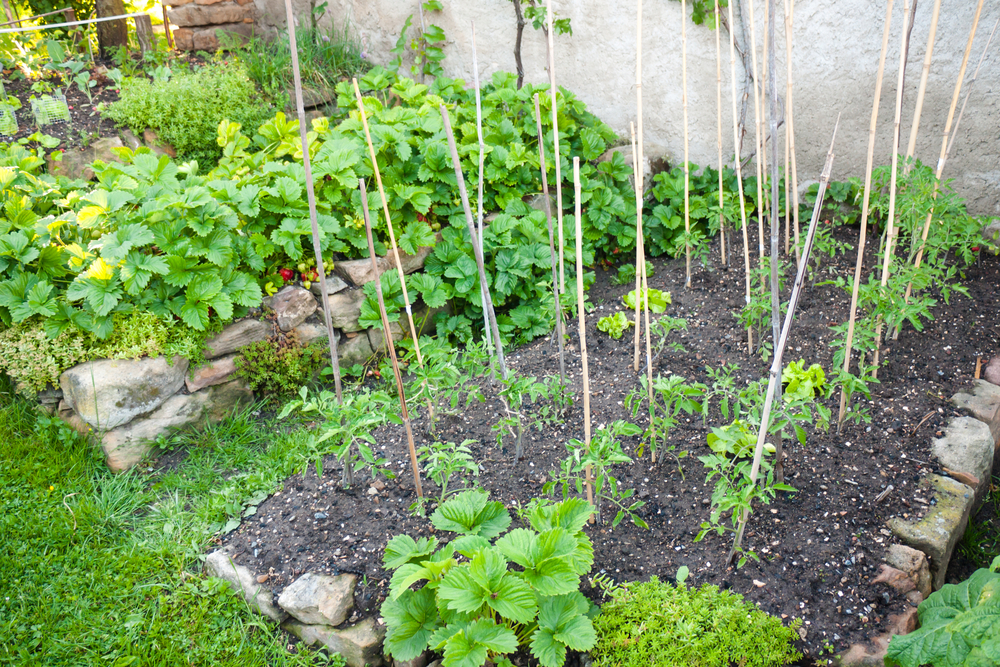
After four years, it’s time to rotate your crops. Give that patch of dirt a break from berries and try planting:
- Kohlrabi
- Any type of lettuce
- Radishes
- Garlic and onions (these actually make great companion plants!)
- Lupines
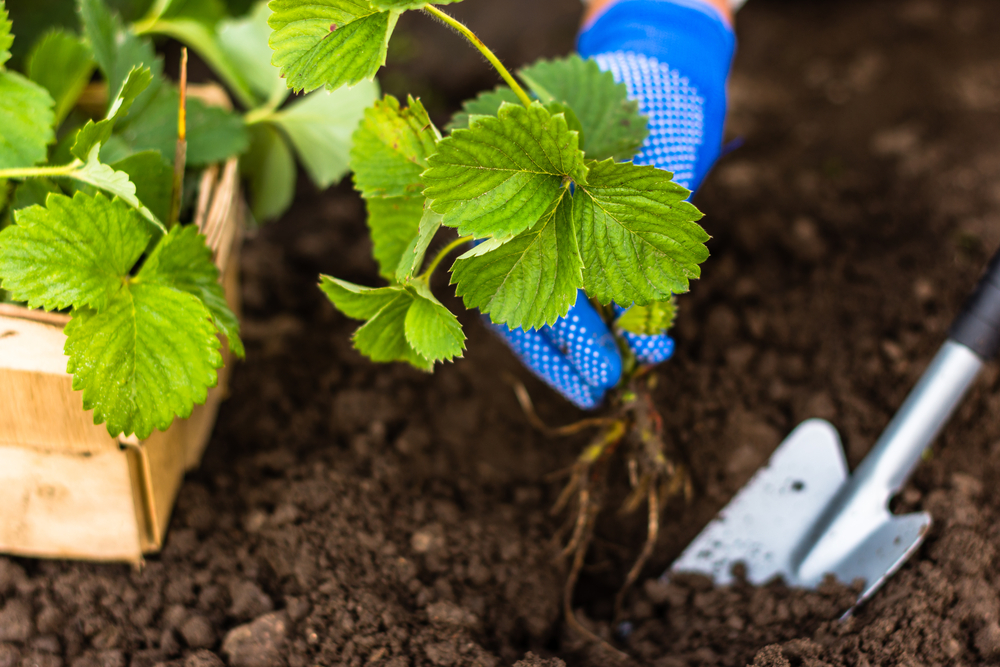
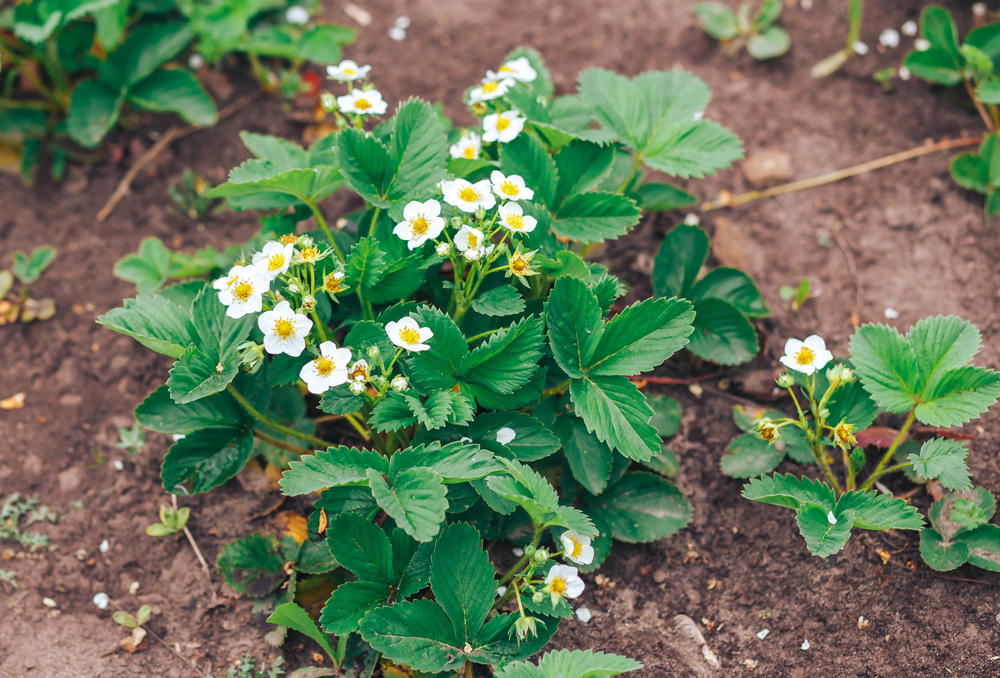
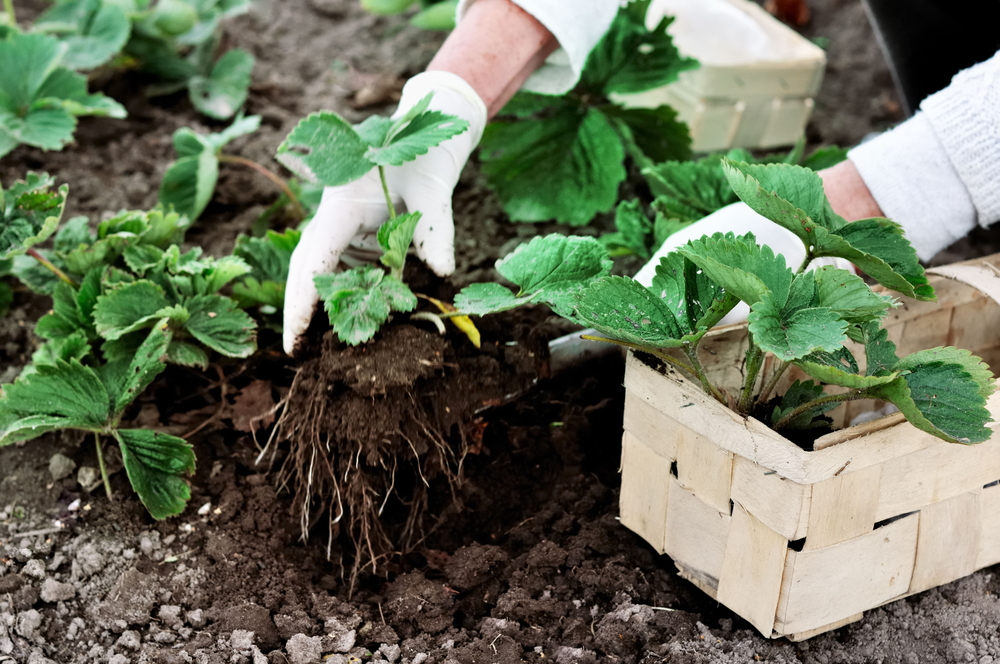
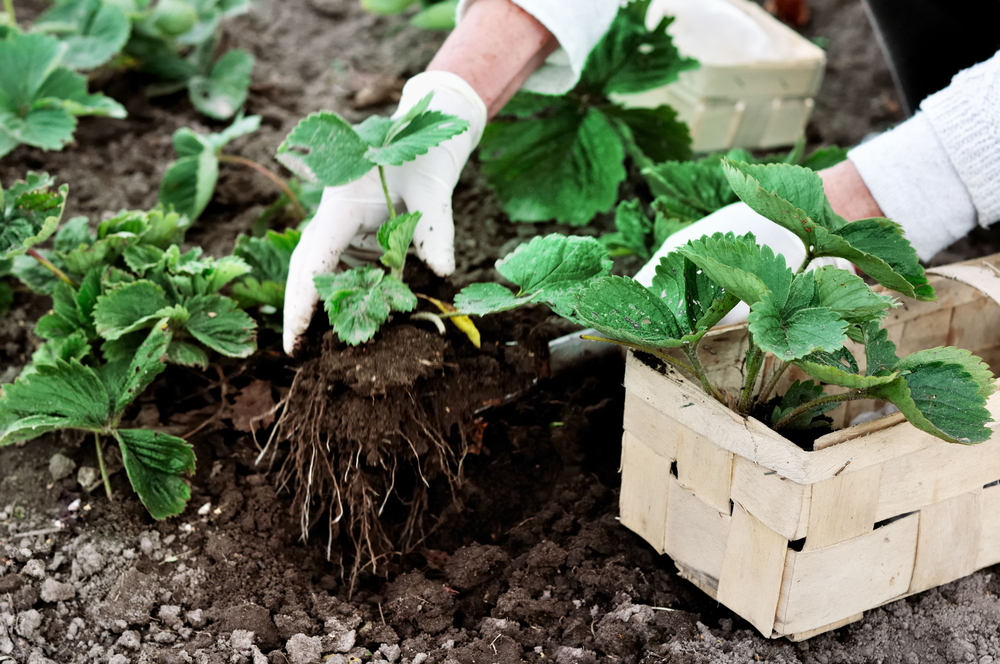
When you’re ready to plant, space your rows at least 24 inches (60 cm) apart. You want enough room to walk between them comfortably during harvest time. Within the row, keep the plants about 12 inches (30 cm) apart. Here’s the most important part: watch the depth. The “crown” (the thick part where the leaves emerge) should be sitting right at the soil surface. If you bury the crown, the plant might rot; if it’s too high, it might dry out.
Caring for Your Plants
Strawberries are a bit high-maintenance, especially in the first few weeks after planting. They need consistent watering to get established. You’ll also need to stay on top of weeding, especially if you haven’t mulched yet. Be careful with the hoe so you don’t nick the shallow roots!
I highly recommend mulching the rows with straw or bark mulch. Not only does this keep weeds down, but it also keeps the heavy berries off the damp soil. This “straw bed” keeps your fruit clean and prevents them from rotting in the mud.
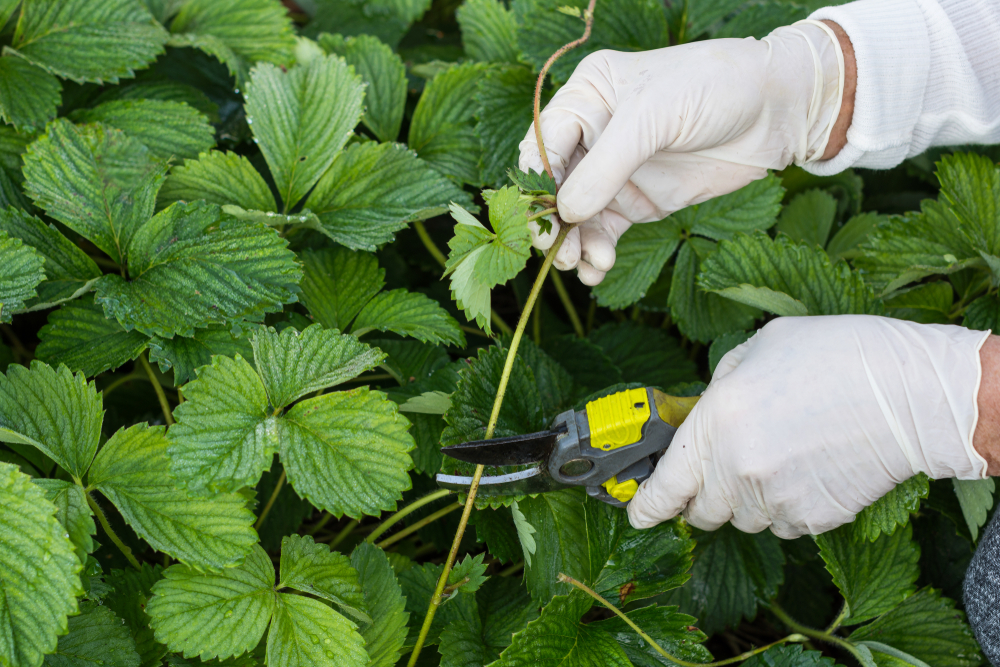
Keep an eye out for old, dead leaves on the ground and clear them away, as they can harbor fungal diseases. Once the chilly autumn days arrive and the fruiting stops, you can trim the plants back (just don’t cut the crown!). This is also the perfect time for a second feeding. Sprinkle some organic berry fertilizer and a little extra compost around the base of the plants to tuck them in for the winter.