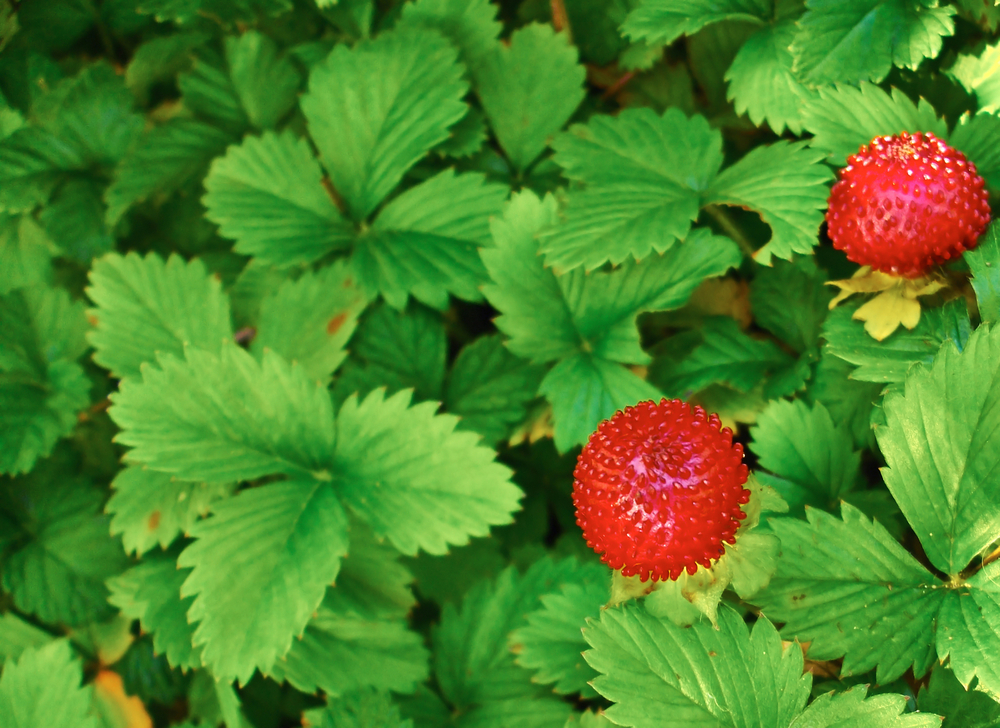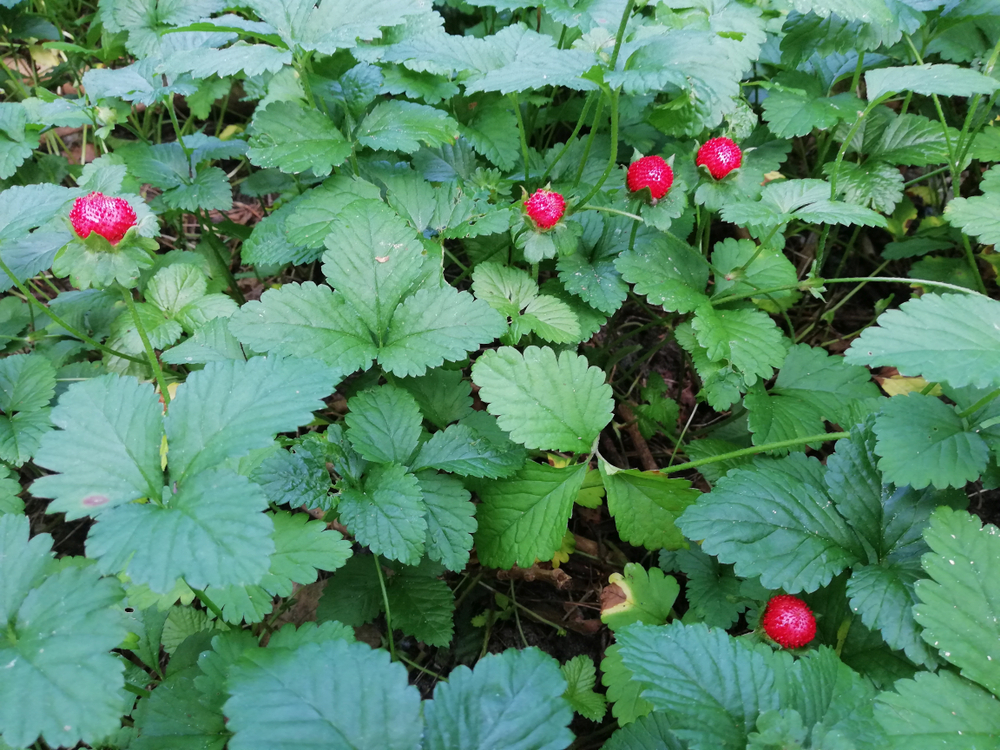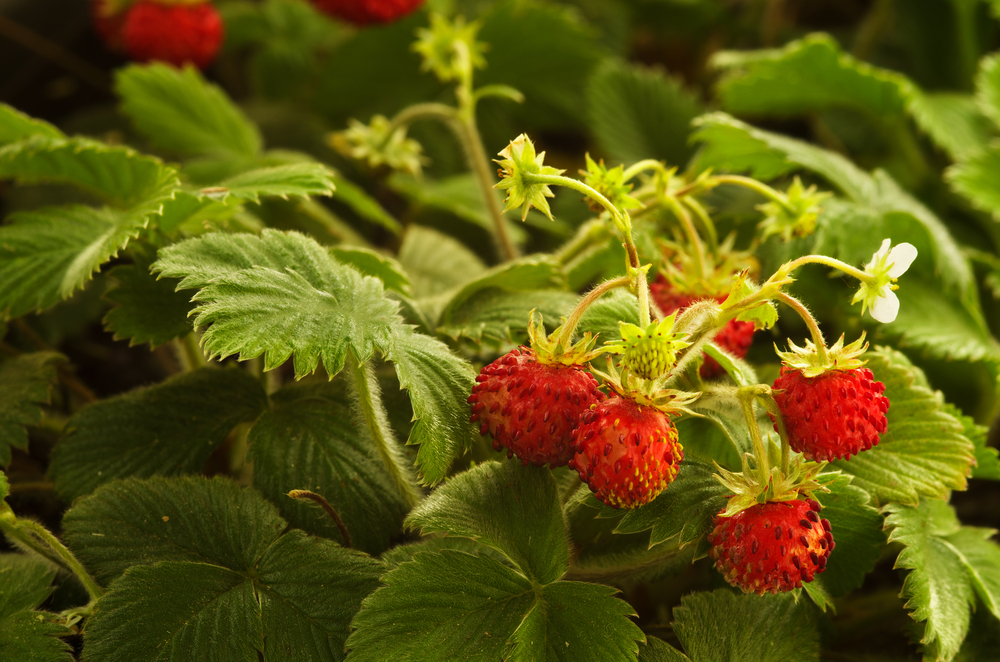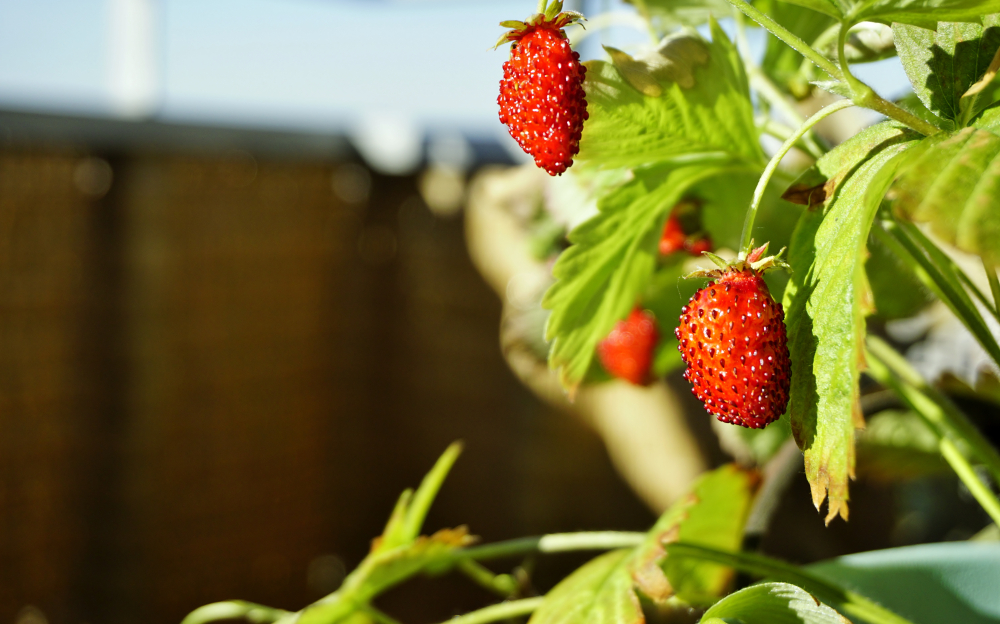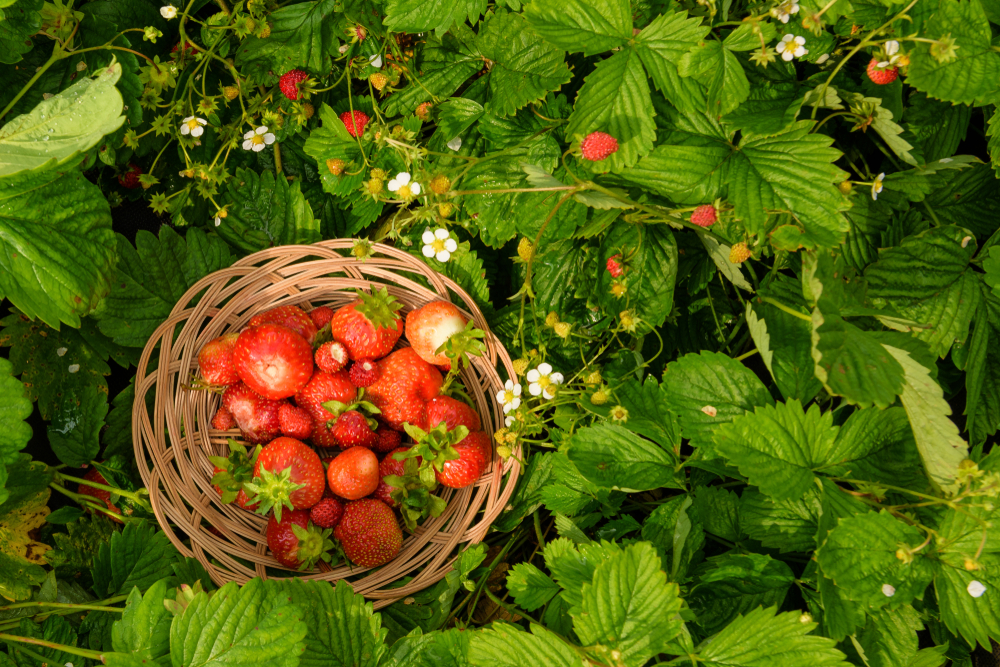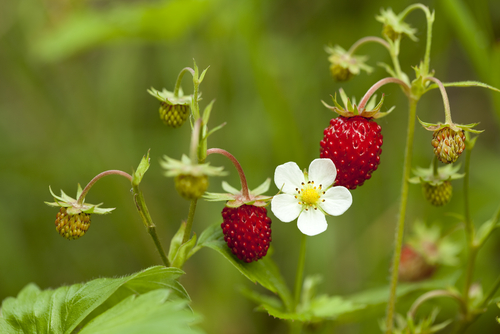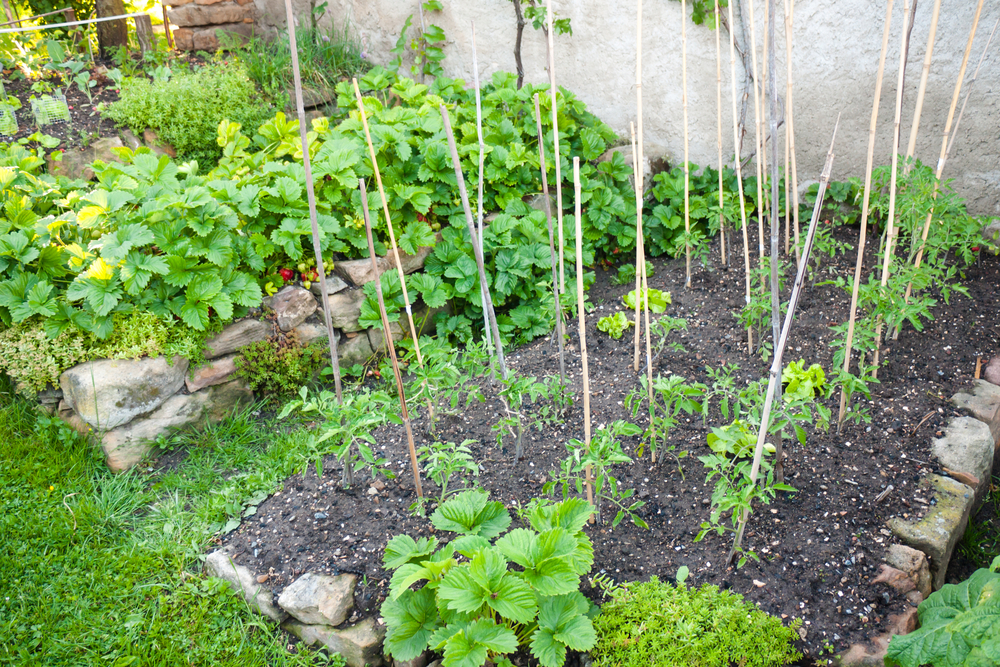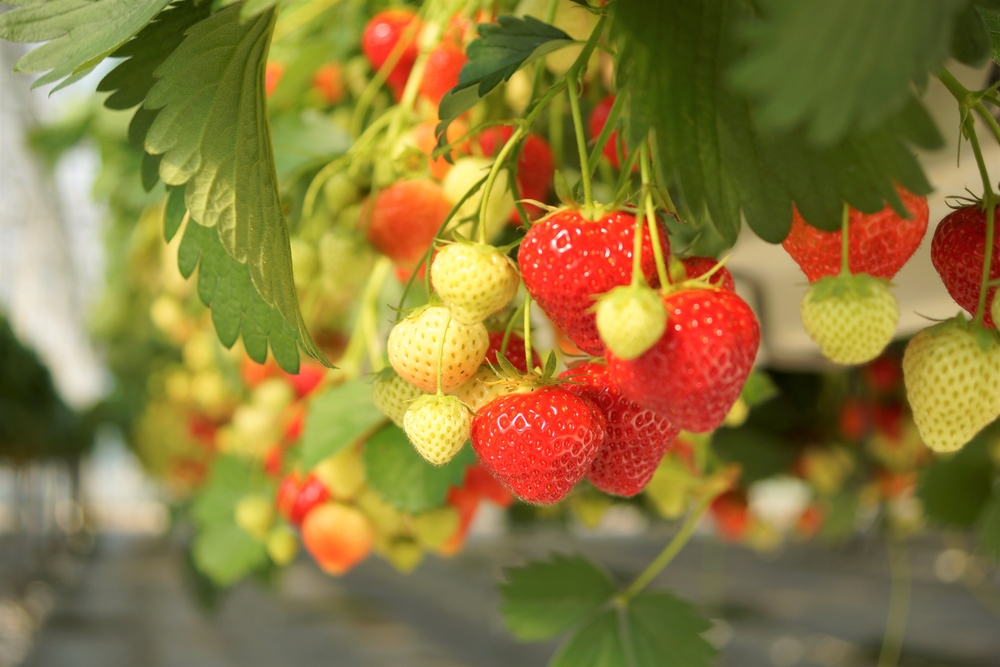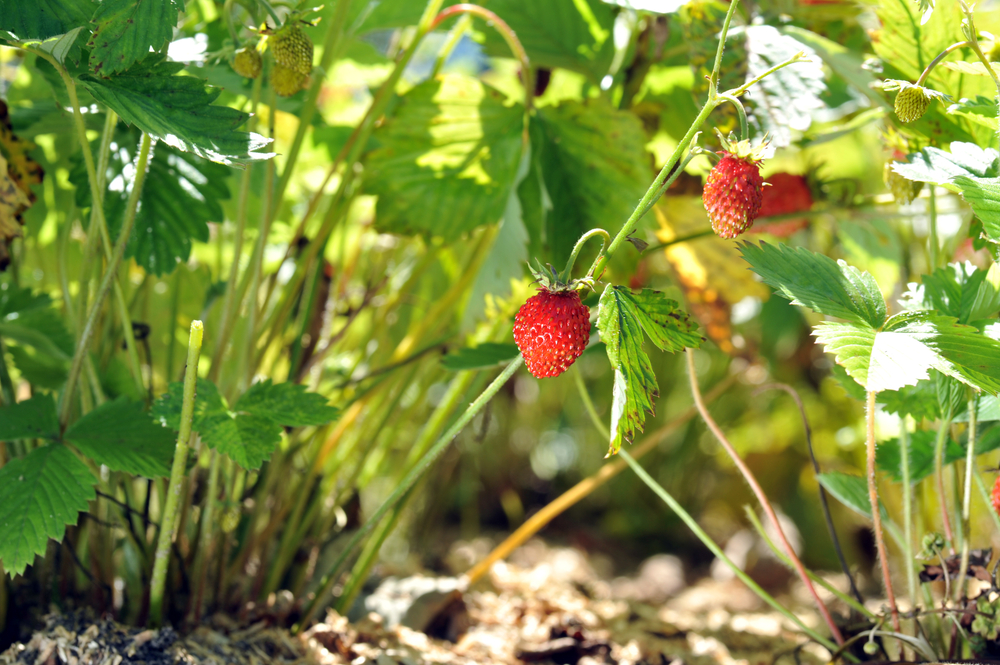
Not everyone has the perfect backyard setup or enough space to grow massive garden strawberries. But don’t worry—there’s a fantastic alternative: alpine strawberries (or wild strawberries). These little gems are native to our neck of the woods, way easier to care for than their giant cousins, and they’re perfectly happy living in containers on your balcony or patio.
The Perfect Spot for Your Wild Strawberries
If you’ve ever spotted these growing in the wild, you know they aren’t too picky. You’ll find them along sunny forest edges, tucked away in dappled shade between trees, or even right under tall hardwoods. However, they rarely sit in the scorching sun all day long. In your garden, they’ll be happiest in a spot with partial shade. They especially appreciate a break from that intense midday heat.
Try to find a spot that’s a bit sheltered from the wind to mimic their natural forest home. As for the soil, think “forest floor”—you want it loose and rich in organic matter (humus). The closer you can get to their natural habitat, the more these little guys will thrive.
When to Plant and Harvest
The best time to get your alpine strawberries in the ground is mid-summer—July and August are usually the sweet spots. Since these are “everbearing” varieties, they’ll keep you smiling with a steady harvest all summer long. Sure, the berries are much smaller than the jumbo ones you see at the grocery store, but don’t let that fool you. The flavor is incredibly concentrated and way more aromatic!
Pro tip: Only pick them when they are fully ripe. You’ll know they’re ready when they are deep red all over, with no light green “collar” left near the top. Keep the little green leafy cap (the calyx) attached and pinch off a bit of the stem when you harvest. Wild strawberries don’t continue to ripen after they’re picked, and they don’t store well at all. They’re best enjoyed straight from the garden (after a quick rinse, of course!). If you happen to have a huge harvest all at once, they make the most amazing jam.
How to Plant Your Strawberries Like a Pro
Just like with regular strawberries, it’s a good idea to prep your soil a few weeks before planting. This gives the earth some time to settle. Mix in some compost and organic fertilizer (like horn meal) and loosen the soil up well. Heavy, compacted soil is a big “no-no” for any kind of strawberry.
You can start your alpine strawberries from seed or grab some young starts from your local nursery. Either way, give the root balls a good soak in water for at least 30 minutes before planting. While they’re soaking, clear out any weeds and dig your holes—make them about twice as wide as the root ball.
When you’re ready to plant, set them in the ground so the “crown” (the central bud) is right at the soil surface—not buried too deep! Space them at least 8 inches apart, fill in the holes, and give them a generous watering. Finally, add a layer of mulch, like straw or bark mulch, to keep the moisture in. If you’re growing them in pots, just make sure you have a good drainage layer at the bottom so the roots don’t get “wet feet.”