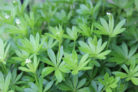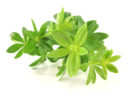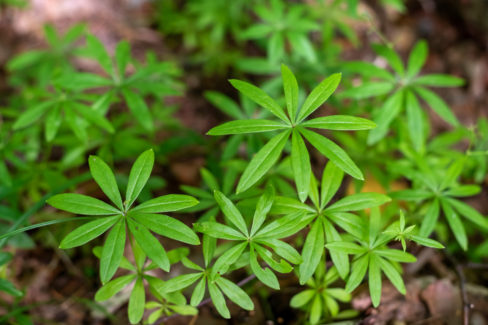
Sweet woodruff is famous for that signature aroma we all love in May wine, but it’s also a fantastic addition to homemade lemonades and herbal teas. While you’ll usually spot this little gem growing wild in the woods, it’s actually super easy to bring a bit of that forest magic into your own backyard.
Ways to Grow Your Own
You’ve got a few great options for growing sweet woodruff at home:
- As a lush groundcover in your garden beds
- Or in pots to brighten up your balcony or patio.
Buying vs. Growing from Scratch
There are plenty of ways to propagate sweet woodruff. You can start your own plants from scratch or just pick up some established ones at your local garden center. Most nurseries also carry seeds if you want to start from the very beginning.
Finding the Perfect Spot
No matter how you choose to grow it, sweet woodruff’s “happy place” remains the same. It absolutely loves shady, damp spots—just like the forest floor where it grows naturally. In your garden, look for a cozy area under large trees or shrubs. If you’re growing it on a balcony, just make sure to keep the pot out of harsh, direct sunlight.
As for the soil, it should be loose, rich in organic matter (humus), and ideally a bit limey. To give your plants a little extra love, mix in some compost or horn meal for a steady nutrient boost.
When to Sow Your Seeds
If you’re planning to sow seeds, timing is everything. You’ll want to get them in the ground between September and October. Why? Because sweet woodruff is a “cold germinator,” meaning it actually needs those chilly winter temperatures to wake up and sprout. I wouldn’t recommend starting them in small pots to transplant later; their roots are incredibly delicate, and moving them often does more harm than good.
Let Nature Do the Work
The great thing about sweet woodruff is that it’s a self-starter! It usually reseeds itself without any help. If you see new little sprouts popping up, you can simply dig them up and move them to a new spot or into a pot.
Transplanting Tips
If your potted woodruff is looking a bit cramped, go ahead and move it to a larger container with fresh soil. In the garden, if it starts spreading a little too enthusiastically, you can carefully thin it out. Just be extra gentle with those sensitive roots when you’re moving them to their new home, and make sure the new spot is just as shady and moist as the old one!