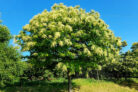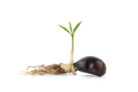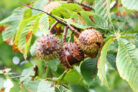
If you want to enjoy a bountiful harvest of sweet chestnuts, getting the environment just right is key. Giving your tree the best possible start ensures it’ll thrive for years to come—and trust me, you’ll be enjoying more than just the delicious nuts! Here’s how to set your chestnut tree up for success.
Finding the Perfect Spot
Before you grab your shovel, you need to scout out the right location. While sweet chestnuts are pretty hardy once they’re established, young trees can be a bit sensitive to those late spring frosts. Generally speaking, these trees love a milder climate, which is why you won’t see massive groves of them in colder, northern regions.
Here’s what to look for:
- A sunny spot
- Protection from harsh winds location
- Neutral to slightly acidic soil
- Great drainage (no soggy feet!)
Keep these needs in mind when picking a corner of your garden. If you live in a cooler or windier area, tucking the tree into a sunny, sheltered nook is your best bet. Just a heads-up: don’t plant it too close to your house. Those massive roots are powerful and can cause structural issues over time. Plus, these trees need plenty of “elbow room” to spread out and soak up nutrients.
The Best Soil for Sweet Chestnuts
Sweet chestnuts are happiest in neutral to slightly acidic soil. The good news? They aren’t super picky about high nutrient levels—they’re actually quite modest in that department. However, they *really* dislike lime, so avoid adding it or planting in high-lime soils.
During long, dry summer spells, you’ll want to give your tree a little extra water. Otherwise, those deep, strong roots are excellent at pulling moisture from deep underground. The most important thing is to ensure the soil is well-draining. Sweet chestnuts are very sensitive to standing water, which can lead to root rot or fungal infections.
How to Plant Your Tree
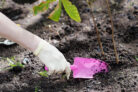
Start by digging a hole that is twice as wide as the root ball. Naturally, the bigger the tree you’re planting, the more digging you’ll have to do! Loosen up the soil at the bottom of the hole first to help the roots penetrate easily. I like to toss in some horn shavings (a great slow-release organic fertilizer) before setting the tree in.
Place your chestnut tree in the hole, fill it back up with soil, and gently tamp it down with your foot. Finish off with a layer of bark mulch on the surface and give it a thorough watering to help it settle in.
To keep your tree happy, you can fertilize it periodically. They especially love potassium. Honestly, if you just top-dress the area with some well-aged compost, you’re already meeting most of its needs. As far as garden maintenance goes, the sweet chestnut is actually a pretty low-maintenance companion!