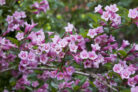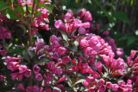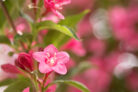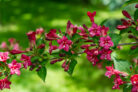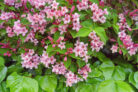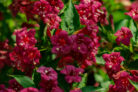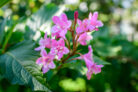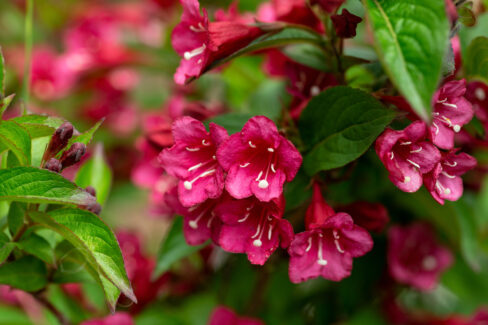
With their vibrant, decorative blooms, weigelas are a total highlight in any garden—and if you play your cards right, you can even enjoy them twice a year! Good care goes a long way in making those flowers pop. I’ve broken down everything you need to know about the weigela blooming season right here.
When do weigelas bloom?
You can usually expect to see those first blossoms popping up around mid-May. The main show typically lasts several weeks through June, and if the weather stays on your side, you might even see flowers sticking around into July. If you’re looking for a marathon bloomer, check out the dwarf variety “All Summer Red.” It’s perfect for containers and is the only weigela that keeps the flower power going all summer long.
What colors do weigelas come in?
The color palette really depends on which variety you pick, so you can definitely find one that matches your garden’s vibe. Here are some popular options to help you choose:
- White: Snowflake or Candida
- Golden Yellow: Diva or Gold Weigela
- Pink: Nana, Purpurea, or the classic Old Fashioned Weigela
- Red: All Summer Red, Red Prince, or Bristol Ruby
Beyond just picking a color, make sure your shrub gets plenty of sunlight at its planting site and has enough elbow room away from its neighbors. If it’s stuck in the shade, your weigela won’t bloom, and even partial shade can seriously cut down on the number of flowers you get.
How can I help my weigela bloom its best?
Even though weigelas are pretty low-maintenance as far as ornamental shrubs go, they shouldn’t be totally ignored if you want a spectacular show. To keep them happy, make sure to fertilize regularly and give them a strategic pruning.
If you’re growing your weigela in a pot, you’ll need to do a little extra work. Every three to four years, give the roots a “rejuvenation prune” if you notice the plant isn’t flowering as much as it used to. This is the secret to keeping them healthy in containers long-term. Also, don’t forget to provide some solid winter protection to keep them safe during the cold months!