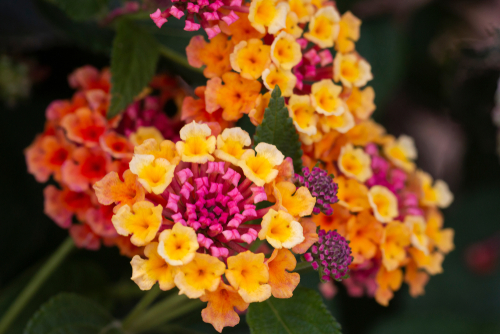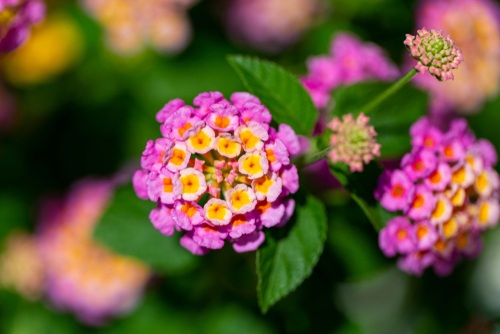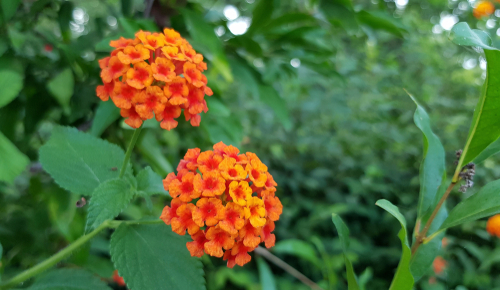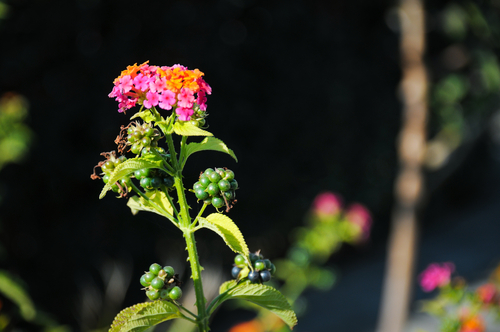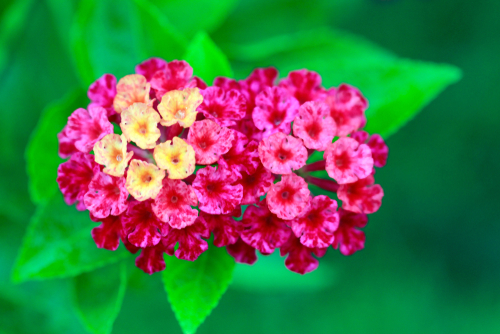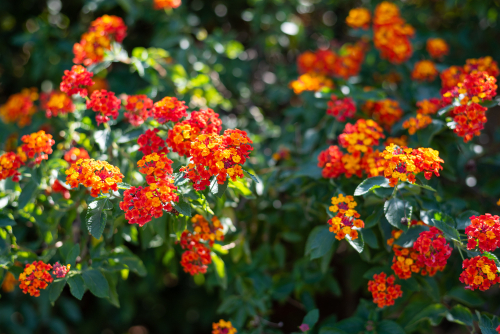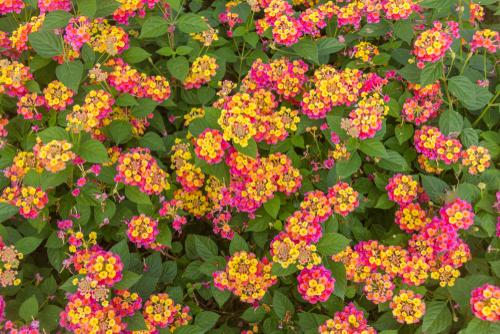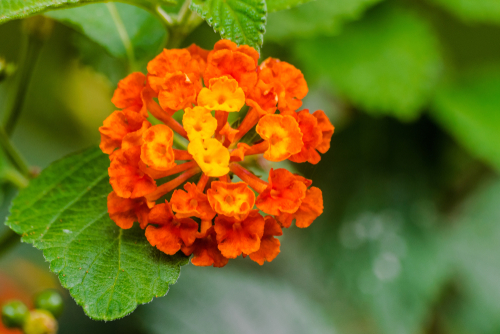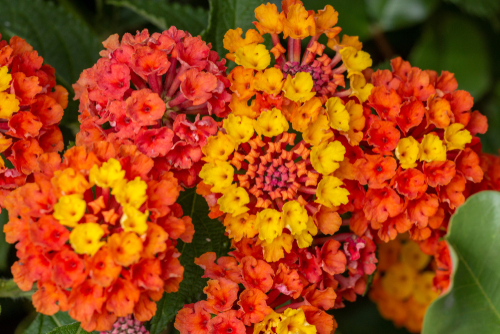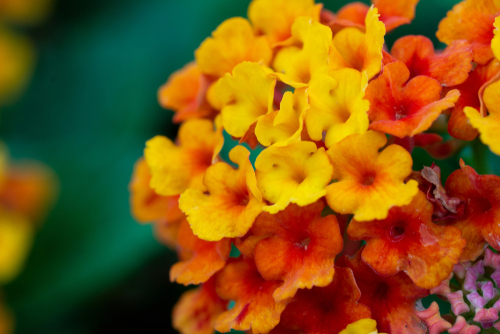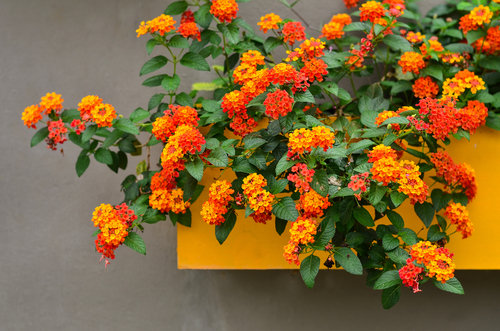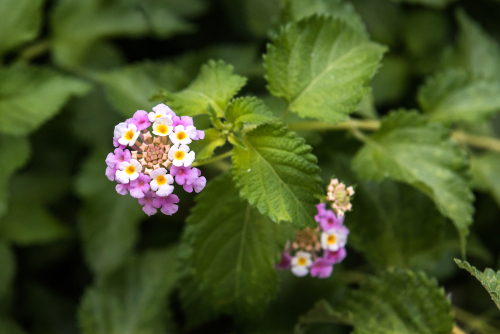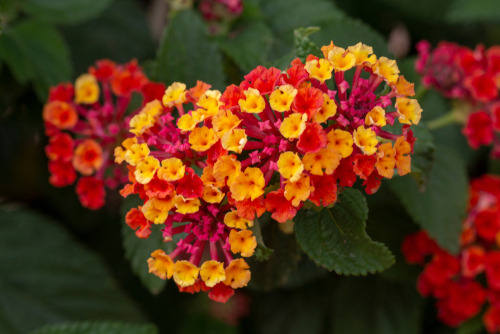
With their stunning, color-changing blooms, Lantanas are easily one of the most popular choices for a vibrant balcony or patio. If you want to get the most out of their spectacular flowering season, it’s all about setting them up for success right from the start. That begins with picking the perfect spot.
Finding the Right Spot
If you want a plant covered in blossoms, you’ve got to give it plenty of sunshine. Ideally, your container should sit in the sunniest spot you have. If your space is a bit limited, Lantanas can handle partial shade, but they really need at least three hours of direct sunlight a day to thrive and stay healthy.
Rich, Nutrient-Dense Soil
The blooming season for Lantana is impressively long, stretching from June all the way into October. Because they work so hard to produce those flowers, they are hungry plants! When potting them, use a high-quality potting mix designed for flowering plants. If you prefer a DIY approach, mixing some garden soil with fresh compost works wonders too.
Avoid “Wet Feet”
While Lantanas are pretty tough, they have one major weakness: soggy soil. To prevent diseases like root rot, you need to make sure your soil drains well. I recommend mixing a little sand into your potting soil and adding a layer of expanded clay pebbles (like LECA) at the bottom of the pot for drainage.
Propagating Your Lantana
Want more plants for free? You can easily grow new Lantanas from cuttings. Here’s how to do it:
- Snip off a tip cutting that has at least two pairs of leaves.
- Dip the cut end into some rooting hormone powder.
- Plant the cutting in a mix of peat and sand (or a seed-starting mix).
- Cover it with a clear dome or even a simple plastic bag to keep the humidity in.
Usually, you’ll see new roots developing in about two to three weeks. Once they’re established, they’re ready to be moved into their own permanent pots!