With the right selection of plants, those dry, sun-drenched spots in your yard can be transformed into a lush, blooming oasis. We’ve rounded up nine of the most popular plants for sunny, drought-prone areas—plus a little “insider tip” to round out your garden.
[[pflanzen]]
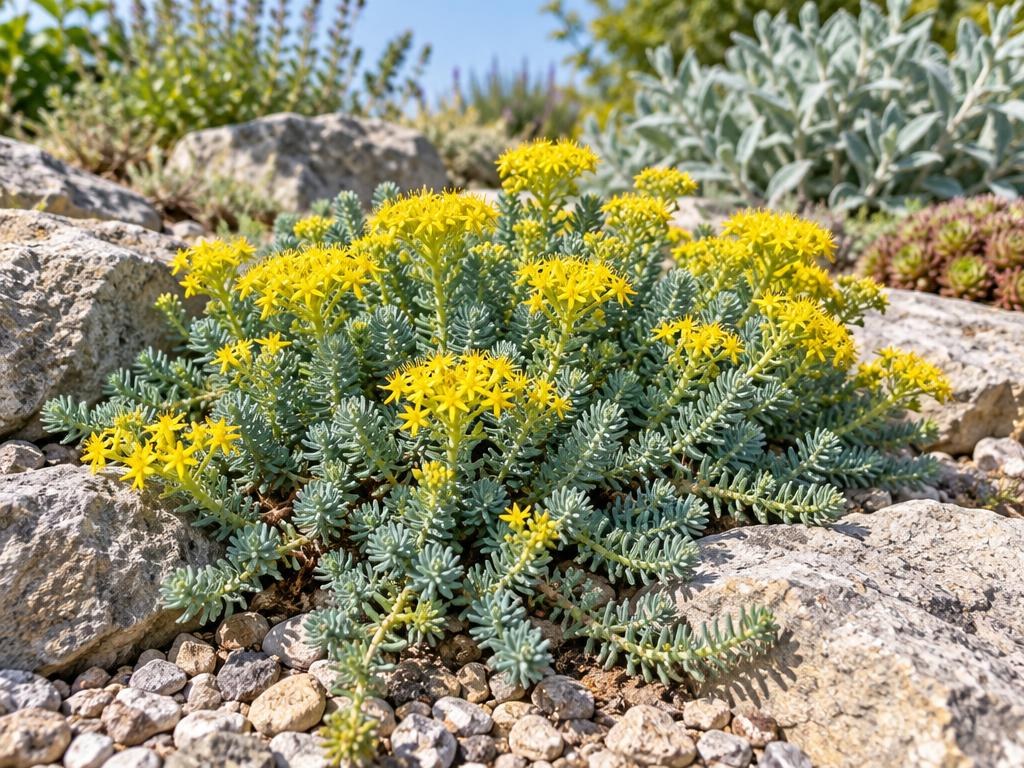
++Stonecrop (Sedum telephium)

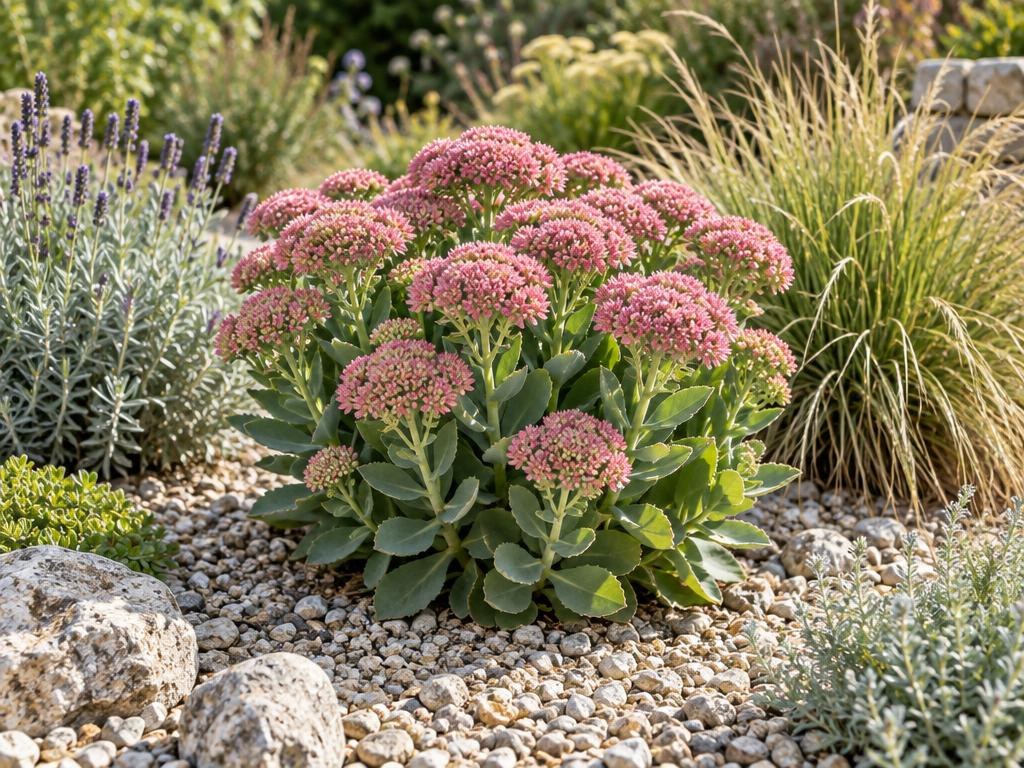
This low-maintenance perennial is a late-summer superstar that handles heat and drought like a pro. From its thick, fleshy leaves in the spring to its vibrant blooms and frost-covered seed heads in the winter, it offers year-round interest. The red, pink, or white flower clusters aren’t just pretty to look at—they’re packed with nectar, making them a magnet for bees and butterflies.
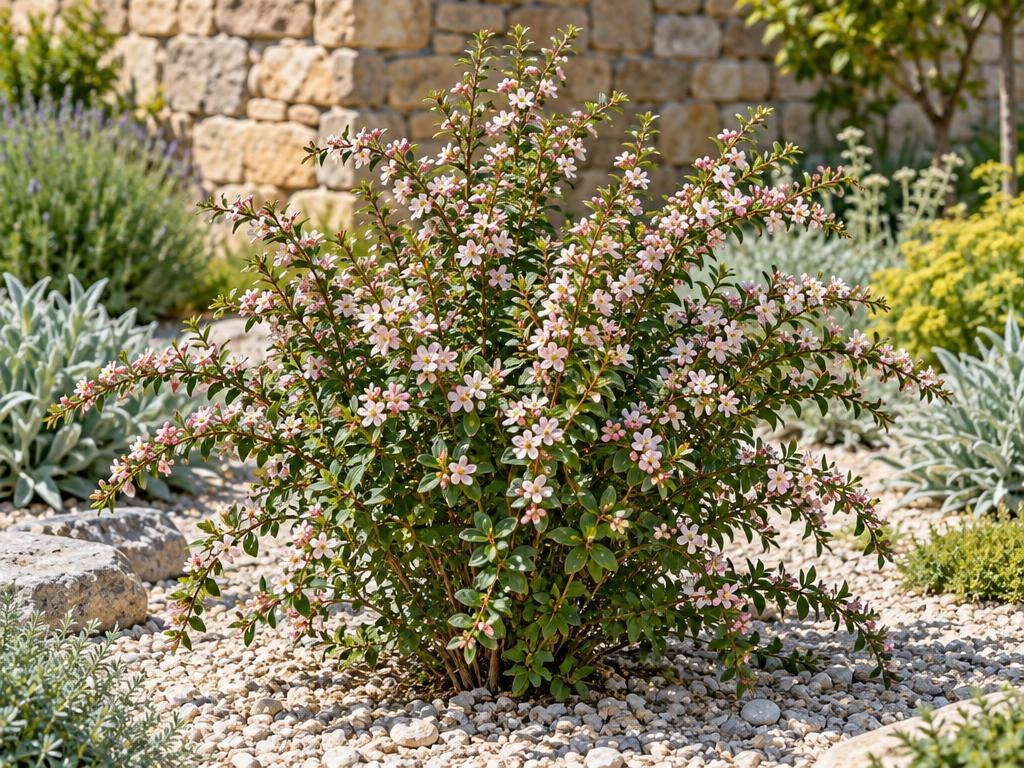
++Bee Blossom (Gaura lindheimeri)

Easy-going and sun-hungry, Gaura (also known as Wand Flower) uses its delicate flower spikes to brighten up spots where other plants might struggle. What’s really cool is that each individual flower only opens for a single day. However, because the plant constantly pumps out new buds, it stays covered in pinkish-white blooms all summer long. Its tough, leathery leaves are a classic drought-resistant trait, helping to prevent moisture loss.
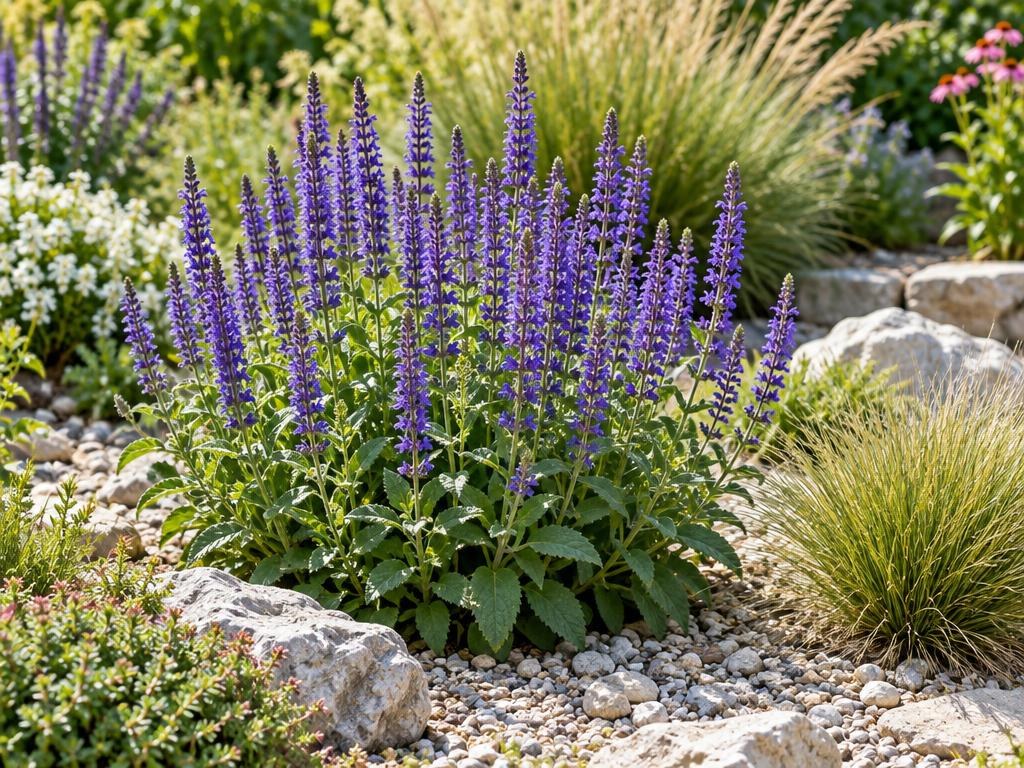
++Speedwell (Veronica)

Speedwell loves a spot in full sun. While the taller varieties in this family prefer a bit more moisture, many of the low-growing, cushion-forming types feel right at home in dry, well-draining soil. Most Speedwell varieties produce striking blue flower spikes, though you can also find cultivars in white or pink. If you leave them to their own devices, they’ll eventually spread into beautiful, flowering mats.
++Tickseed (Coreopsis)

The cheerful, sunny-yellow blooms of Coreopsis—often featuring a deep red center—will keep your garden glowing from June all the way into October. Newer varieties come in shades of white, pink, red, or even bronze. Depending on the variety, these perennials can range from 4 inches to 6 feet tall. They’re also a favorite for cut flower arrangements, often lasting up to two weeks in a vase.
++Coneflower (Echinacea)

This hardy perennial is a sun-lover with very low water needs. While the classic yellow varieties are popular, you can also find Echinacea in shades of pale purple, orange, or deep violet. They are absolute pollinator magnets; you’ll see bees and butterflies buzzing around them almost constantly. If you deadhead the spent blooms regularly, they’ll keep producing new flowers until October.
++Butterfly Bush (Buddleja)

There are about 100 species of Butterfly Bush worldwide, many of which thrive in hot, dry, full-sun locations. Depending on the variety, these shrubs can grow upright or more compact. They produce nectar-rich flower panicles that butterflies simply can’t resist. Just a heads-up: because they can be prolific self-seeders, it’s a good idea to prune back faded flowers to keep them from spreading where they aren’t wanted.
++Catmint (Nepeta)

This long-blooming perennial is incredibly easy to care for, winter-hardy, and drought-resistant. Varieties with silvery-gray foliage are particularly good at handling long dry spells. Starting in April, Catmint produces clusters of tiny white, pink, purple, or blue flowers. These are a major hit with all kinds of beneficial insects.
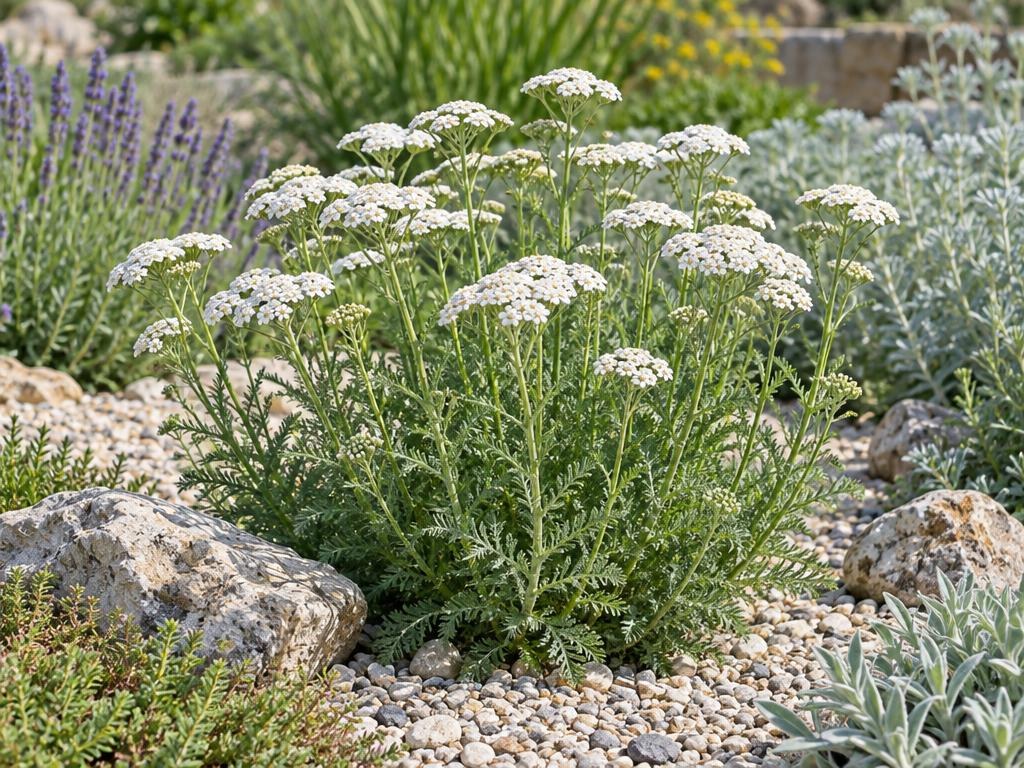
++Yarrow (Achillea)

Yarrow comes in many shapes and sizes. Low-growing varieties create dense mats that cover ground over time, while taller types (up to 5 feet!) make a bold statement in the back of a sunny border. These hardy, low-maintenance plants feature flat-topped flower clusters in yellow, pink, red, or bicolor combinations that hold their color for a long time.
++Creeping Thyme (Thymus praecox)

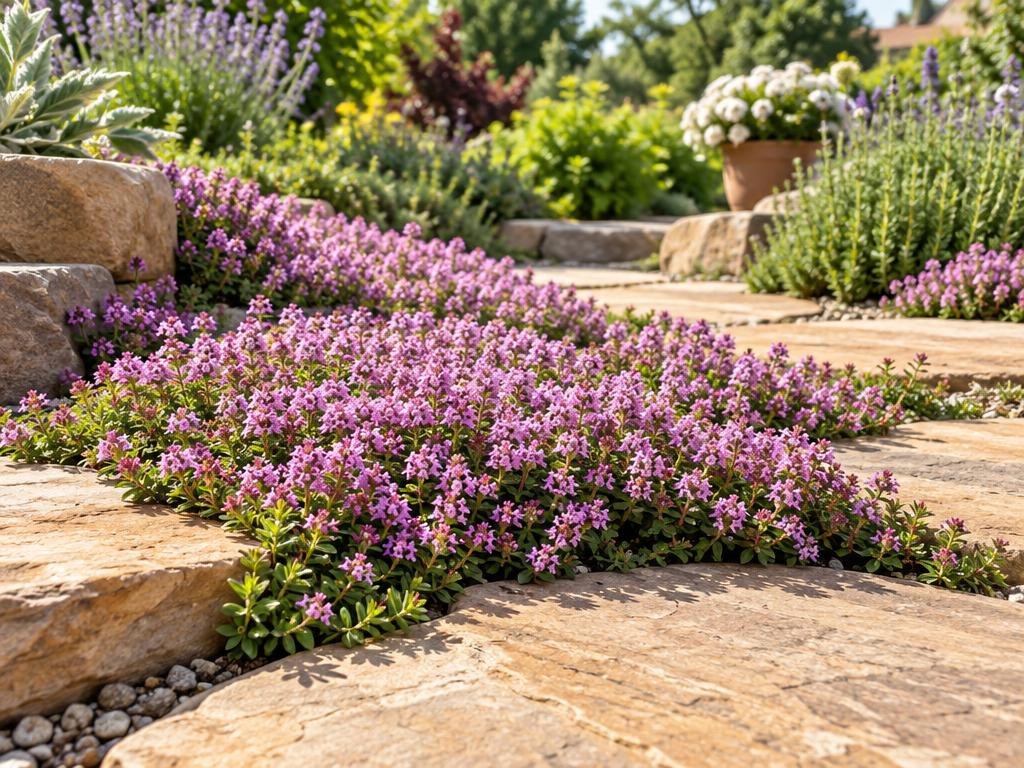
In dry, sunny spots, Creeping Thyme forms wonderful, fragrant carpets of flowers that pollinators love. Since it’s evergreen, you won’t be left with bare patches during the winter. The pink to crimson flowers appear from June through August. It requires almost no maintenance, though a quick trim after flowering helps the plant stay tidy and prevents it from putting all its energy into seed production.
%%Blue Eryngo / Sea Holly (Eryngium planum)

In the wild, Sea Holly loves sunny, sandy locations. These hardy perennials grow upright and have a slightly “architectural” look, adding great structure to your garden beds. The gray-green foliage is prickly and unique, but the real showstoppers are the metallic blue, globe-like flower heads surrounded by spiky bracts. They make excellent, long-lasting cut flowers and look fantastic in dried arrangements too.