
With climate change making our summers hotter and drier, many of us are noticing our favorite garden plants struggling to keep up. If you’re tired of dragging the hose around every evening, it might be time to look into shrubs that can actually handle a little thirst. We’ve rounded up seven of the best drought-tolerant shrubs for your yard, plus a little “insider tip” at the end!
[[pflanzen]]
++Cotoneaster
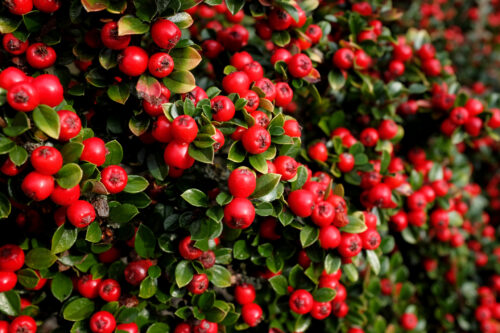
The Cotoneaster genus includes about 90 species, and honestly, they’re all champions when it comes to handling heat and dry spells. They feature small, smooth-edged leaves and put on a lovely show in May and June with clusters of white, pink, or red flowers. If you love watching bees and butterflies, this is a must-have for your pollinator garden. Later in the season, you’ll see bright orange, red, or brown berries that look like tiny apples. Birds love them, but keep in mind they are mildly toxic to humans.
++Barberry (Berberis)
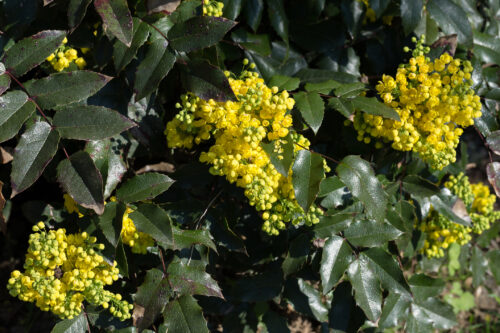
Neither drought nor scorching sun can phase the rugged Barberry. Depending on your climate and the specific variety, these shrubs can be deciduous or evergreen. You can recognize them by their oval leaves and long, thin stems armed with very sharp thorns (great for a natural security hedge!). In May, they produce small yellow flowers that insects adore, followed by red, purple, or black berries that serve as a favorite snack for local birds.
++Broom (Genista)
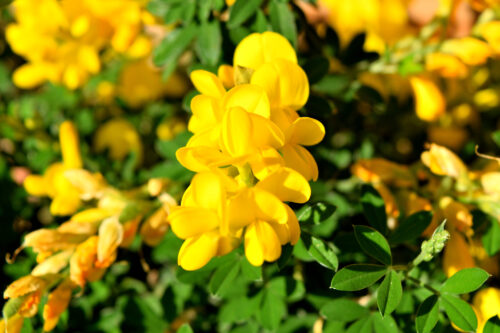
If you want to see Broom really thrive, plant it in the hottest, driest spot you have. This plant is a true drought specialist; it actually drops its leaves early in the year to prevent water loss through evaporation. Starting in April, it explodes into a sea of (usually) bright yellow pea-like flowers. While they don’t produce nectar, they are packed with pollen, making them a popular stop for honeybees and bumblebees.
++Common Juniper (Juniperus communis)
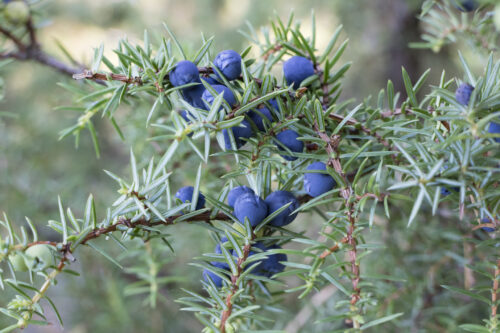
Incredibly adaptable, the Common Juniper is one of those “set it and forget it” shrubs that handles heat and drought like a pro. This evergreen conifer has sharp, needle-like leaves and has been used as a medicinal plant since the Middle Ages. Those juniper berries we use for seasoning are actually tiny cones that darken as they dry. Just a heads-up for the patient gardener: it can take up to seven years for a newly planted juniper to start producing fruit!
++Butterfly Bush (Buddleja)
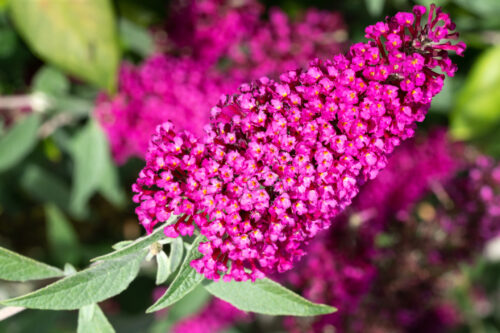
Originally hailing from tropical and subtropical regions, the Butterfly Bush is perfectly adapted to intense heat. Depending on the variety, these shrubs can reach anywhere from 5 to 13 feet tall. From July onwards, they produce long, stunning flower spikes in white, pink, lilac, or deep purple. Their sweet honey scent is like a magnet for butterflies. Since they can be quite vigorous spreaders, it’s a good idea to deadhead the spent flowers before they drop seeds.
++Hawthorn (Crataegus)
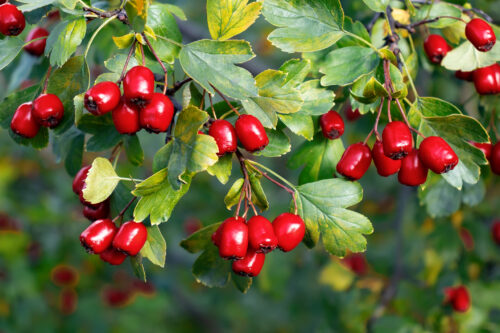
This hardy shrub isn’t picky about soil and handles long dry spells and summer heat with ease. Some varieties even offer a gorgeous orange-red show in the fall. In May and June, you’ll see clusters of white or pale pink flowers that are a major nectar source for bees. Those flowers eventually turn into small pome fruits that can actually be used to make a pretty delicious wild fruit jam.
++Sea Buckthorn (Hippophae rhamnoides)
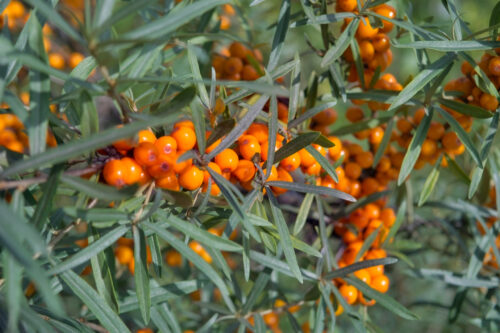
Make sure to give Sea Buckthorn plenty of elbow room in your garden. While it’s great with drought and wind, it’s a total sun-worshiper. This shrub produces small yellowish flowers from March to May. If you have a female plant, you’ll get those famous bright orange berries that are a superfood powerhouse for juices or jams. Just a pro tip: wear sturdy gloves when harvesting to protect yourself from the sharp thorns!
%%Burnet Rose / Scotch Rose (Rosa pimpinellifolia)
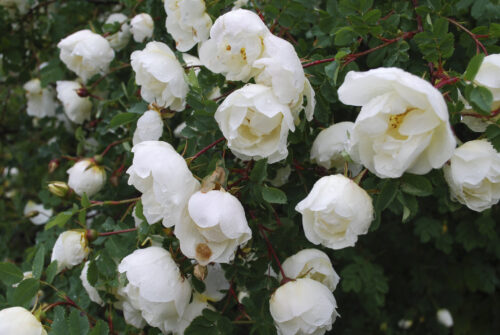
Here is our secret favorite: No matter how poor or dry the soil is, the Burnet Rose will still dazzle you with its blooms. High winds, summer heat, and freezing winters don’t bother this tough-as-nails shrub one bit. The cup-shaped flowers open in May and June in shades of white, pink, or yellow, releasing a delicate scent that pollinators love. After the flowers fade, you’re left with unique dark red to blackish-brown rose hips that provide a vital winter food source for birds.