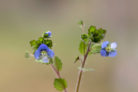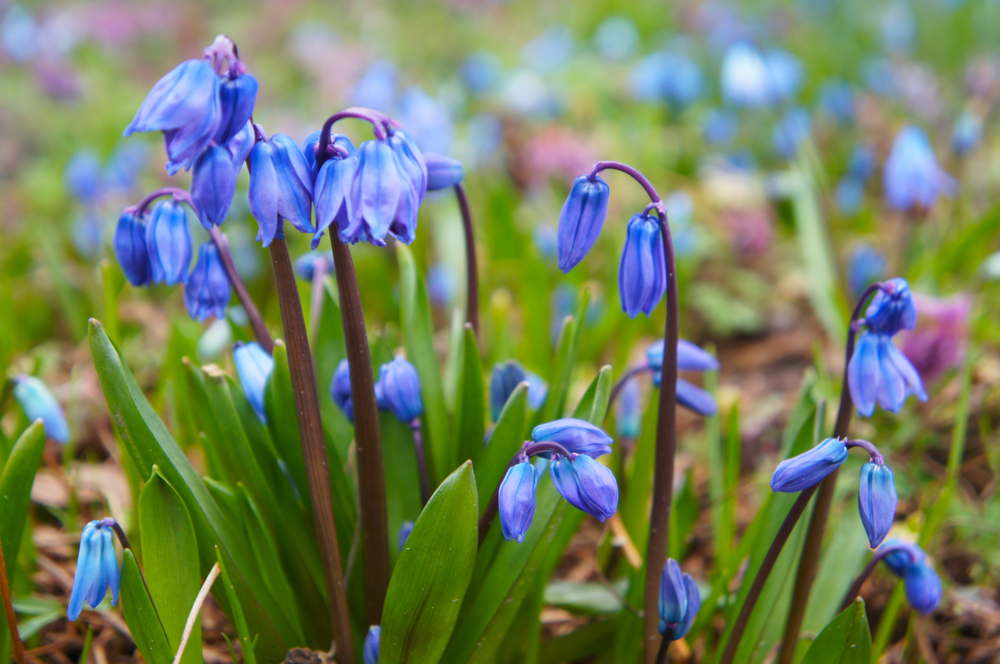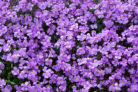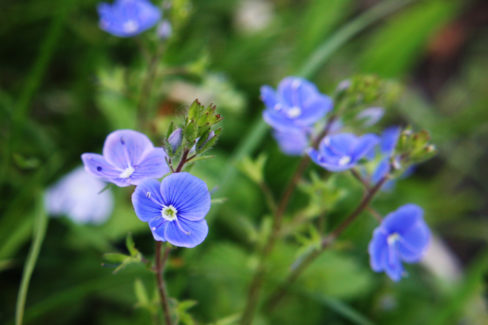
Speedwell, or *Veronica*, is a world-famous plant with over 400 different species to its name. While you’ll find about 50 varieties growing wild across Europe, it’s also a total superstar in the home garden. With its signature blue blooms, it’s the perfect eye-catching addition to any perennial bed.
Quick Facts
This delicate, low-growing beauty is easy to fall in love with. Here’s the lowdown on everything you need to know:
- Botanical Name: *Veronica officinalis*.
- Common Names: Speedwell, Common Speedwell, Gypsyweed, or Paul’s Betony.
- Plant Family: Part of the Plantain family (*Plantaginaceae*).
- Life Cycle: Depending on the variety, it can be an annual or a perennial.
- Natural Habitat: You’ll spot it under hedges, in meadows, fields, vineyards, and along roadsides.
- Size: Usually stays pretty compact, reaching about 8 to 12 inches in height.
- Bloom Time: Generally from April through autumn, though it varies by species.
- Flower Colors: Gorgeous clusters of blue, violet, pink, or white.
- Planting Window: Best to sow seeds between March and May.
- Ideal Spot: It loves a sunny, sheltered location away from harsh winds.
- Soil Preference: It thrives in nutrient-rich, loamy soil.
- Uses: It’s a double threat—both a medicinal herb and a culinary spice!
Popular Varieties
With so many types out there, a few favorites really stand out for home gardeners:
- Spiked Speedwell (*Veronica spicata*)
- Germander Speedwell (*Veronica chamaedrys*)
- Large Speedwell (*Veronica austriaca*)
- Persian Speedwell (*Veronica persica*)
How to Use It
Speedwell has a long history as both a healing herb and a kitchen staple. For centuries, folks have used it to treat various ailments thanks to its powerhouse ingredients like essential oils, lactic acid, resins, tannins, and saponins. Historically, it was a go-to for:
- Rheumatism
- Gout
- Liver issues
- Women’s health concerns
- Bronchitis and the common cold
Even today, Speedwell teas and tinctures are great natural remedies. When brewed as a tea, it can help:
- Boost appetite
- Purify the blood
- Act as an expectorant (clear out mucus)
- Stimulate the metabolism
If you use it as a tincture, it’s fantastic for soothing skin problems and inflammation. In the kitchen, the flowering herb adds a lovely, slightly bitter kick to salads—it’s especially tasty in wild herb mixes. You can also mix the herb and flowers into coarse salt to make your own savory herb salt. Plus, those tiny blue flowers make a stunning edible garnish for open-faced sandwiches, cheese platters, or savory yogurt dips!