Looking for plants that can handle a little heat and dry soil? You’re in the right place! These popular picks are favorites for a reason—they’re tough, beautiful, and perfect for adding character to your garden without constant watering. Here’s a look at why they’re so beloved and what makes them stand out.
[[pflanzen]]
++Common Yarrow (Achillea millefolium)
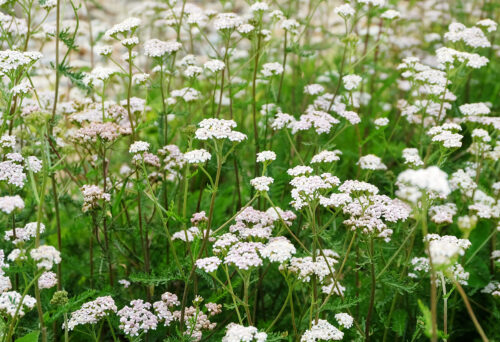
Yarrow has been a staple in herbal medicine for centuries—you might even know it as a classic ingredient for herbal teas. But it’s not just functional; its lovely, typically white flower clusters are a magnet for pollinators. If you have a dry spot in your yard, yarrow is a fantastic choice. It’s incredibly low-maintenance and is often found thriving in the wild on gravelly soil or along roadsides.
++Wood Sage (Salvia nemorosa)
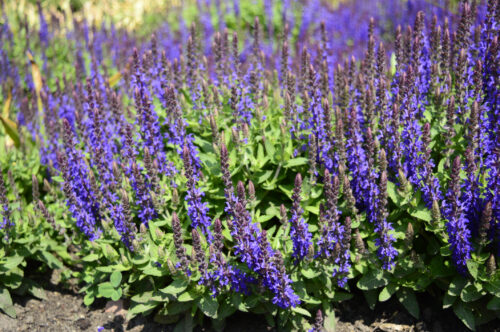
Unlike common culinary sage, Wood Sage (or Woodland Sage) isn’t for the kitchen—it’s for the view! This plant puts on a spectacular show with its vibrant, upright flower spikes. It blooms from June through August, bringing a bold splash of color to your garden during the peak of summer. It’s very drought-tolerant and handles dry locations like a pro.
++Catmint (Nepeta x faassenii)
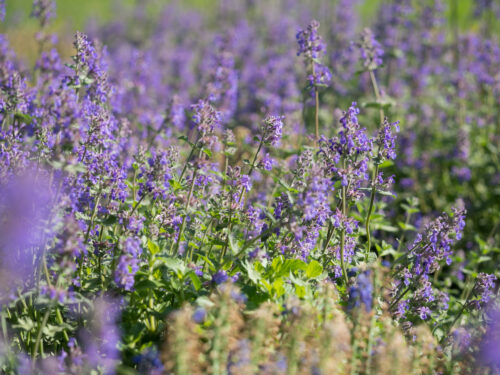
As the name suggests, cats absolutely love the scent of this plant’s flowers, but many gardeners find the fragrance quite pleasant too! The real selling point, though, is the gorgeous violet-blue haze the flowers create. Catmint is a perfect way to brighten up sunny spots in your garden. Since it doesn’t need much water, it’s a great “set it and forget it” plant for busy gardeners.
++Rock Cress (Aubrieta)
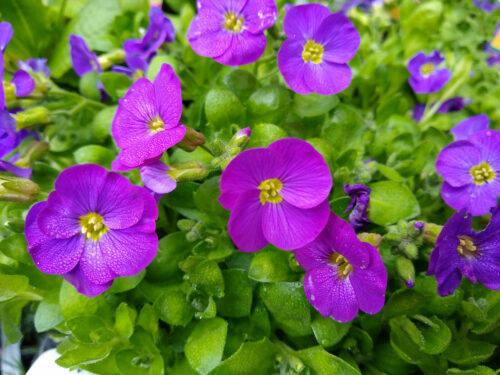
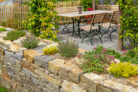
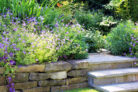
Rock Cress creates a stunning “cushion” of colorful foliage and flowers in your garden. It’s a go-to groundcover for rock gardens or steep slopes. Because it loves the sun and doesn’t mind dry conditions, it’s perfect for softening the look of stone walls. It also does surprisingly well in sunny containers. You can expect the Rock Cress bloom season to kick off in April.
++Tickseed (Coreopsis)
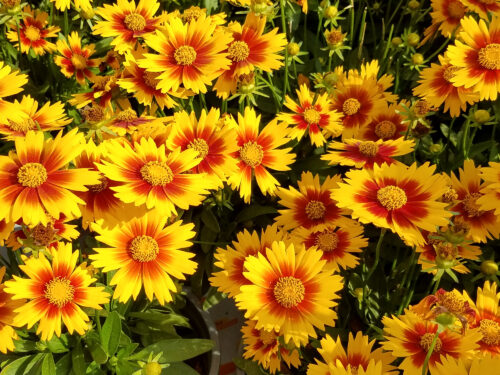
If you want a pop of sunshine, Tickseed is your best friend. These bright yellow flowers are visible from a mile away! While it’s native to North America, it’s now a favorite in gardens all over the world. It thrives in full sun and handles dry soil well. Just a quick tip: make sure the soil has some nutrients, and you’ll be rewarded with even more blooms during the Tickseed flowering period.
++Rosemary (Salvia rosmarinus)
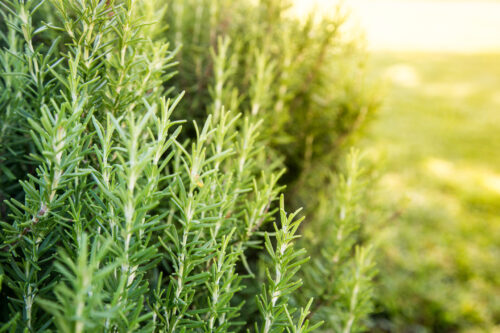
Rosemary is an excellent choice for dry, sandy soils. While most people think of it as just a kitchen herb, it can actually grow into a substantial shrub or even a low hedge. It’s incredibly drought-resistant once established. Plus, you get that amazing signature scent whenever you brush against the needles. It even produces delicate little flowers, and of course, you can always snip a few sprigs to level up your cooking!
++English Lavender (Lavandula angustifolia)
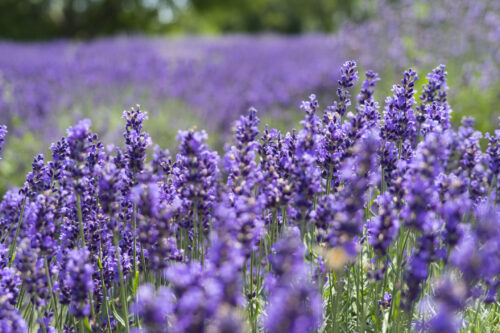
Is there anything more iconic for a dry garden than Lavender? Its purple blooms instantly bring to mind the rolling fields of the Mediterranean and are a total bumblebee magnet. Beyond its famous scent, lavender is also used in everything from sachets to desserts. There are quite a few varieties out there, so it helps to know how to identify true English Lavender.
++Barrenwort (Epimedium)
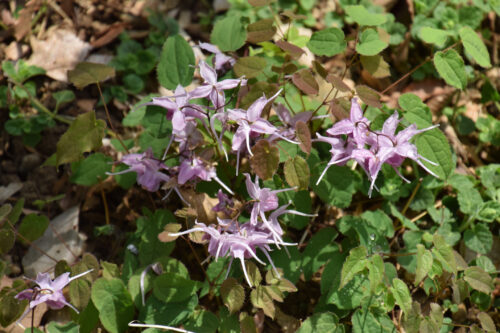
Looking for a “pro tip” for those tricky dry spots? Barrenwort (also known as Fairy Wings) is a hidden gem. It features whimsical, delicate flowers starting in April and beautiful heart-shaped leaves. Unlike the others on this list, this one actually prefers shady areas. Adding a little compost or humus to the soil will really help it take off. Just keep in mind that Barrenwort is mildly toxic, so plant it with care.