We all know that a balanced diet is just as important for our four-legged friends as it is for us. Adding a little variety with fruits and veggies can do wonders for a dog’s health, but if you’ve ever wondered about pomegranates, the answer is: yes, but in moderation!
Packed with Healthy Nutrients
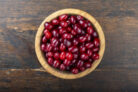
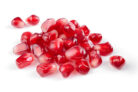
A lot of folks don’t realize just how much nutritional power is packed inside a pomegranate. When we eat them, we’re really only after those juicy little arils (the seeds and their fleshy coating). The rest of the fruit is either inedible or just plain bitter.
Here’s what’s inside those seeds:
- Vitamins
- Minerals
- Trace elements
- Antioxidants
Pomegranates are especially high in Vitamin C, which is a fantastic addition to any dog’s diet. Generally speaking, these fruits help protect cells and give a nice boost to the immune system for both humans and pups alike.
No Toxic Surprises
When it comes to feeding seeds or nuts to dogs, we usually have to be super careful. Many fruit pits and seeds contain toxic compounds like cyanide, which the plant uses as a natural defense against bacteria and decay. Since dogs tend to crunch down on seeds rather than swallowing them whole, those toxins can be dangerous.
The great news? Unlike many other fruits, pomegranate seeds don’t contain those toxic substances. If you don’t want to feed the whole seeds, you can always mix a little juice into their kibble and save the seeds for planting instead!
Keep Portions Small
Balance is the name of the game for a healthy pup. You should only offer pomegranate in small amounts—mixing a little into their food once a week is plenty to provide a healthy vitamin boost. They don’t make the best standalone snacks, though, simply because they’re too tiny to give your dog any real chewing satisfaction.
You can serve the seeds fresh or dried. Dried seeds are convenient because they last a long time, but keep in mind that the drying process reduces the vitamin content, making them more of a fiber supplement than a nutrient powerhouse.
Another option is to freeze them. While frozen seeds might lose a bit of liquid when they thaw, you can just pour that juice right over their food. If you decide to go the juice route, just be careful not to overdo it. Since it takes a lot of seeds to make a small amount of juice, it’s easy to accidentally give them too much at once!