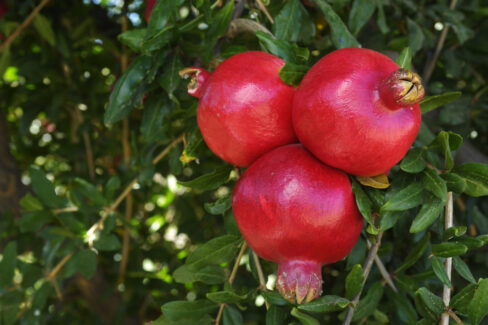
If you’ve ever dreamed of growing your own pomegranates, you’re in luck! You can start these beauties from either seeds or cuttings. Both methods work pretty well, but if you’re impatient to see those gorgeous red flowers, I’d definitely recommend going the cutting route—it’s much faster.
Cuttings
The best time to take cuttings is in early spring, just before the tree starts its new growth spurt. Aim for pieces that are at least 4 inches long, though 8 inches is really the sweet spot. Stick them about a third of the way deep into some good seed-starting mix and keep the soil consistently moist. If you can keep them around 68°F (20°C), they’ll root much faster. Usually, you’ll see roots forming in about four to six weeks. Once your little guys start sprouting leaves, it’s time to repot them into a more nutrient-rich potting soil.
Why go with cuttings?
- They root super fast.
- You’ll get flowers much sooner.
- The new plant will be a “clone” (genetically identical) of the parent.
- It’s honestly less work!
Seeds
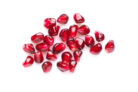
To grow from seed, you’ll need a pollinated flower that’s turned into a ripe fruit—or you can just grab a pomegranate from the grocery store! Just a heads-up: seed-grown trees can be a bit finicky. Often, they won’t bloom at all, or it might take over ten years to see a single flower. Still, they make lovely deciduous shrubs even without the fruit, and they’re great to use as rootstock if you’re into grafting.
How to plant them:
- Clean all the pulp off the fresh seeds.
- Give them a quick rinse.
- Optional: Soak them in warm water for 24 hours to give them a head start.
- Fill a seed tray or mini-greenhouse with seed-starting mix.
- Spread the seeds out evenly.
- Press them down lightly, but don’t cover them with soil—they need light to sprout!
- Give them a gentle watering.
During the germination phase, don’t let those seeds dry out! They need plenty of light and a cozy temperature between 68°F and 75°F. It can take up to six weeks for them to sprout, so be patient. If you’re using a plastic cover, make sure to lift it every few days to let some fresh air in.
Thinning out your seedlings
Pomegranates aren’t exactly speed demons when it comes to growing, so you can thin them out pretty soon after they sprout. Once the seedlings look sturdy enough to handle, go ahead and move them into a richer soil so they can really start to take off.
One last tip: pomegranates aren’t big fans of the cold. You absolutely have to protect young plants from frost during their first year. Their bark is still thin and sensitive, so I’d bring them inside as soon as the thermometer dips toward 50°F (10°C). A bright, frost-free room kept around 50°F is the perfect winter hangout for your new pomegranate trees.