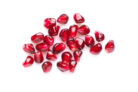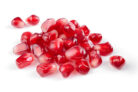
Pomegranates are absolute vitamin powerhouses, but let’s be real—they are mostly seeds! If you’re not a fan of crunching on those little arils, juicing is the way to go. There are a few different ways to get that delicious juice out, and I’m here to walk you through them.
Go for Fully Ripe Fruit
If you want a juice that’s perfectly sweet and fruity, timing is everything. Pomegranates don’t ripen after they’re picked, so you need to make sure you’re starting with a fully ripe one. Here’s a pro tip: unlike most produce, a pomegranate is actually at its best when it starts looking a little “ugly.”
Look for skin that is spotted, bumpy, or even a bit cracked and rough. If the fruit gives slightly when you press on it, that’s a great sign that the seeds inside are juicy and ready. Just make sure there aren’t any soft, rotten spots—that means it’s overripe, and the seeds won’t taste very good.
How to Deseed a Pomegranate
A common mistake people make is just slicing the fruit right down the middle. Don’t do it! You’ll slice through the seeds, and juice will end up everywhere but in your glass. Instead, start at the blossom end and gently break the fruit open. This keeps almost all the seeds intact.
With a perfectly ripe fruit, the seeds should practically fall out on their own. Word to the wise: wear gloves and an apron! Pomegranate juice stains are no joke and are notoriously hard to get out of clothes. If any seeds are being stubborn, just give them a gentle nudge with a spoon.
Juicing the Seeds
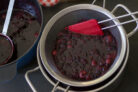
Once you have your seeds, you’ve got options. You can use a steam juicer if you have one, but if you don’t want to buy extra kitchen gadgets, you can just use a pot and some water.
How to juice on the stovetop:
- Put your deseeded arils into a pot.
- Add a splash of water.
- Bring it to a boil and let it simmer for about ten minutes.
- Strain the mixture through a cheesecloth or fine towel.
This method is great if you’re planning to make pomegranate syrup or jelly. The only downside? The water dilutes the flavor a bit. If you want pure, intense juice for drinking, a centrifugal juicer is a better bet. Just avoid “masticating” juicers that grind the seeds, as that can make your juice taste bitter or astringent.
Using a Pomegranate Press
If you find yourself craving this vitamin-rich juice all the time, it might be worth investing in a dedicated pomegranate press. These are different from standard juicers because you can often press the fruit directly without even having to scoop out the seeds first.
The press uses pressure to squeeze the juice straight into your glass. You’ll see these all over the regions where pomegranates are grown—there’s nothing quite like the taste of a freshly pressed, ripe pomegranate!