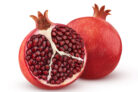
Pomegranates are fresh, fruity, and packed with vitamins—but only if you catch them at peak ripeness. If you pick them too early, they’re incredibly tart and won’t last long on your counter.
Fall is Prime Time
One of the easiest ways to tell if a pomegranate is ready is simply by looking at the calendar. Most pomegranates are grown in the Northern Hemisphere, so just like apples or pumpkins, they hit their peak in the fall. While you might see them in stores during the summer (usually imported from south of the equator), they rarely taste as good. Because they have to travel so far, they’re often picked way too early. Since pomegranates don’t ripen after they’re picked, those summer fruits usually end up being pretty sour.
If you’re lucky enough to have a pomegranate tree in your own backyard, fall is your harvest window. Just a quick tip: make sure to clear off any small, unripened fruit before you tuck your tree in for the winter.
How to Spot a Ripe One
Whether you’re growing your own pomegranate tree or just browsing the produce aisle, you’ll want to do a quick “ripeness check” before committing. Here are the tell-tale signs that a pomegranate is ready to enjoy:
Signs of a ripe pomegranate:
- The skin has an irregular, patchy color.
- The peel feels a bit rough or even slightly cracked.
- The fruit feels firm but gives slightly when pressed.
- The blossom end (the little “crown”) looks dried out.
- It makes a metallic “thud” or “ping” when you tap it.
Avoid any fruit that feels mushy or has soft brown spots. That’s usually a sign it’s overripe or has been sitting on the shelf too long, which often means the inside has turned brown or started to spoil.
Opening Your Harvest
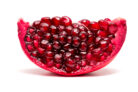
A ripe pomegranate is much easier to open than an unripe one. You actually don’t even need to slice right through it with a knife! You can usually just score the skin near the blossom end and pull the sections apart with your hands.
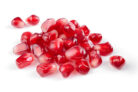
The best part about a perfectly ripe fruit? The seeds (arils) are so plump and juicy that they practically fall out on their own, meaning you won’t lose all that delicious juice in the process. If a few seeds are stubborn, just give them a gentle nudge with a spoon. Pro tip: wear an apron and maybe some gloves! Pomegranate juice is notorious for staining clothes, and those stains are a real pain to get out.
Storage Tips
Because pomegranates don’t continue to ripen once harvested, they actually have a better shelf life than many other exotic fruits. If you keep them in a cool spot (around 50°F), they’ll stay fresh for several weeks.
If you aren’t going to eat them right away, there are plenty of ways to preserve that goodness. Fresh-pressed juice is a total vitamin boost for your morning routine, or you can simmer it down into a syrup. You can also whip up some pomegranate jelly or simply toss the seeds in the freezer if you haven’t decided what to make with them yet!