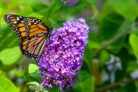
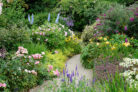
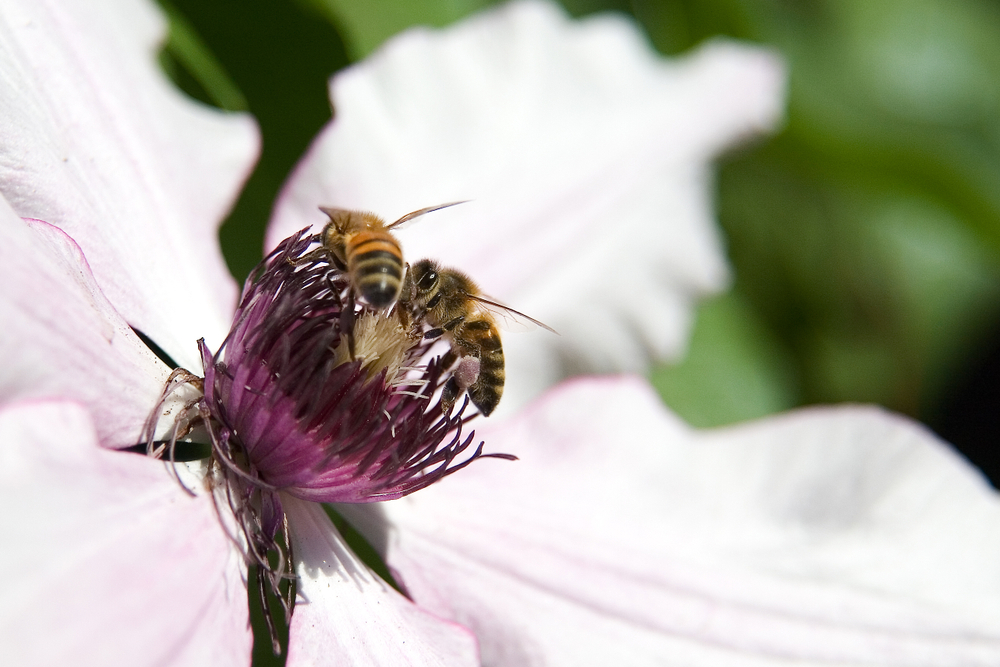
If you want to see your garden fluttering with life, you’ve got to give the local butterflies a reason to stop by. They’re always on the hunt for high-quality nectar and pollen, and if you plant the right stuff, they’ll make themselves right at home. Here are seven of the best plants to attract butterflies, plus one “secret” tip that makes a huge difference.
[[pflanzen]]
++Showy Stonecrop (Sedum telephium)
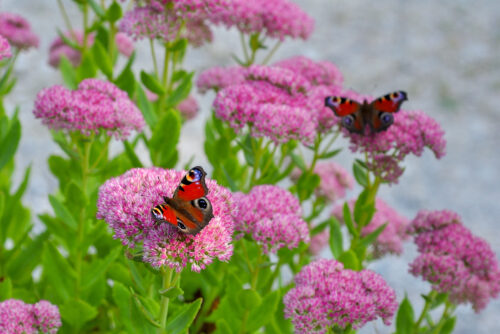
This attractive perennial is a real lifesaver for butterflies because it blooms late in the season when other food sources are starting to disappear. Its thick, fleshy leaves are built to store water, making it incredibly drought-tolerant. You’ll see star-shaped flower clusters up to four inches wide in shades of white, pink, or deep red. These hardy, low-maintenance plants are just as happy in full sun as they are in partial shade.
++Honeysuckle (Lonicera)
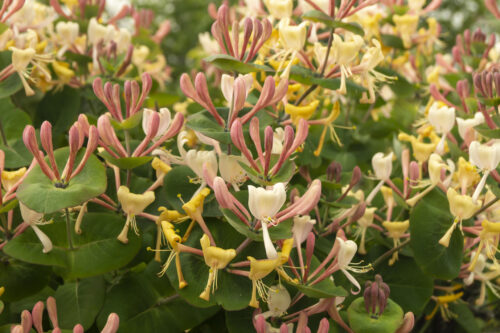
If you have some vertical space to fill, this climbing vine can reach heights of nearly 20 feet. From May to June, it produces uniquely shaped flowers with an intoxicating scent that acts like a magnet for butterflies and other pollinators. The blooms—which come in white, yellow, pink, or bicolor—pop beautifully against the dark green foliage. Night-flying moths especially love the nectar. Just a heads-up: the bright coral berries that follow are pretty to look at but are toxic, so keep an eye on pets and kids.
++Common Evening Primrose (Oenothera biennis)
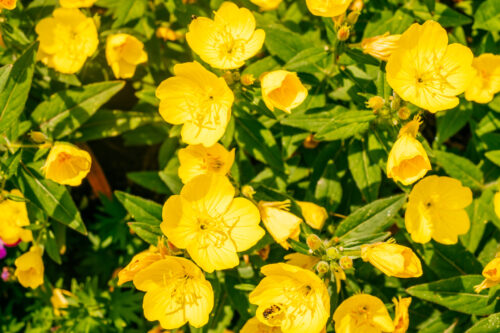
This plant is a bit of a slow burner. In its first year, it stays low to the ground as a leafy rosette. In the second year, it shoots up slightly fuzzy stems that can reach over six feet tall! The bright yellow, funnel-shaped flowers wait until dusk to open, releasing a delicate scent that attracts various moths for a nighttime pollination party. Each individual flower stays open until the following evening, giving daytime visitors a chance to snack, too.
++Garden Phlox (Phlox paniculata)
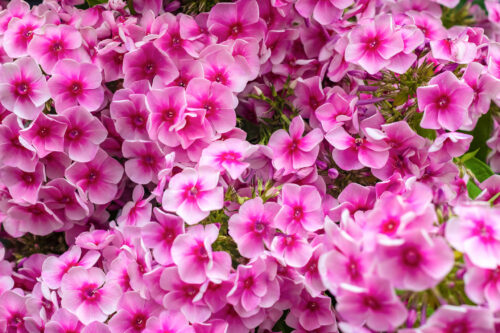
A classic staple of the American cottage garden, Phlox features deep, tubular flowers that are perfect for butterflies with long proboscises. They smell wonderful and come in hundreds of varieties today—ranging from pure white and soft pink to vibrant purples and reds. They’re a reliable favorite for anyone looking to add both color and fragrance to their backyard.
++’Butterfly’ Panicle Hydrangea (Hydrangea paniculata)
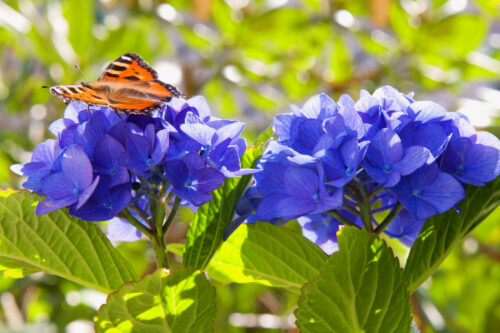
Hydrangeas are always a showstopper, but the ‘Butterfly’ variety is specifically loved for its sweet, honey-like fragrance. Unlike some hydrangeas with tightly packed petals, this one has open lacecap-style flowers that make it easy for butterflies to reach the nectar from June through August. If it’s happy in its spot, this shrub can grow up to six feet tall, making it a beautiful choice for a flowering privacy screen.
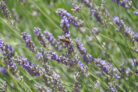
++English Lavender (Lavandula angustifolia)
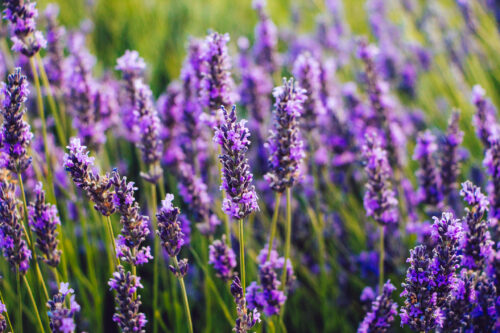
Lavender is a superstar in the pollinator world. It’s not just butterflies that love it; you’ll see bees and hoverflies buzzing around the aromatic purple spikes all summer long. This Mediterranean native loves heat and well-drained soil. Growing between two and three feet tall, it makes a fantastic fragrant border for walkways or garden beds.
++Thyme (Thymus vulgaris)
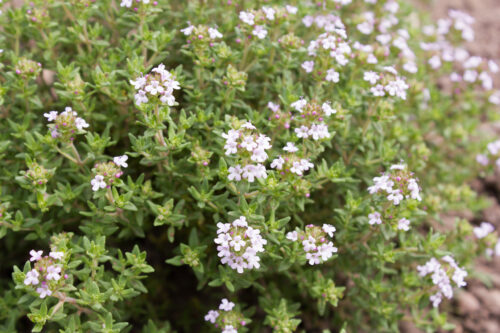
Don’t overlook the herb garden! Thyme is actually a major nectar source for many butterfly species. These low-growing plants (usually 4 to 15 inches tall) produce tiny pink to purple flowers from late spring all the way into autumn. If you give it a sunny, warm spot, it will spread out and create a dense, fragrant carpet that butterflies find irresistible.
%%The Secret Tip: Stinging Nettle (Urtica dioica)
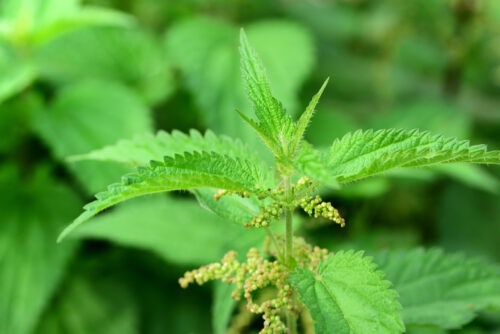
It might sound crazy to leave a “weed” in your garden, but Stinging Nettle is the ultimate secret weapon for butterfly lovers. It provides a home for around 50 different species, including Red Admirals and Painted Ladies. Many butterflies *only* lay their eggs on nettles, and the caterpillars rely on the leaves for food. Plus, as a gardener, you can use nettles to make a great organic fertilizer tea. To keep things tidy and ensure a fresh food supply for the next generation of butterflies, feel free to cut back a portion of the plants mid-season—they’ll grow right back!