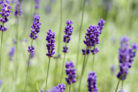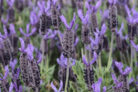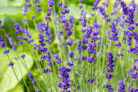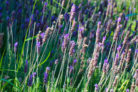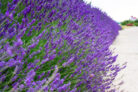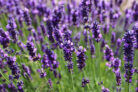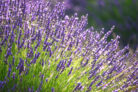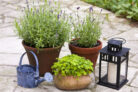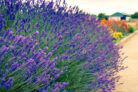
Lavender is famous for those gorgeous purple blooms and that unmistakable, relaxing scent. One of the best things about this plant is how tough it is—it can actually thrive in pretty poor soil! However, if you want your lavender to really pop, you’ve got to pick a spot that meets its specific needs. Here’s a quick rundown on what makes lavender so special and what it looks like in the garden.
Lavender Names and Origins
There are quite a few varieties of lavender out there. English Lavender is definitely the crowd favorite here and across Europe, but there are actually hardy types that can handle high altitudes, too.
- Botanical name: Lavandula angustifolia
- Origin: The sunny Mediterranean
- Family: Lamiaceae (the mint family)
- Range: Grown all over the world, except for places with permanent, year-round freezing temperatures
How Lavender Grows
Lavender grows into a beautiful, mounded shrub that serves as the perfect base for its flowers. Because it’s so hardy and low-maintenance, you’ll see it in home gardens and as part of city landscaping. It’s also a fantastic choice for a gravel garden.
- Growth habit: Small shrub or bush
- Size: Can reach up to 40 inches (100cm) tall
- Leaves: Narrow, lance-shaped, gray-green leaves about 2 inches long
- Lifespan: Perennial (it comes back year after year!)
The Famous Blooms
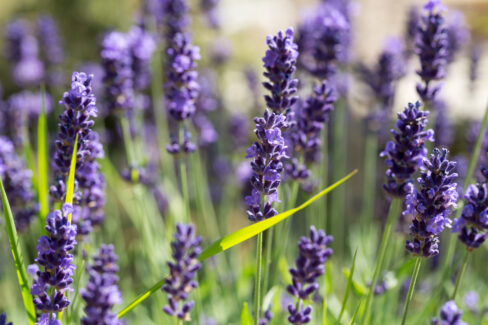
Let’s be honest: most of us plant lavender for those stunning flowers. Not only do they add a lovely pop of color to your yard, but they also smell incredible. Plus, you can harvest and dry them for later!
- Colors: Shades of purple and violet
- Shape: Spiky, ear-shaped clusters
- Bloom time: Varies by type, usually between May and September
- Fruit: Small nutlets form at the base of the flower after blooming
The Perfect Spot for Your Lavender
Lavender is a bit of a “tough love” plant. It thrives in poor locations where other plants might struggle. What it can’t stand is “wet feet” (standing water) or too much shade. If you don’t get the location right, lavender can get a little dramatic, so keep these needs in mind:
- Full sun (the more, the better!)
- Sandy, well-draining soil
- Dry conditions
- Low-nutrient soil (no need for heavy fertilizers here)
Fun Ways to Use Your Lavender
Once your lavender is established, you’ll likely have plenty of flowers to go around. There are so many ways to use them! Harvesting the blooms actually helps the plant stay healthy and promotes better growth for next season. Here are a few ideas for your harvest:
- Fill small sachets for a natural drawer freshener
- Use it as a savory herb for roasting
- Make lavender sugar to elevate your desserts
- Brew a calming cup of lavender tea