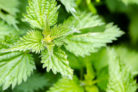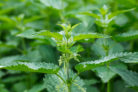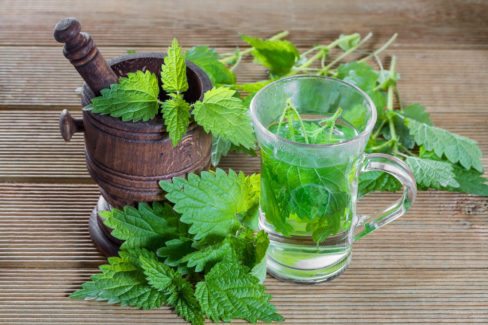
Most of us have a pretty painful childhood memory involving a run-in with a stinging nettle. Unfortunately, because of that first “ouch” moment, many gardeners never give this wild plant a second look. But if you can get past the sting, you’ll find that the nettle is actually a powerhouse in the garden and the kitchen!
Nettle Fast Facts
- Family: Urticaceae (Nettle family)
- Native Range: Found almost everywhere worldwide
- Natural Habitat: Meadows, forest edges, and along riverbanks
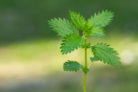
- Height: Depending on the variety, they can grow anywhere from 1 foot to nearly 10 feet tall.
- Bloom Time: Generally April through October (the Common Nettle usually blooms July to October)
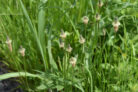
- Flowers: Panicle-shaped, brownish-yellow
- Seeds: Usually ripen around September or October
- Soil: They love nutrient-dense, nitrogen-rich soil that stays moist and loamy
- Sun: Full sun to partial shade
In most backyard gardens, nettles are treated as a pesky weed. Since they spread like wildfire through both self-seeding and a creeping root system, they can take over a flower bed before you know it.
Common Nettle Varieties
In the wild, you’ll mostly run into these varieties:
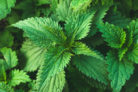
- Common Nettle (Stinging Nettle): The one we all know and “love.”
- Small Nettle: A shorter, often more potent version.
- Fen Nettle: Mostly found in specific wetlands.
- Roman Nettle: A rarer variety with distinct globe-shaped seed clusters.
In the Kitchen and the Medicine Cabinet
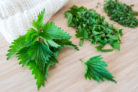
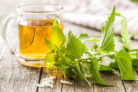
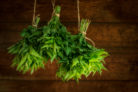
Believe it or not, nettles are delicious! They have a flavor and texture very similar to spinach. They’re fantastic in soups, stews, or even blended into green smoothies. And don’t worry—once you cook, wilt, or puree them, those stinging hairs are completely neutralized and safe to eat.
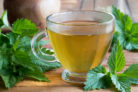
Beyond the dinner plate, the nettle is a heavy hitter in the world of herbal medicine. Most people dry the leaves to make a nourishing tea. It’s a classic go-to for helping with:
- Rheumatism
- Urinary tract infections
- Joint pain and inflammation
Natural Fertilizer and Pest Control
If you’re an organic gardener, nettles are your best friend. You can ferment them into a “tea” or liquid fertilizer. Once diluted, this stuff is liquid gold for “heavy feeders” like tomatoes, cucumbers, and zucchini because it’s so rich in nitrogen.
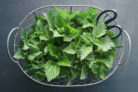
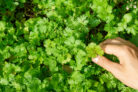
Plus, if you put that diluted mixture into a spray bottle, it works as a fantastic natural remedy to get rid of aphids without using harsh chemicals. Just remember to wear gloves when you’re harvesting!