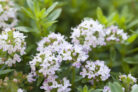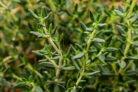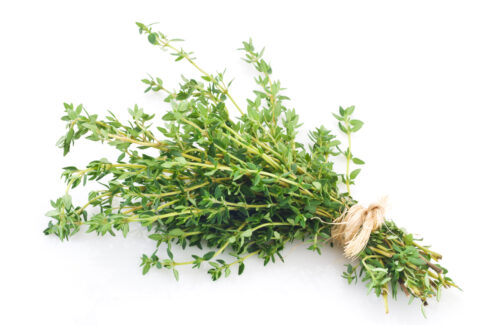
Check out our quick guide to get the lowdown on one of the most popular kitchen herbs: thyme. We’re covering everything you need to know to grow a thriving herb garden, including:
- Origins
- Planting tips
- Propagation methods
- Care and maintenance
- Best uses
Where does thyme come from?
Even back in the days of Ancient Greece and the Roman Empire, hardy thyme was prized as both a savory spice and a natural remedy. It eventually made its way across Europe and has been a staple in herb gardens for centuries. Thyme originally hails from the sunny Mediterranean, where you can still find it growing wild across the rocky hillsides today.
How do you plant thyme?
Since it’s a Mediterranean native, thyme craves a sunny spot with lean soil. To keep your plants happy, make sure the ground is:
- Well-draining
- Sandy
- Low in nutrients
- On the drier side
- Non-acidic (neutral to alkaline)
The best time for planting is in the spring. Give your thyme some breathing room—at least 10 inches (25 cm) away from its neighbors. Pro tip: Loosen the soil deeply and mix in a generous amount of sand to improve drainage. Just keep in mind that thyme doesn’t get along with everyone; try not to plant it right next to marjoram, peppermint, or basil.
Can you propagate thyme?
Thyme is a bit of a free spirit and will often self-seed on its own. Groundcover varieties, in particular, are great at spreading into a lush, dense carpet. If you want to take the reins, you can easily propagate it yourself using these methods:
- Dividing an established plant into smaller sections
- Layering (pinning a stem to the ground until it roots)
- Sowing seeds
- Taking cuttings
What kind of care does thyme need?
If you want your thyme to return year after year, it needs a little TLC. Thyme grown in pots usually needs a bit more attention than plants in the ground. Here’s your maintenance checklist:
- Fertilize sparingly
- Water only during long dry spells
- Give it an annual pruning to prevent it from getting too woody
- Provide some winter protection in colder climates
How do you use thyme?
With its bold, earthy aroma, thyme is a powerhouse in the kitchen. It’s strong enough to stand on its own as a primary seasoning, but it also plays well with other herbs. Don’t forget that the flowers are edible, too—they make a beautiful garnish! If you have a bumper crop, thyme is also incredibly easy to preserve by drying or freezing.