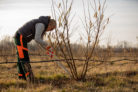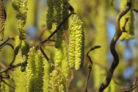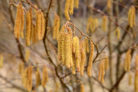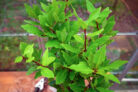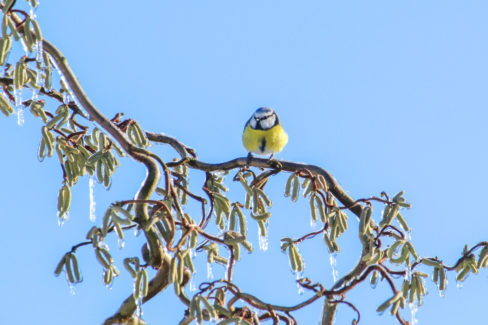
The Harry Lauder’s Walking Stick (or Corkscrew Hazel) isn’t actually a man-made hybrid; it’s a cool natural mutation first discovered in England around 1900. Since then, it’s become a staple in parks and backyard gardens everywhere. The best part? You don’t need a huge yard to enjoy one—they actually do great in containers!
Go Big with Your Pot
If you’re planning to grow a Corkscrew Hazel in a pot, the most important thing is size. These plants are “heart-rooters,” meaning their roots like to spread out both wide and deep. You’ll want a container that holds at least 8 gallons (about 30 liters) to give it enough elbow room. Drainage is also a huge deal—this plant hates “wet feet” (standing water). Make sure your pot has a drainage hole, and I highly recommend adding a drainage layer at the bottom. You can use:
- Pebbles or gravel
- Broken terracotta shards
- Expanded clay pebbles (hydroton)
Location and Soil Prep
To keep your Corkscrew Hazel happy, you need to find the perfect spot. They love soaking up the sun, so pick a sunny location that’s also protected from harsh winds. When it comes to the soil, don’t just grab the cheapest bag you find. Use a high-quality potting mix and blend in some mature compost and a bit of sand. This ensures the plant gets plenty of nutrients while keeping the soil nice and airy so water can drain through easily.
Caring for Your Potted Hazel
When it comes to maintenance, watering is the name of the game. Consistency is key here—it’s better to water regularly than to drench it all at once after it’s already dried out. During the growing season (March through August), give it a boost with liquid fertilizer about every two weeks. If you’re more of a “set it and forget it” gardener, you can use a slow-release fertilizer in March and again in June.
Don’t forget about winter! To keep your plant safe from the chill, move the pot close to the house wall in late fall. Wrap the container in bubble wrap or garden fleece, and set it on a piece of wood or Styrofoam to insulate it from the freezing ground.