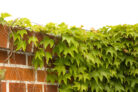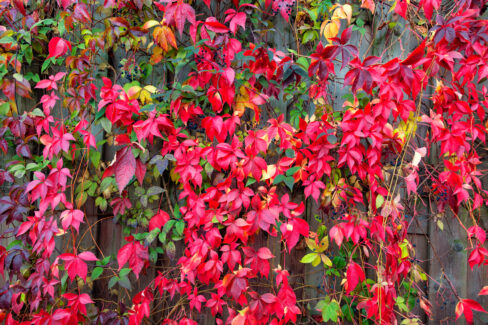
Think Virginia Creeper is just for sprawling garden walls or backyard pergolas? Think again! You can actually grow this stunning vine (also known as Parthenocissus) right in a pot or planter. It’s a total game-changer for small spaces, but there are a few tricks to keeping it happy and healthy in a container.
Growing Virginia Creeper in Pots
If you don’t have a big backyard, don’t sweat it. Growing Virginia Creeper in a container is super versatile. It’s a fantastic way to add some lush greenery to:
- Patios and balconies
- Front entryways for a welcoming look
- Sunrooms or temperate conservatories
- Even your living room as an indoor plant!
Choosing the Right Planter
Size definitely matters here. When you’re picking out a pot, aim for something about 1.5 to 2 times larger than the current root ball. You want to give those roots plenty of “elbow room” to stretch out and grow.
Virginia Creeper loves soil that’s airy and packed with nutrients. I recommend mixing standard potting soil with a bit of peat, compost, or horn meal. One big “no-no” is soggy feet—this plant hates standing water. To ensure good drainage, layer the bottom of your pot with gravel or clay pebbles before adding your soil. Pro tip: Prop your pot up on some small wooden blocks or “pot feet” so water can flow freely out of the drainage holes.
Caring for Your Potted Vine
Container plants need a little more TLC than their cousins in the ground. First, find a spot that’s warm and gets plenty of sunlight. You’ll also need to be more diligent about watering.
Since the roots are confined to a pot, they can’t go hunting for nutrients in the ground, so fertilizing is key. You can use a liquid fertilizer, slow-release granules, or go the organic route with some fresh compost to keep it thriving.
Winter Protection
While Virginia Creeper is generally pretty hardy, potted versions are more vulnerable. Because there’s less soil to insulate them, the root ball can freeze solid in the winter, which is bad news for the plant. When the temperatures start to drop, give your pot some extra protection. Wrapping it in burlap or specialized garden fleece will help keep those roots safe until spring.