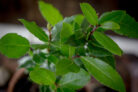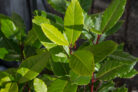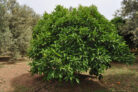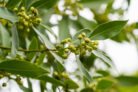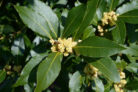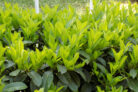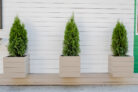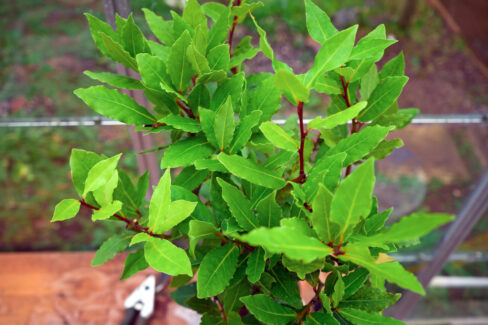
Bay laurel isn’t just for garden hedges! It actually does incredibly well in pots and containers. Growing it this way makes it super easy to move indoors for the winter or prune into those beautiful, formal shapes. Here’s why you should consider container-grown laurel and a few tips to keep yours thriving.
The Perks of Growing Laurel in Containers
When you plant your laurel in a pot, you get total flexibility. These plants aren’t just for the backyard; their lush, glossy leaves bring a perfect Mediterranean vibe to a sunny balcony or your favorite patio lounging spot. Plus, if you’re growing culinary Bay Laurel for harvesting, having it in a pot means fresh herbs are always just a few steps away from your kitchen.
Quick Tips for Harvesting Potted Laurel:
- Only harvest “True” Bay Laurel (Laurus nobilis)—skip the Cherry Laurel, as it’s toxic!
- Wait until the plant is at least a year old before you start picking.
- Snip or pluck the entire leaf cleanly.
- For the best flavor, let the leaves dry for a week or two before cooking with them.
One of the biggest bonuses? No stressful transplanting. If you decide to rearrange your patio, you can just slide the pot over rather than digging up roots and hoping for the best. It’s a huge time-saver. And when those freezing winter temps roll in, you can easily wheel the pot into the garage or house. Come springtime, it’ll be ready for a quick trim to get it back into shape.
How to Care for Your Potted Laurel
Keep an eye on those roots! If the root ball starts getting too cramped, it’s time to repot your laurel into a larger container. Check the size every so often to make sure it has plenty of room to grow.
Remember, True Bay Laurel isn’t a fan of hard freezes. Before the deep winter chill sets in, move your container to a cool, sheltered room or take the proper steps to winterize it. If you have to leave it outside, try wrapping the pot in garden fleece or burlap to provide some much-needed insulation against the frost.