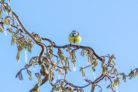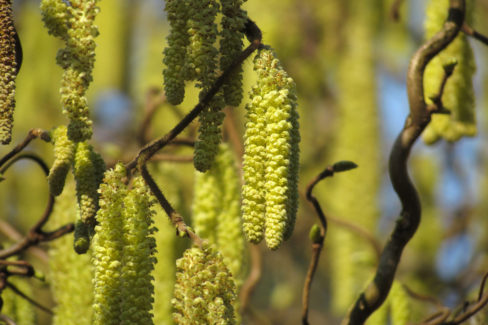
Just like most other trees, the Harry Lauder’s Walking Stick (or Corkscrew Hazel) is a long-term commitment. These beauties are incredibly long-lived, so you’ll want to be extra thoughtful when picking out their “forever home” in your garden.
Find a Sunny Spot
To really thrive, your Corkscrew Hazel needs plenty of light and warmth. When you’re scouting out a location, aim for the sunniest spot you can find. These trees also prefer a bit of shelter from harsh winds. That said, a little gentle airflow is actually a good thing—it helps the leaves dry off quickly after a rain shower, which keeps the plant healthy.
Rich, Well-Draining Soil
If you want your tree to really show off those twisted branches, it’s going to need plenty of nutrients. Before you get started with planting (or transplanting), it’s a great idea to prep the soil. Mixing in some well-aged compost is the perfect way to give it a boost.
One thing to keep in mind: Corkscrew Hazels are definitely not fans of “wet feet.” They can develop root rot pretty quickly if they’re sitting in standing water. To keep the soil well-draining, try mixing in some sand along with your compost. Your tree will thank you!
Caring for Potted Trees
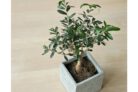
If you’re growing your Harry Lauder’s Walking Stick in a container on your patio or balcony, the lighting rules stay the same—keep it sunny! However, since the roots are more exposed to the cold when they’re in a pot, you’ll need to take a few extra steps to tuck them in for the winter. Here’s what I recommend doing once autumn rolls around:
- Move the pot close to the house wall to protect it from wind and heavy rain.
- Elevate the pot by placing it on a piece of wood or styrofoam to insulate it from the freezing ground.
- Wrap the container in garden fleece or burlap to keep those roots cozy.