For any home gardener, nothing beats the feeling of harvesting your own crops. Whether you’re growing on a sunny balcony or in a backyard patch, herbs, fruits, and veggies always taste better when they’re homegrown. Trust me, you won’t find anything this fresh at the local organic market!
Harvesting the Seeds
Coriander seeds are a classic spice, perfect for everything from homemade bread to your favorite Asian-inspired dishes. Around mid-June, your coriander will start showing off pretty white umbrella-shaped flowers. By August or September, those flowers turn into seeds. You’ll want to pick them when they turn a light brown color. After picking, let them finish ripening and drying in the sun. Don’t wait too long, though—once they get too dark, they tend to drop off the plant and disappear into the soil! If you want to sow them again next year, just keep them in a sealed paper bag in a dry spot.
- Seeds typically form between August and September.
- Harvest when light brown and let them finish ripening in the sun.
- Make sure they are completely dry before storing.
- Save some seeds in a paper bag for next year’s planting.
- Don’t wait until they are dark brown, or they’ll pop open and fall to the ground.
Harvesting Leaves and Stems
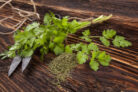
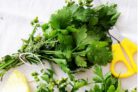
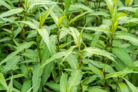
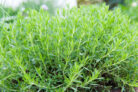
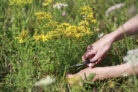
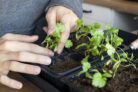
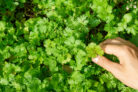
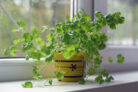
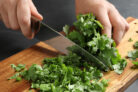
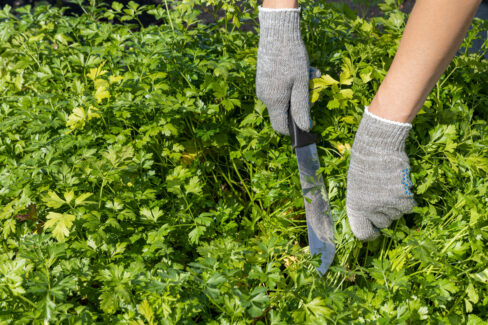
If you love cilantro (the leafy side of the coriander plant!), you know how great it is in soups, salads, fish, or meat dishes. You can start harvesting those tender young leaves as early as June. I recommend using herb snips to cut from the top down, or you can take the whole stem. Regular harvesting actually helps delay flowering, which keeps the leaves tasting great for longer. Once the plant starts blooming, the leaves can get a bit bitter and harsh, so try to get your harvest in before then. If you have a bumper crop, you can freeze or dry the leaves to keep them fresh for later use.