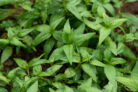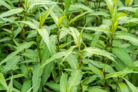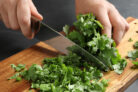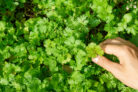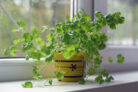
Cilantro is becoming a real superstar in home herb gardens lately. If you’re a fan of that fresh, bold flavor, there’s nothing quite like growing it yourself in your backyard or in a pot on the balcony. And hey, if you’re one of those people who thinks “real” cilantro tastes like soap, you might want to give Vietnamese cilantro a try. They actually belong to different plant families and have totally different flavor profiles!
Harvesting Your Cilantro
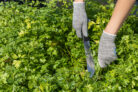
You can start harvesting those tender young leaves as early as June. My best tip? Harvest often! Regularly clipping the leaves actually delays the plant from flowering, which means you get to enjoy your herb harvest for much longer. Once the plant starts blooming, the leaves tend to get bitter and harsh, so you’ll want to get your fill before then.
How to Prune Cilantro the Right Way
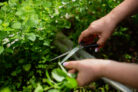
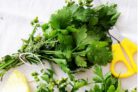
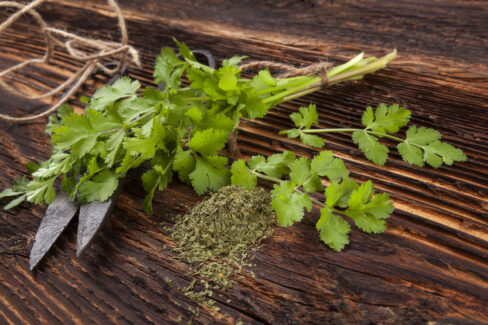
If you just need a few leaves for a garnish, use a pair of herb snips to clip from the top down. If you need a whole bunch, cut the entire stem as close to the soil as possible. Keep an eye out for any flower buds starting to form—snip those off immediately to keep the plant focused on leaf production. Also, always make sure your shears are clean; it’s the best way to prevent fungi or other garden diseases from hitching a ride onto your plants.
Harvesting the Seeds (Coriander)
The leaves are great, but don’t forget about the seeds! Known as coriander, they’re a fantastic spice for all sorts of recipes. Plus, you’ll need those seeds if you want to propagate and grow a fresh batch next year. To harvest them, wait until right after the flowers fade and the seed heads turn a light brown. You want to cut the whole seed head off before they pop open and scatter seeds all over your garden bed!
Once you’ve gathered them, it’s crucial to let them dry out completely. You can spread them out flat on some paper towels or newspaper, or my personal favorite: tie the stems together and hang them upside down inside a paper bag or cloth sack to catch the seeds as they dry.