Nasturtiums are a total garden superfood! Not only do they taste amazing with that signature peppery kick, but they’re also packed with health benefits. It’s no surprise that so many home gardeners want to find ways to keep that harvest going long after the first frost. If you’re wondering how to save your nasturtiums for later, I’ve got you covered.
Ways to Preserve Your Harvest
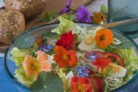
Of course, nasturtiums are fantastic when eaten fresh. The flowers and leaves are perfect for leveling up your favorite cold dishes. But if you have a bumper crop, there are three main ways to preserve them:
- Pickling in vinegar or infusing in oil
- Thoroughly drying them
- Freezing for later use
I’ll walk you through each of these methods below. Spoiler alert: they’re all incredibly easy!
Pickling and Infusing
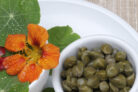
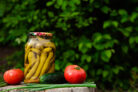
Did you know you can make “poor man’s capers”? Just take your unopened flower buds or green, unripe seeds and simmer them in a brine of water, salt, and vinegar. Pour the hot liquid and seeds into canning jars, seal them up, and you’ve got a savory treat that lasts for months. Don’t let the nickname fool you—these pickled seeds hold their own against “real” capers any day!
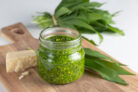
You can also preserve the vibrant flowers in vinegar or oil. Grab a wide-mouthed bottle and fill it up with your choice of liquid. The most important tip here: make sure the flowers are completely submerged to prevent any mold from growing. If you’re making floral vinegar, let it sit in a dark spot for about four weeks, giving it a little shake every day. If you’re making herb oil, give it a daily shake too, but let this one sit in a bright, sunny spot instead.
Drying
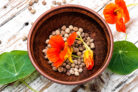
Once the season winds down, you can collect the mature nasturtium seeds and let them dry out at room temperature. If you store them in a cool, dark place, these seeds will stay good for up to three years! You can grind them up to season your meals, pickle them later, or—my favorite part—save them for planting a brand-new batch of flowers next spring.
Freezing
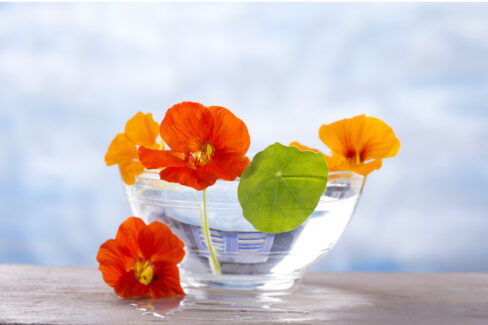
Freezing is a great way to keep leaves and flowers handy for seasoning dishes later on. I recommend chopping the leaves first, but the flowers look best if you keep them whole. Here’s a pro tip: place them into an ice cube tray and fill the slots with water. Once they’re frozen solid, pop the cubes into a freezer bag. This way, you have perfectly portioned nasturtium “flavor bombs” ready whenever you need them!
<img class=”lazy-skip” src=”https://vg09.met.vgwort.de/na/c26a94c0e279493085c52d4ff1cb10ee” width=”1″ height=”1″ alt=””>