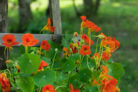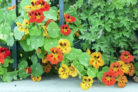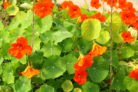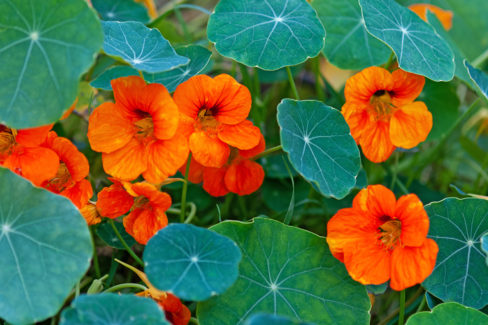
Nasturtiums are absolute rockstars in the garden. It’s no wonder so many people want to grow them in their flower beds or in balcony containers. The best part? Growing nasturtiums is way easier than you might think. Here’s everything you need to know to get started.
Checklist: The Essentials
There aren’t many ways to mess up growing nasturtiums. As long as you keep a few key things in mind, you’ll be rewarded with a gorgeous sea of blooms. Keep an eye on these four factors:
- Timing (when to plant)
- Sowing technique
- The perfect location
- Proper maintenance
Starting Seeds and Sowing
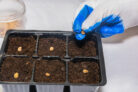
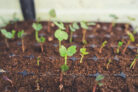
You can start sowing your seeds directly outdoors in mid-May. By then, the risk of overnight frost should be gone. Simply tuck one or two seeds into the soil and keep them consistently moist. You should see the first seedlings popping up in about 10 to 20 days. Since nasturtiums are summer bloomers, you can get a head start by starting seeds indoors on a sunny windowsill as early as March.
Location
Nasturtiums love a spot with full sun to partial shade. If you tuck them away in a dark, shady corner, they won’t die, but they won’t produce those iconic, beautiful flowers either. Keep an eye on the weather, too—on those scorching hot summer days, your plants might appreciate a little extra shade to keep from wilting.
Care and Maintenance
To keep your nasturtiums happy, they need a steady supply of water. A good rule of thumb is to water whenever the top layer of soil feels dry. It’s also a great idea to gently loosen the soil around the base of the plant every now and then. This prevents the ground from getting too compacted, ensuring the water actually reaches the roots. Just be careful not to overwater—they definitely don’t like “wet feet” (standing water).
When it comes to feeding, less is more. Nasturtiums actually thrive in poorer soil. If the ground is too nutrient-rich, the plant will put all its energy into growing leaves and forget to grow flowers. To keep that beautiful floral display, go easy on the fertilizer. In the garden, a bit of compost in the spring is plenty. If you’re growing them in a pot on the balcony, a light feeding once a month is more than enough.
The Bottom Line: It’s a Breeze
If you’ve already got a green thumb, growing nasturtiums will be a walk in the park. And if you’re a total beginner, these tips are all you need to succeed. One thing is for sure: with very little effort, you can add a versatile, stunning all-rounder to your garden.