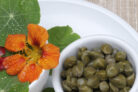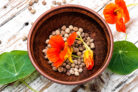
Nasturtiums aren’t just eye candy for your garden; they’re actually a total treat for your taste buds, too! With their signature peppery kick, they can level up almost any dish. And the best part? If you dry them, you can enjoy that zesty flavor all year round.
Which parts of the plant can you dry?
Technically, you can dry every part of the nasturtium plant. However, whether drying is the *best* move depends on how you plan to use them later. Keep in mind that dried nasturtiums aren’t great for eating raw, but they work like a charm as a dried herb to spice up cooked meals.
How to get it done
First things first: separate your seeds, leaves, and flowers. Since they all have different textures, they need slightly different drying times and temperatures. This is especially important if you’re using your oven. You’ll want to keep the heat low—around 95-100°F (35-40°C) is plenty. Once they’re crisp, pop them into an airtight jar. Stored in a cool, dark spot, your nasturtiums will stay flavorful for several months.
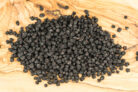
The seeds are the easiest part to handle. Just spread them out on a sunny windowsill, and they should be bone-dry within a few days. If stored correctly, these seeds can last up to three years! You can grind them up as a spice or save them to start a new round of planting in your garden next spring.
Other ways to save your harvest
Drying isn’t the only way to keep the nasturtium goodness going. Depending on your kitchen goals, one of these other methods might actually be a better fit. Here’s a quick rundown of how else you can preserve them:
While frozen nasturtiums are best for seasoning hot dishes, flower-infused oils and vinegars are absolute game-changers for cold dishes like salads.
The Bottom Line: Plenty of Options
Whether you decide to pickle, freeze, or dry your nasturtiums, all three methods are super simple and effective. Just pick the one that matches how you like to cook! It’s the perfect way to bring a little taste of summer into your kitchen, even in the middle of winter.