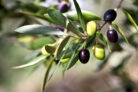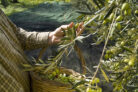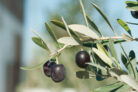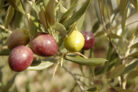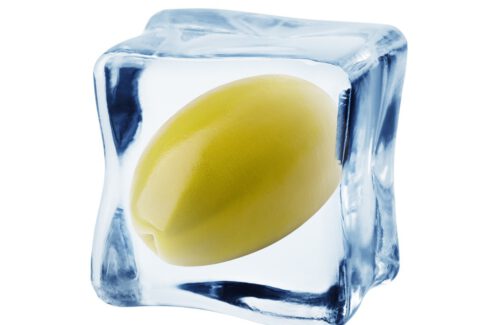
If you’re lucky enough to have an olive tree in your yard, a sunny year can leave you with a massive harvest. Once you’ve realized you can’t possibly eat them all at once, you’re probably wondering how to save them for later. For most garden veggies, the freezer is our best friend—but when it comes to olives, things get a little tricky.
Olives and the Big Chill
Whether you’ve just picked them fresh from the branch or they’re already cured, olives don’t handle the freezer very well. The issue isn’t really the freezing itself, but what happens when they thaw out. Unfortunately, there’s no way around it: frozen olives turn mushy and tough. Because the freezing process breaks down the fruit’s structure, they lose that signature “snap” and juicy texture we all love.
Better Ways to Preserve Your Harvest
Since freezing is off the table, we need a better plan to keep those olives fresh. First things first: you can’t actually eat olives straight off the tree. Raw olives are incredibly bitter (thanks to a compound called oleuropein), so you have to process them regardless of how you plan to store them. To get rid of that bitterness, you’ll need to soak them in water or, even better, a salty brine.
The Oil Method
Once you’ve finished the debittering process, it’s time to actually preserve them. Here is the best way to do it:
- If you used a heavy brine to debitter your olives, you’ll want to soak them in fresh water for a few days first to rinse out the excess salt.
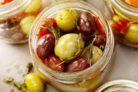
- Next, pack your olives into clean, airtight glass jars.
- Fill the jars to the top with oil. You can use a high-quality olive oil or a neutral sunflower oil—it’s totally up to your taste buds!
- Seal the jars tightly and store them in a cool, dark place. This keeps the oil from going rancid and ensures your olives stay delicious for a long time.