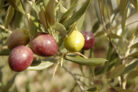
Ever wonder why some olives are green and others are deep purple or black? In many plant families, different colors mean you’re looking at different subspecies. But with olives, it’s a whole different story. The color actually tells you how ripe the fruit is—or, in some cases, it’s a little trick played by producers to make you think you’re getting a premium product.
Black olives just spent more time on the tree
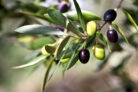
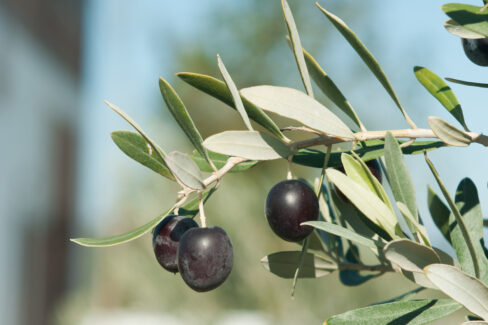
Here’s the deal: green olives are actually unripe. As they stay on the branch, they gradually darken, turning a bluish-purple hue that looks a lot like an eggplant. Once they reach that dark stage, they’re fully ripe. Because they’ve had more time to develop, they contain significantly more oil than their green cousins. This also means they pack a bigger punch when it comes to calories—while 100 grams of green olives sit at about 140 calories, the same amount of black olives jumps up to around 350 calories.
It all comes down to economics
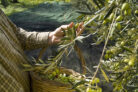
Most folks prefer black olives because they have a milder, richer flavor and are packed with healthy nutrients. However, authentic black olives usually come with a higher price tag. Why? It mostly comes down to the harvesting process. Green olives are firm enough to be shaken off the tree and gathered up, but ripe black olives are delicate. They have to be hand-picked one by one; otherwise, they’ll bruise and spoil the moment they hit the ground.
The “fake” black olive trend
Another downside for producers is that naturally ripe black olives don’t stay fresh as long as green ones, even when pickled. To save money and time, many manufacturers take green olives and dye them black. Since olives have to be soaked in water or brine anyway to remove their natural bitterness, adding a darkening agent doesn’t really require an extra step.
So, how can you spot a “fake” black olive? Look for perfect uniformity. Naturally ripened olives will always have slight variations in shade and color. Also, check the pit: a real black olive will have a dark pit, while a dyed one will still have a light-colored pit inside.
To wrap it up, here’s what you need to remember about black olives:
- They aren’t a different species; they’re just older.
- The dark color happens naturally during the ripening process.
- Many producers artificially dye green olives to sell them as “black” olives.