Prickling out carrots is a bit of a challenge because those tiny roots are incredibly delicate. If they get damaged or aren’t replanted just right, you’ll end up with some pretty funky-looking, deformed carrots later on. To get it right, you’ll need the proper tools and a gentle touch.
The Right Tools
If you’re going to thin out your carrots, having the right gear is a game-changer. First on the list is a dibber (or prickling stick). You’ll want one that’s at least 7 inches (18 cm) long. Why so long? Well, even young carrots have surprisingly deep roots, and you need to make sure those roots stay perfectly straight when they go back into the ground.
Besides the dibber, you’ll need something to lift the seedlings out of the soil. A regular old kitchen fork works just fine, or you can pick up a specialized transplanting fork. You can usually find dibbers and forks sold together as a set at most garden centers.
Thinning Out Your Carrots
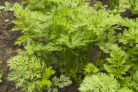
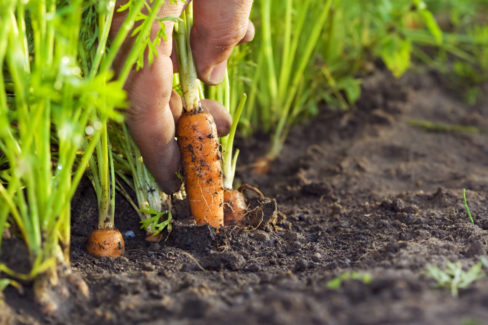
Ideally, you want to avoid transplanting carrots whenever possible. Most of us plant seeds a little closer together during carrot sowing just in case some don’t sprout. But if you get lucky and every seed pops up, you’re going to have to thin them out so they have room to breathe.
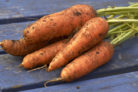
As soon as your carrots develop their first “true” leaves (the ones that appear after the initial seed leaves), use your fork to gently lift the crowded plants out of the dirt. Be extra careful not to snap those roots! If you don’t want to deal with replanting, another option is to harvest your carrots early as baby veggies. This naturally clears out space for the remaining carrots to grow big and strong.
Replanting Your Carrots
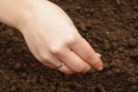
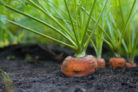
If you do decide to replant the seedlings you lifted, get them back into the ground immediately. Make sure the planting hole is at least as deep as the root is long. Whatever you do, don’t trim the roots! While that works for some other veggies, trimming a carrot root is a one-way ticket to a deformed harvest.
Once they’re in, press the soil down firmly and give them a good drink of water. Keep the soil consistently moist until the plants have settled into their new home. You can also toss a bit of garden fleece over them to help keep the moisture in the ground.
Just a heads-up: carrots that have been moved usually take a few weeks longer to reach maturity. That’s just one more reason why it’s best to only prick them out if you absolutely have to!